Global discussions for local solutions – Integrative Forest Management across the world

Article written by Rahel Könen and Louisa Bouri-Saouter

To strengthen international scientific exchange on the topic of Integrative Forest Management, the TRANSFORMIT project recently organized a ‘Global Scoping Workshop’ that brought together 35 participants from Australia and Asia, Europe and Africa, and the Americas. The overall objective was to support the conceptualization, co-creation and writing process around how to consolidate biodiversity conservation and wood production in managed forests across the globe. 

The hybrid workshop was hosted by Wageningen University’s Forest and Nature Conservation Policy Group with the aim to translate the outcome of the discussions into a co-authored paper that will present the current state of the art, convergences and differences on the topic of Integrative Forest Management (IFM). 

Visual harvesting by Visuality

Widening the research scope on integrative approaches, practices and drivers 

A major aim of the gathering was to clarify the diversity of practices in the field of forest management and biodiversity conservation, as well as how various scholars from across the world conceptualize the main drivers of integrative approaches across the world. 

Such international exchange helps expand on research insights from the book chapter ‘Driving factors for integrated forest management in Europe’ in How to balance forestry and biodiversity conservation: A view across Europe (2020), where co-authors Agata Konczal, Jakob Derks (Wageningen University) and Johannes H.C. de Koning (University of Copenhagen) investigated how and why nature conservation is being integrated into forest management practices across different European forest units and enterprises. By mapping current and future social, economic, political, technological and ecological drivers across 9 European case studies they came across various regional differences around what facilitates or hinders the application of IFM.  

By opening space for academic exchange between scholars from various regions of the world, the Global Scoping Workshop was an attempt to widen the scope – and as such, introducing more complexity and diverse perspectives into the study of IFM-related drivers. 

Interactive discussion sessions on regional and conceptual difference 

The workshop day was marked by 3 main interactive sessions and discussions, each centred on regions of the world. The first session focused on Asia & Australia, the second on Europe & Africa, and the third zoomed-in on the Americas. Within each session, the aim was to keep in mind important themes – including the overall concept of biodiversity, of scales (meaning the different levels at which we look at forests, from individual trees to forest stands to entire landscapes), the many different factors that influence biodiversity, the unpredictability of climate effects, the political, economic and social uncertainties, and the important question of which kinds of knowledge and information we should rely on. 

The last hour was then dedicated to the mapping of key insights, core concepts and contrasting views, in addition to new research questions and insights that could inform the paper.

Integrating biodiversity into the global conservation agenda  

While the term biodiversity is widely used to shape the global conservation agenda, it became obvious that its definitions and concerns vary.  

Addressing biodiversity conservation globally involves a wide range of community priorities and ethical considerations. Consequently, Integrative Forest Management practices need to be adapted to local needs and informed by local knowledge. The workshop participants also discussed the relevance of biocultural diversity, a concept that acknowledges the co-evolution and interdependence of biological and cultural diversity, and its integration into conservation efforts. 

Defining biodiversity comes with defining the biodiversity of concern to protect. Therefore, the definition of “natural forest” varies.  In tropical regions, the goal is to preserve the full spectrum of biodiversity, whereas in the EU, conservation efforts involve trade-offs. The discussion also emphasized the importance of specifying the type of biodiversity to be conserved (e.g., functional, heritage, or evolutionary diversity). This  again took place in light of local perspectives, as this choice can determine Integrative Forest Management practices in the field. The importance of the types of biodiversity to target may differ spatially and temporally. 

Diverse management approaches are certainly essential to ensure the provision of varied habitats across different biomes and regions worldwide, as overly harmonized conservation and management strategies may pose significant risks to achieving targeted conservation results. This also relates to the challenge of measuring the success of conservation approaches. For example, during the session focused on Asia and Europe, participants highlighted a lack of knowledge about tree biodiversity, from genes to species, which makes monitoring efforts difficult for them. In this context, the group brought attention to the fact that biodiversity should be an important aspect of forestry education – and this way making foresters being biodiversity experts. More generally, participants suggested that we need proxies, or other indirect ways, to measure how using biomass affects biodiversity. 

Sustaining biodiversity under biomass utilization  

Another major part of the discussion focused on how to maintain the financial viability of forests while integrating biodiversity conservation. If defining biodiversity turned out to be a key challenge, identifying productivity trade-offs was another. Participants agreed on the need for accurate quantification of ecosystem services to support the integration of biodiversity into economic valuation.  

The group also addressed the land sparing-land sharing debate in forest management, through the lens of EU, tropical, and Asian approaches. The choice between these approaches depends on context, scale, and governance structures. It also depends on the aspects of biodiversity that are deemed worthy and needed to conserve. While land sparing is more feasible at the state level and beneficial for rare species, land sharing is more practical in fragmented ownership systems and can maintain productive forests with some biodiversity. 

However, participants cautioned against a strict binary view. Instead, they suggested a more flexible framework such as a continuum of approaches based on scientific evidence and local conditions. They also emphasized a triad approach combining strict conservation, intensive forestry, and mixed-use areas as an interesting alternative. 

The discussion also highlighted a lack of scientific knowledge on what approaches are most effective. Participants concluded that future research should focus on baselines for biodiversity, long-term forest resilience, and integrated solutions that balance conservation and productivity. While policy decisions are often driven by economic and political interests, participants emphasized the importance of evidence-based management. 

Concluding reflection on IFM 

While the concept of Integrative Forest Management becomes too ambiguous if we try to apply its principles across all forest types and regions, it remains a valuable approach on a global scale. Strengthening the approach would require a greater inclusion of social, cultural, and political dimensions. By actively acknowledging and managing economic, political, and ecological uncertainties, IFM can evolve into a resilient and adaptive framework for sustainable forest management. 

“Deadwood is for the bugs”

How Zagreb’s urban and protected woodlands inspire the future of forest management

Blog post by: By Gesche Schifferdecker, Silvester Boonen, Marija Majnarić, Martina Kičić

Nestled between city streets and hiking trails, Zagreb’s forests are more than pockets of green – they are living laboratories where tradition, innovation, and public interest meet. From dense urban groves to protected parklands, a recent field visit to our TRANSFORMIT Zagreb Living Lab offered a glimpse into how foresters and scientists are tackling the complex challenges of regeneration after disturbances, biodiversity protection, forest monitoring via innovative technology, and community engagement in today’s evolving landscapes. 

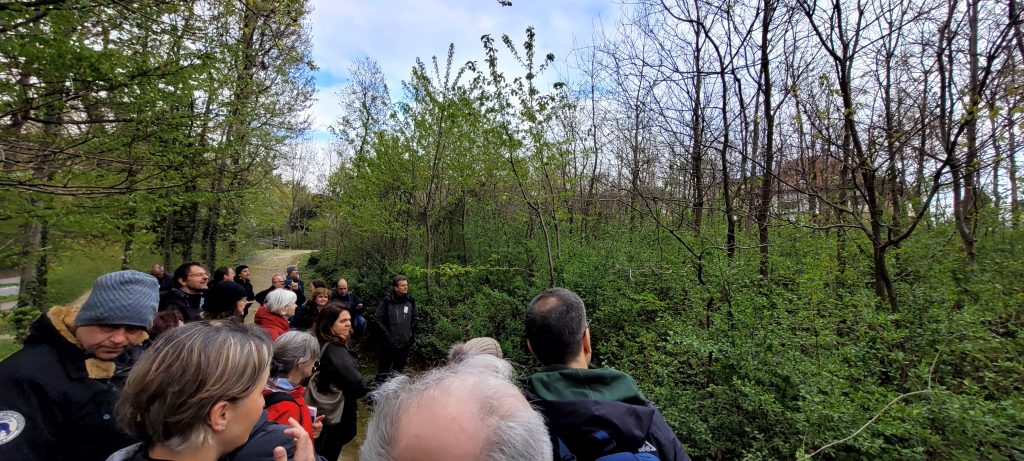
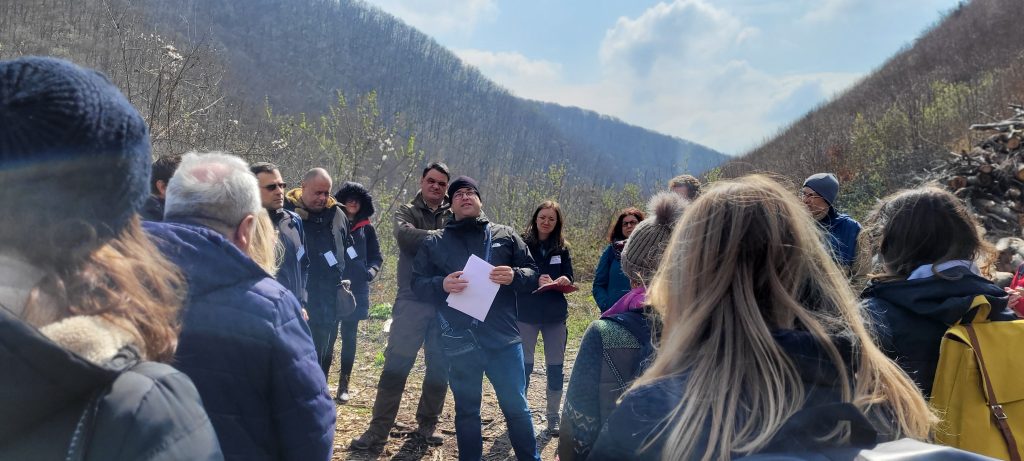
Over the course of the program, participants toured the urban forests of Tuškanac, Zelengaj, Dotrščina, and Maksimir, as well as the management unit “Sljeme-Medvedgrad Forests” in Medvednica Nature Park. Though different in setting and scale, each site told a compelling story of challenges faced with climate, forest management goals and diverse interest groups – and together, they revealed how local approaches can contribute to global solutions for forests and people, particularly in urban areas. 

City Roots: Regeneration Amid the Urban Pulse 

The journey began in the heart of Zagreb, where centuries-old forests like Tuškanac and Zelengaj weave quietly through the city center. Here, the challenge is twofold: restoring damaged ecosystems while earning – and maintaining – the trust of a sceptical public. 

At the forest’s edge, participants were welcomed by experts from Croatian Forests Ltd. and the City of Zagreb. Their story? A long, careful process of reforesting areas hit by storm damage and tree aging, all while involving local communities in each step. “This isn’t just about trees,” said one representative. “It’s about people’s perception of trees – what they mean in an urban context.” 

That sentiment was especially clear at Krležin Gvozd, where regeneration efforts began 15 years ago. Foresters didn’t just plant new life – they worked hand-in-hand with residents, addressing concerns and dismantling the common fear that tree cutting signals the start of construction work. Through transparent communication and tailored silvicultural techniques, they turned scepticism into stewardship. 

Windthrown but Not Forgotten: Lessons from Medvednica 

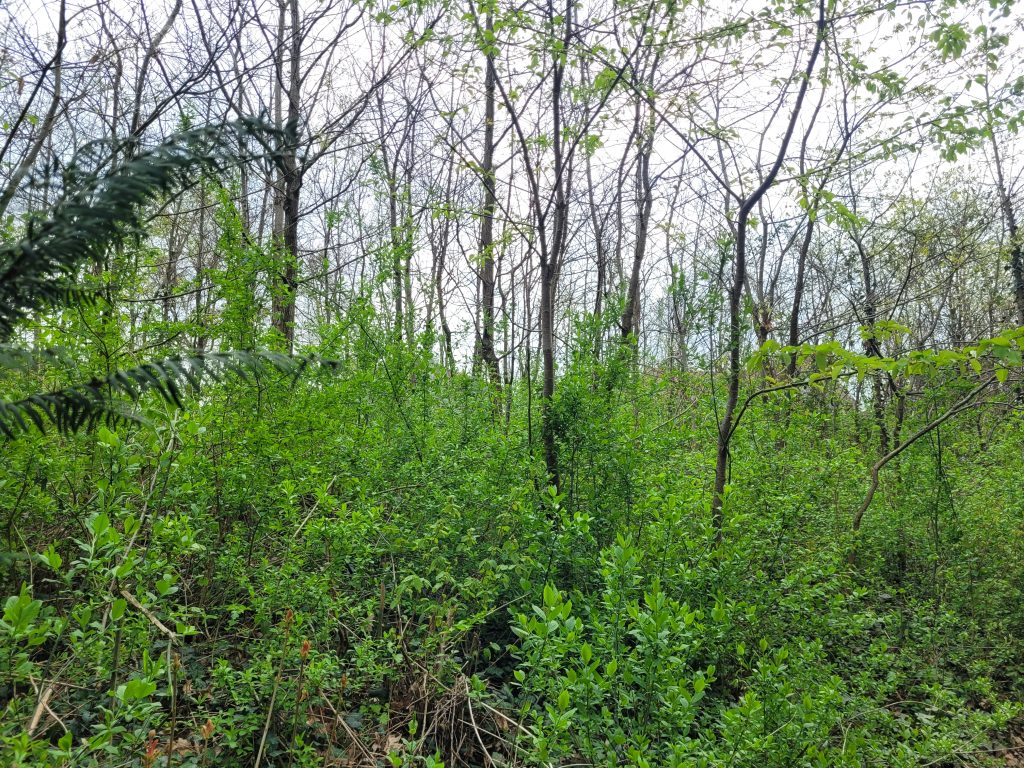
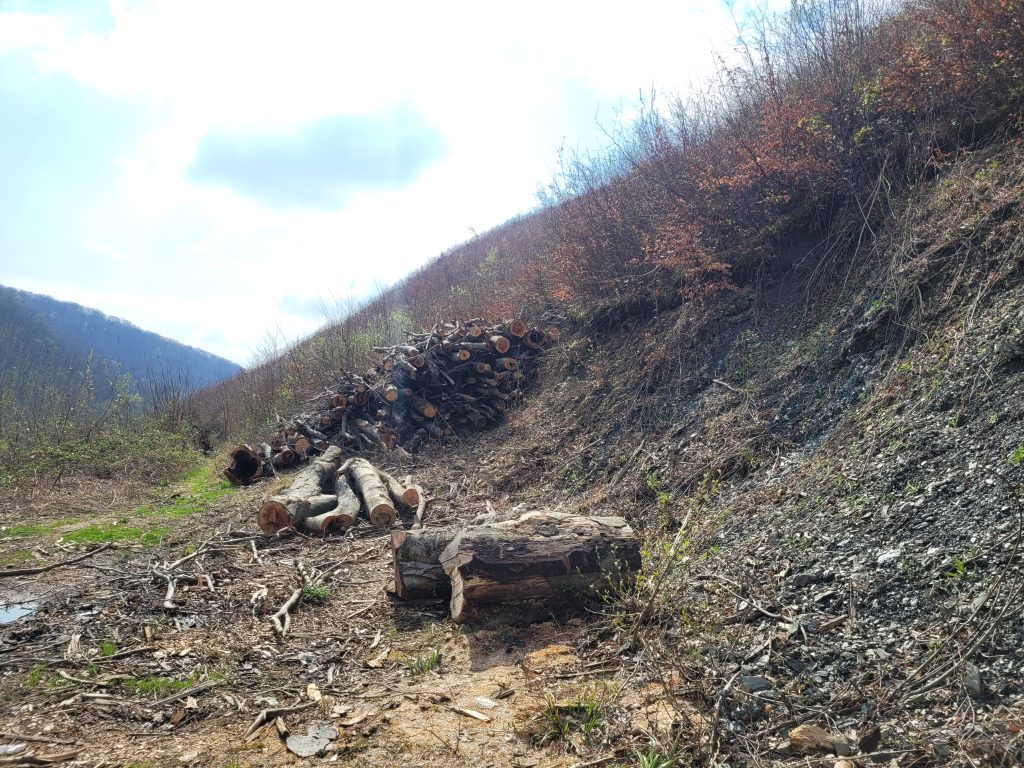
Up the slopes of Medvednica Nature Park, another story unfolded—one of destruction and renewal. In 2013, fierce winds tore through this protected area, uprooting trees and unsettling the local ecosystem. But the forest fought back. Today, thanks to strategic management by Croatian Forests Ltd. and the Public Institution Medvednica Nature Park, large swaths of forest are regenerating naturally. 

This regeneration, however, isn’t without controversy. In Natura 2000 areas, any forest management plan – including harvesting – requires approval from nature conservation authorities. This regulatory oversight, while critical for biodiversity, has also led to delays and uncertainty, especially in post-disturbance situations. 

Natural regeneration on steep slopes, often dominated by beech, raised concerns among excursion participants about how these forests will cope under mounting climate stress. For now, local managers are choosing to observe and monitor rather than intervene prematurely – hoping that they are still seeking the best adaptive management strategies in an increasingly unpredictable environment. 

Participants hiked through these recovering zones, guided by experts like Martina Belović Kelemen and Hrvoje Brnica, who shared how Integrated Forest Management (IFM) is being applied in protected, heavily visited areas. With over a million visitors each year, Medvednica faces the dual challenge of ecological preservation and public use. 

Digital Forests: Technology in the Trees 

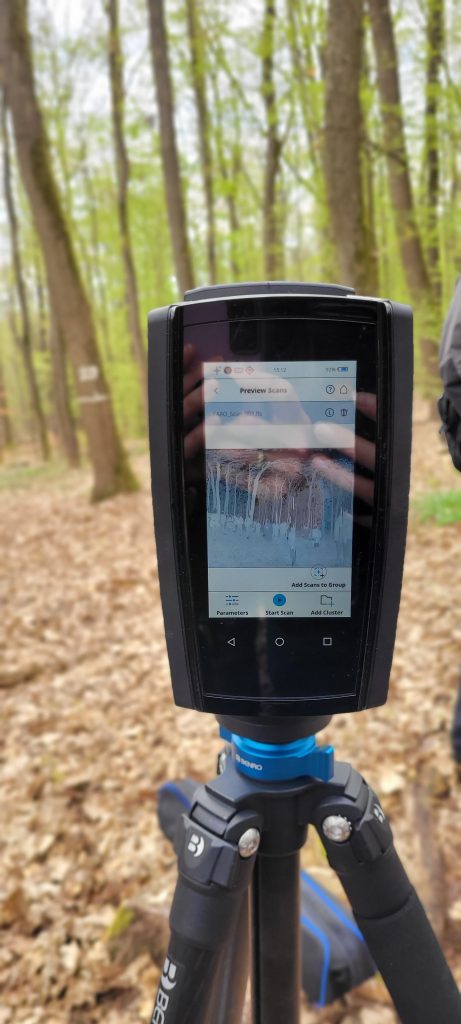
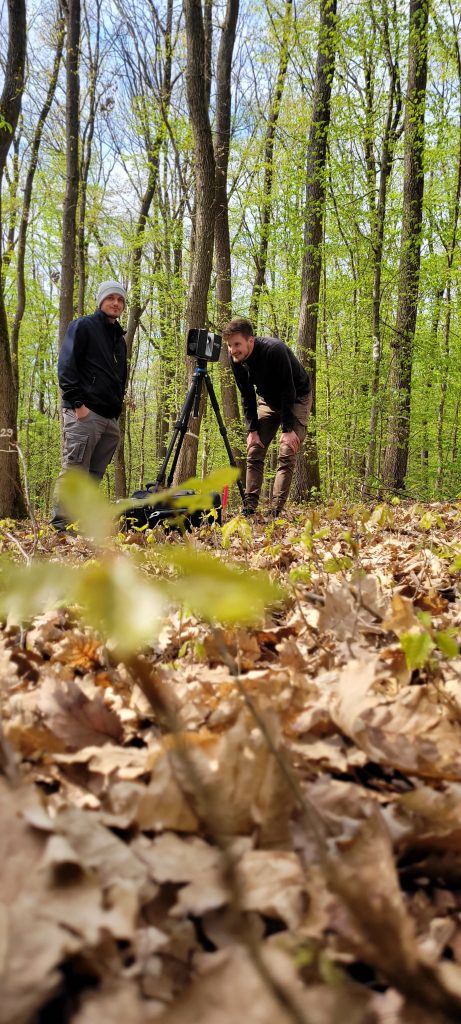
The next stop was Dotrščina Urban Forest, where tradition met technology. Here, scientists from the Croatian Forest Research Institute unveiled how Terrestrial Laser Scanning (TLS) is reshaping forest management. Two types of TLS are currently in use: a static laser scanner with a 150-meter range that performs a full 360-degree sweep over a set period (often up to two hours), and a second, mobile handheld scanner used to complement this data. 

Using both handheld and stationary devices, researchers generated 3D “point clouds” of the forest, capturing data on tree structure and density with remarkable precision. Dr. Ivan Balenović and his team explained how this data can inform decisions about thinning, planting, and recreation management. The forest, heavily used by locals for leisure, must balance ecological needs with human enjoyment. Thanks to decades of financial support from the City of Zagreb and implementation by Croatian Forests Ltd., such harmony is not only possible – it’s thriving. 

Maksimir Park: Deadwood is for the bugs 

The final chapter of the field visit unfolded in Maksimir Park, Zagreb’s most beloved green space and a cultural and natural heritage site. Though not formally part of the Living Lab, its inclusion underscored an essential lesson: successful forest management is as much about communication as it is about conservation. 

Here, Irina Zupan from the Public Institution Nature of the City of Zagreb and Ante Pejić from the Working Unit Urban Forestry of Croatian Forests Ltd. shared the complexities of managing a park visited by thousands daily. The focus? How to bridge the gap between forestry and nature protection through open dialogue and shared goals. 

The park’s management emphasizes collaboration between nature conservation authorities and Croatian Forests to balance a trio of goals: cultural heritage preservation, biodiversity conservation, visitor safety, and climate change adaptation: after a major windstorm some years ago, forest restoration included planting nursery-grown trees – some sourced from abroad – to ensure genetic diversity and resilience. 

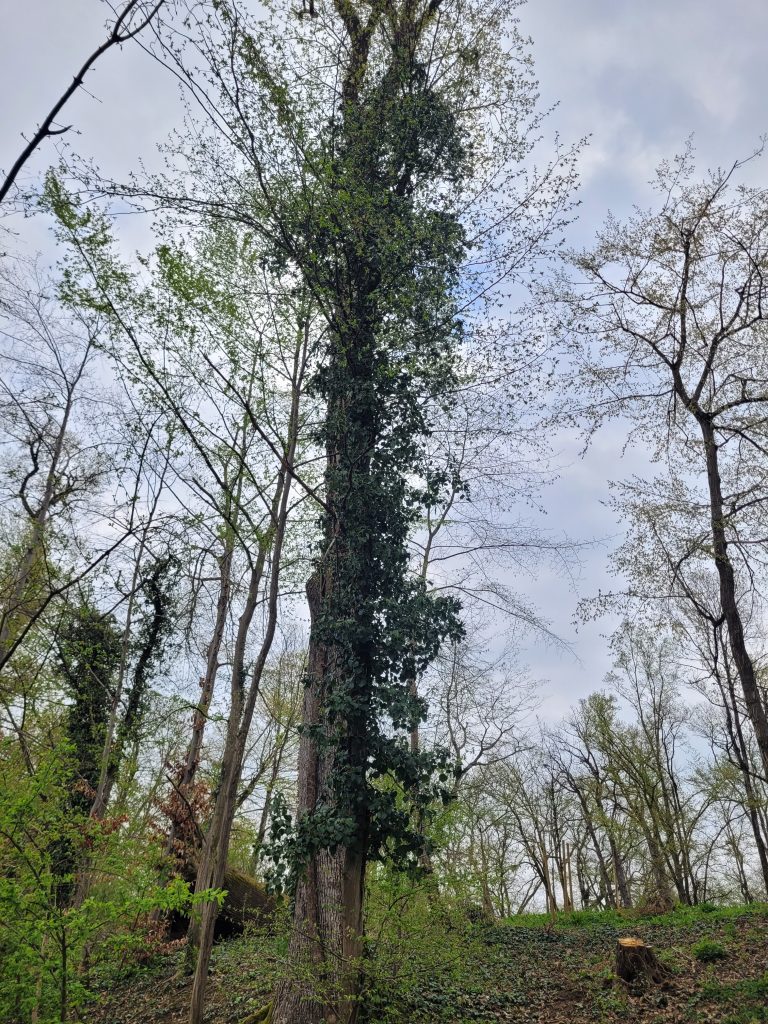
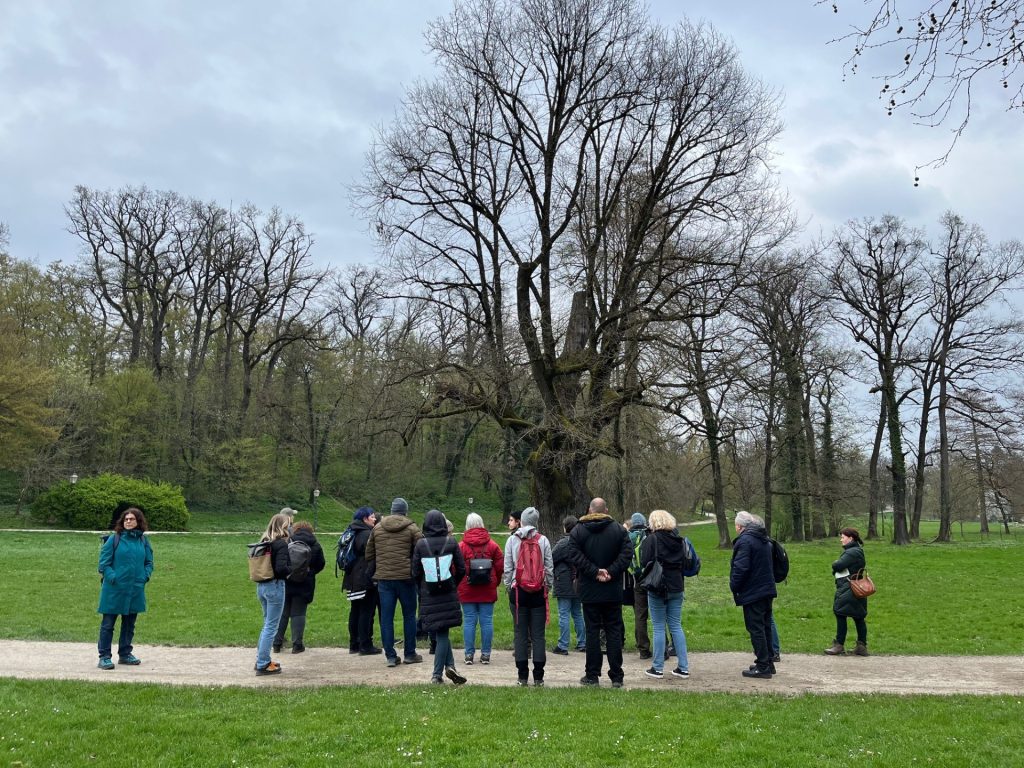
Biodiversity remains a hallmark of Maksimir. With over 1,000 recorded species, including rare woodpeckers, the park is home to some of the city’s oldest known trees – for example a 250-year-old Quercus robur, confirmed by counting its rings. Nearby, the legendary “Grandpa Tree,” believed to be around 600 years old, stands as a living monument to resilience. 

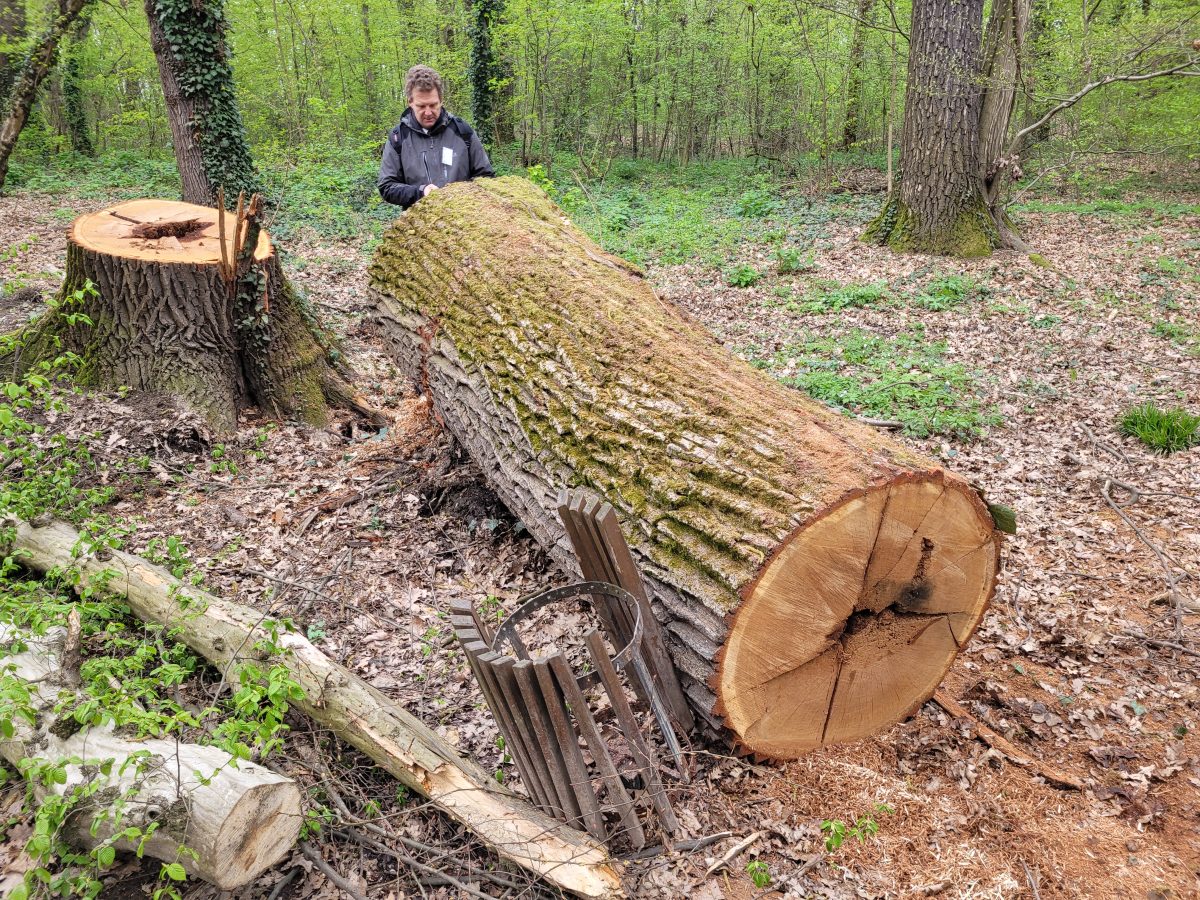
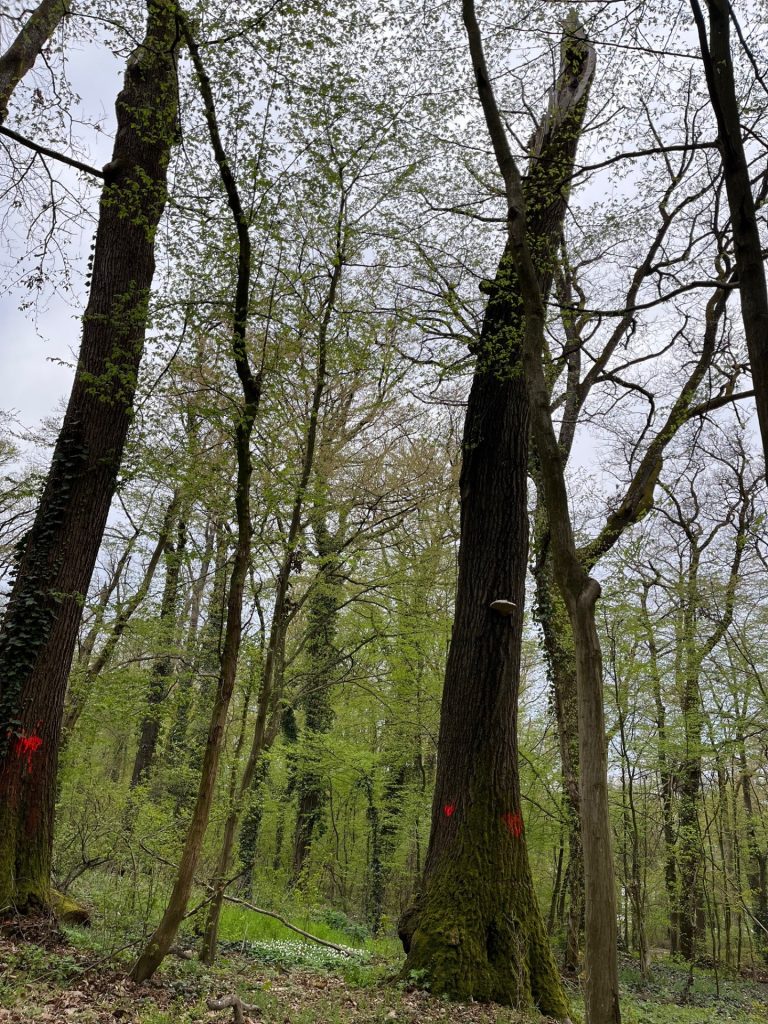
As emphasized by Irina Zupan, biodiversity protection also requires an ongoing dialogue between forest and nature conservation – exemplarily shown around the issue of deadwood. With a smile on her face, she mentioned that forest managers call the people in charge of nature conservation “bugs” – with a bit of irony of course, because they sometimes feel bothered by their requests. However, through an ongoing exchange and increased collaboration there is a broad awareness of the advantages of both standing and lying deadwood for a rich biodiversity in the forests. That’s why current forest managers like Ante Pejić promote leaving deadwood in the forest, with the comment “deadwood is for the bugs”.  

Despite the good collaboration in terms of forest and nature protection management, modern challenges persist. Invasive turtles, likely released by citizens, have begun to disrupt aquatic habitats along the lakeside, while a resident beaver has made its home in the fifth lake – welcomed as a beneficial part of the forest ecosystem. 

A Forest Future Forged in Partnership 

From the quiet trails of Tuškanac to the lively paths of Maksimir, the Zagreb Living Lab is more than a series of sites – it’s a blueprint for sustainable, people-centered forest management. The common thread across all locations was clear: community matters. Whether through clear communication, participatory planning, or cutting-edge research, the forests of Zagreb are showing that resilience grows stronger when it’s rooted in collaboration. 

As the day’s journey came to a close, one thing remained certain: managing forests in the 21st century means more than managing trees. It means listening – both to nature, and to the people who live alongside it. 

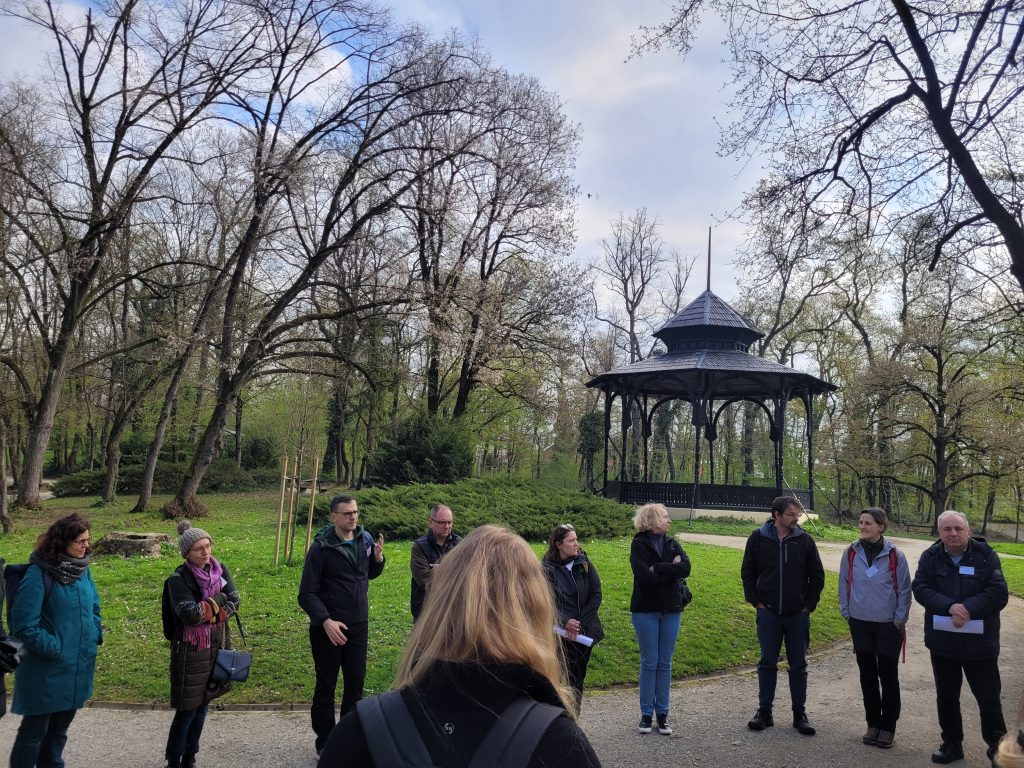
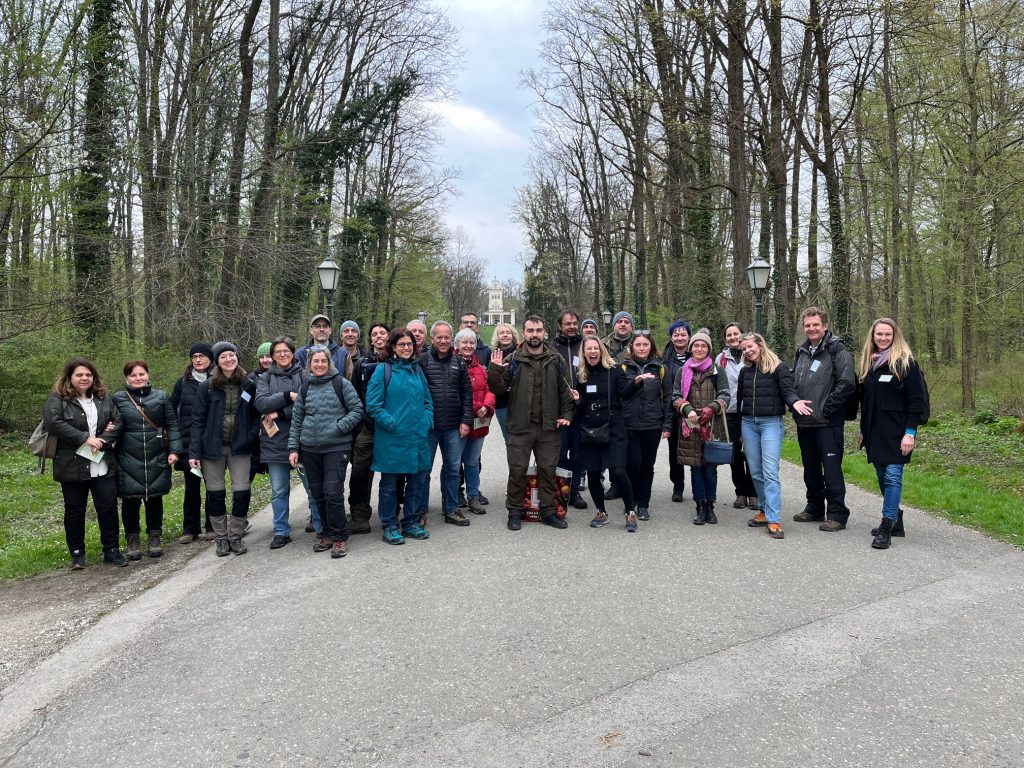
Group picture of 28 people standing in a park-like area of the urban Zagreb Forest, Maksimir Park

Photo credits: Photos by Katharina Freund, Gesche Schifferdecker & Silvester Boonen

Balancing forestry and biodiversity conservation: “It’s important to showcase how things can work” 

“We have the need to improve biodiversity on every scale”, says Dr. Frank Krumm, researcher at the Swiss Federal Institute for Forest, Snow and Landscape Research and co-editor of the book How to balance forestry and biodiversity conservation: A view across Europe (2020). “This is what we know from research. It’s one of our tasks. But we also need to see where our forests come from.”  

This means considering different forest traditions, different socio-cultural backgrounds, and diverse ownership structures – placing efforts for biodiversity conservation within these contexts. 

“So, if I have the need to really manage protection forests, maybe biodiversity conservation is stepping back to a certain extent to provide this ecosystem service of protecting people and infrastructure against natural hazards. And it’s the same for other requests or demands on forests.” 

Dr. Frank Krumm
Swiss Federal Institute for Forest, Snow and Landscape Research

Not a black-and-white issue 

Striking a balance between forest management and biodiversity conservation is not a simple task, nor a black-and-white issue, says Dr. Frank Krumm. Rather, it’s a negotiation that needs to happen between local forest managers, forest owners and communities living in close relationship to a specific environment. Balancing different needs is therefore always a contextual endeavor. 

By showcasing 32 case studies of forest enterprises, forest owners and regional initiatives, all implementing forest management approaches that integrate biodiversity conservation, the book How to balance forestry and biodiversity conservation: A view across Europe (2020) aims to merge theoretical knowledge with practical examples ranging across different forest types and traditions across Europe. 

“It’s not black-and-white. There are maybe different solutions in different regions, in different parts of the world, in different forest traditions. This is why we went quite broad and across Europe, across very different ecosystems, across very different socio-cultural systems. And I think that’s a very good reason, to motivate others that they really see, it can work. We have the proof in these cases.”

Dr. Frank Krumm
Swiss Federal Institute for Forest, Snow and Landscape Research

“It’s important to showcase how things can work” 

Every forest is different and not every forest enterprise can provide the same ecosystem services. “Having a 3-hectare forest or a 3000-hectare forest, certainly makes a big difference”, says Dr. Frank Krumm. The book therefore aims to provide forest managers with diverse tools and options that can support their decision-making processes. 

“So, the idea was not only to create a book publication that is freely available, it was also to create a network that people can really learn from each other and see what they are doing, how they cope with challenges and with very specific demands in their areas.” 

Dr. Frank Krumm
Swiss Federal Institute for Forest, Snow and Landscape Research

Through a spider graph that considers diverse ecosystem goods and services, the editors aim to make it easier to understand and compare different case study examples. 

“The idea was really to find a graph or a way to express that different enterprises follow different approaches and have to fulfil different ecosystem services,” explains Dr. Frank Krumm, co-editor of the book, alongside Andreas Schuck (European Forest Institute) and Andreas Rigling (ETH Zurich). 

Ecosystem goods and services (adapted from MEA 2005) delivered by forests as the basis of a holistic view on forest management. The spider-graph indicates the weighting of the individual goods and services in respect to their importance, financial resources invested, or work power applied in a forest enterprise (Illustrations by Vivanne Dubach).

As a publication that highlights the local and contextual nuances of integrative forest management, the book also aims to contribute to an understanding that timber production and nature conservation do not need be treated as mutually exclusive but rather can be compatible, when forests are managed appropriately. 

How can forestry become more integrative? 

Through their chapter ‘Driving factors for integrated forest management in Europe’, authors Agata Konczal, Jakob Derks (Wageningen University) and Johannes H.C. de Koning (University of Copenhagen) wanted to better understand how and why nature conservation is being integrated into forest management practices across different European forest units and enterprises.  

“So, when a forest owner or forest manager is telling me, ‘I’m implementing biodiversity conservation measures into my forest management practices’, I wanted to check what does it actually mean? What do you do and why are you doing this?” says Dr. Agata Konczal, Assistant Professor at the Forest and Nature Conservation Policy Group at Wageningen University. “Only through such analysis can we understand why biodiversity conservation is important for practitioners and what helps or hinders their integration into forest management”. 

Social expectations and intrinsic motivation are key drivers 

By mapping current and future social, economic, political, technological and ecological drivers across 9 European case studies, the authors came across various regional differences around what facilitates or hinders the application of Integrative Forest Management. 

However, social expectations generally stood out as important drivers, says Agata Konczal.  

“So, foresters and forest owners, they feel that this is what society expect from them, meaning to focus more on biodiversity conservation. So that was interesting for us to realize is that social pressure can support and help foresters to think and implement these biodiversity conservation measures. But it also hinders, it stops them from implementing biodiversity conservation because they feel, or at least some forest owners and some forest managers reported, that for society it’s never enough, that what they seem to want is no forest management. Rather they only want strict protection. So, here we come to this paradox of social expectation. So that was really important for us to kind of map this to realize how important the social drivers are in the story of biodiversity conservation.” 

Dr. Agata Konczal
Wageningen University

Aside from social drivers, a key finding was that forest owners’ and forest managers’ own intrinsic motivation and interest in having thriving and healthy forests strongly supports the implementation of biodiversity conservation. 

“They reported that they are doing this because they believe it’s important”, says Dr. Agata Konzcal. 

Political and economic incentives matter

The study also shows that political and economic factors are crucial. According to the author, there’s a need to think about the application of policies: “We really need good tools, a good setup for these policies, that will give room to forest owners and forest managers to apply these different policy frameworks in their local context. Because as we know, the situation in European forests vary between regions and we cannot have one stiff framework for all these circumstances.” 

“We report that forest managers, forest owners, they expect more incentives, both financial ones but also non-financial incentives, for the activities. On the other hand, the question of the wood market and uncertainties related with the economic situation, that’s what very often stops forest managers, forest owners from experimenting with more biodiversity conservation measures because they may be costly and, in the end, they may impact the economic income.” 

Dr. Agata Konczal
Wageningen University

Through TRANSFORMIT project and its Living Labs, the researchers hope a more in-depth analysis of economic incentives will be possible, studying local impacts of policy frameworks, economic markets and different value chains across Europe. 

This requires an even stronger collaboration between practitioners, researchers and decision-makers, as well as a long-term observation that grasps what the diverse local needs are and what the specificity of each region or forest enterprise requires for effective and sustainable forest management, mentions Agata Konczal. 


The book How to balance forestry and biodiversity conservation (2020) was produced within the framework of the European Integrate Network and has been written by more than 150 researchers and practitioners from 50 institutions and 19 countries. Through its various practice examples, it explores innovative regional- to local-scale approaches of how to balance biodiversity conservation with other ecosystem services in sustainable forest management. 

Insights from Our Living Lab Workshop in Zagreb

Last week’s Living Lab Workshop in Zagreb brought together passionate voices and sharp minds to delve into the multifaceted challenges our Living Labs (LLs) face in implementing Integrative Forest Management (IFM). With diverse regional contexts and priorities, one thing became clear in the 3-day workshop with representatives from all seven TRANSFORMIT LLs: while our challenges vary, the core issues unite us.

Together, we explored the pressing dilemmas at the heart of sustainable forest stewardship:

🔹 Timber Production vs. Biodiversity – Striking a delicate balance between economic viability and both biodiversity conservation and long-term ecosystem functioning.
🔹 Climate Change & Natural Disturbances – Addressing the growing threats from wildfires, windstorms, and pest outbreaks that challenge forest resilience.
🔹 Stakeholder Engagement – Harmonizing the interests of forestry enterprises, public authorities, NGOs, and local communities in a shared vision.
🔹 Economic Pressures – Managing the costs of IFM amid limited financial incentives or support mechanisms.
🔹 Regulatory Barriers – Navigating complex land-use rights and diverging approaches to forest elements like deadwood and post-disturbance management.

So how can we tackle these challenges—together?

💡 We identified several cross-cutting solutions that can help pave the way forward:

✔ Knowledge Exchange – Sharing best practices, innovative techniques, and adaptable financial models across Living Labs.
✔ Stronger Stakeholder Engagement – Creating inclusive, participatory planning processes to align diverse perspectives and foster ownership.
✔ Effective Communication – Enhancing public outreach, media engagement, and trust-building to amplify awareness and support.
✔ Climate Adaptation Strategies – Collaborating on research into resilient tree species and proactive disturbance prevention methods.
✔ Sustained Commitment – Building long-term partnerships that carry IFM goals beyond the life of the TRANSFORMIT project.

Our forests are vital for the health of our planet and communities. From biodiversity to climate regulation, their value is immeasurable—and so is our collective responsibility to steward them wisely.

Stay tuned for a more extensive blogpost covering more insights from our field excursion to the Living Lab in Zagreb, our exchange on communication and stakeholder engagement, and our discussions on IFM indicators.

New allies for forests – stakeholder engagement in the TRANSFORMIT French demo forest 

The Nezer Forest, selected as the site for the French TRANSFORMIT Living Lab, is also part of several other local consultation projects and living lab initiatives. These parallel efforts align synergistically with the objectives of TRANSFORMIT, fostering a community of diverse, engaged stakeholders eager to exchange ideas on topics such as forest management, biodiversity, social expectations regarding ecosystem services, carbon sequestration, and more. Nezer Forest benefits from its large size, which is well above the regional average for landholdings, offering a broad range of management practices. Additionally, both the forest’s owner and its manager are committed to open dialogue with society. 

One of the parallel projects led by the French national center of forest property (CNPF), called Sylva-Cités, aimed to foster territorial consultation to enhance the multifunctionality of the forest. The approach consisted of a series of 3 workshops held between May and December 2024, bringing together approximately twenty stakeholders representing a diverse range of profiles including municipalities, environmental NGOs, firefighting services, industrials, forestry practitioners and recreational users.  

The first workshop on 21 May 2024 provided an opportunity to visualize and understand the different services and uses of the Nezer forest. Participants identified and discussed the most important ecosystem services (ES) in the area according to their aspirations. The consultation tools used led to a consensus on prioritizing the following ES: wood production, carbon storage, biodiversity conservation, education/awareness-raising, mitigation of natural hazards and hunting.  

During the second workshop on 25 June, participants were invited to map the identified services and uses onto the property’s spatial layout. This spatialization first sought to depict the forest’s current state, followed by adjustments to reflect the expectations and priorities of each stakeholder group. The outcomes of the participants’ discussions are summarized in the table below: 

Ecosystem servicesRanking of the most important ES Target distribution in the Nezer Forest (percentage of surface area) Evolution compared to initial state
Wood production#1[80 – 100] %↘
Carbon storage#2[95 – 100] %=
Biodiversity hotspots#3[10 – 20] %↗
Education / Awareness-raising#3[5 – 30] %↗
Mitigation of natural disasters#5[20 – 30] %=
Hunting#5[90 – 100] %↘

These discussions highlighted several fascinating topics. For instance, a trade-off emerged between the importance of raising public awareness about forestry issues and providing educational facilities, on the one hand, and the need to respect the private nature of the property and minimize the impact of visitor traffic, on the other. 

The third workshop on 3 December focused on exploring the level of risk awareness among recreational users, especially new residents. Forestry professionals have noticed a growing number of inappropriate behaviors from recreational users, such as endangering themselves during sylvicultural work or periods of fire vigilance, dumping waste in the forest or failing to notify the owner before organizing collective activities. But rather than opting for restrictive measures that might strain relations with recreational users, the workshop provided an opportunity to discuss and propose a large number of innovative initiatives to raise awareness among this public, share the rules of good conduct, and foster a sense of collaboration. This way, recreational users can become allies for nature protection and vigilance against incivilities.  

As a peri-urban private forest, the Nezer forest faces a growing number of challenges, including addressing the needs of local residents, preserving biodiversity, and adapting forest management to future conditions. This territorial consultation process, involving a wide variety of stakeholders, provides a valuable opportunity to better understand the expectations of all parties and develop tailored solutions. The TRANSFORMIT project will provide tools to more effectively measure efforts in each of the social, ecological and economic dimensions of forest management. Additionally, it will foster reflection and facilitate the sharing of best practices for forest integrative management on a European scale. 

(left) Map of the Nezer forest, a 3,000-hectare private property and French TRANSFORMIT living lab, (right) results of the stakeholder expectations workshop on the provision of ecosystem services. Amélie Demanet © Melinea 

Call: looking for forest enterprises practicing IFM

In TRANSFORMIT, we aim to identify forestry enterprises in Europe that are practicing integrative forest management (IFM). Are there such enterprises in your region? If yes, please contact us, so we can include them in the project!

In TRANSFORMIT, we define IFM as an approach that aims at integrating biodiversity conservation and global change adaptation into forest management for the sustainable provision of multiple ecosystem services. It is guided by natural and diverse forest structures, compositions, and dynamics to support ecosystem functioning and resilience. Its management practices consistently consider the tree, stand, and landscape scale and employ different silvicultural intensities, including intentionally unmanaged forests. IFM can be applied in any type of forest to achieve integrated environmental, economic, and social outcomes. 

In order to assess the effectiveness of IFM-practices to achieve ecosystem service provision, forest resilience, adaptive capacity and biodiversity conservation outcomes, we need basic forest measurements (e.g NFI variables) from repeated inventories. Here, we are interested to go beyond stand-level, and look at enterprises (= large area of stands covered by a forest management plan). 

Please find more information in our flyer, as well as opportunities for further collaboration. 

Towards a Stakeholder Engagement Platform: Insights from our “Networks of Networks” Meeting

In today’s world, despite the vast amount of time we spend communicating—whether in meetings, emails, or social media— it often feels like we struggle to engage with different perspectives on a topic. We are also facing this challenge in forest management, where diverse stakeholders, each with unique backgrounds and priorities, must come together to find common ground to support biodiverse and resilient forests for the future.

At our recent “Network of Networks” meeting on 18 September 2024 in Bonn, we sought to bridge this gap through a World Café approach. This way, we created space for authentic dialogue on how we can integrate different forest ecosystem services like biodiversity, water provision and carbon storage into forest management. This format allowed stakeholders to engage in meaningful conversations, understand each other’s perspectives more deeply, and identify new avenues for collaboration. Together, we explored the barriers and enablers to working collectively across different sectors. Finally, we explored how we can continue this networking and keep the momentum.

Across five tables with different discussion topics (Policy, Nature Conservation, Media & Society, Science, Forest Owners), we synthesized key insights on stakeholders’ challenges, interests, and frameworks:

We clearly know that dialogues are only effective when they are closely linked to actions. Therefore, from here, we are moving forward to:

🌳 plan follow-up activities: connecting science, policy, and practice networks in further activities;

🌲 team up with partner projects and networks for common activities (back-to-back meetings, participation and representation in events) and identify synergies in approaches, test sites & living labs, and communication;

💬 strengthen a communication lane for networks on relevant information and involve networks for the design of the knowledge hub.

All of the valuable input will feed into the construction of TRANSFORMIT’s Stakeholder Engagement Hub – more updates and information will follow soon.

Visual Harvesting of the meeting was done by Visuality.

Bridging science, policy and practice with Integrative Forest Management

On 19 September, the European Forest Institute (EFI) hosted the EFI Scientific Seminar in Bonn, where the concept of Integrative Forest Management (IFM) was explored in depth. This approach is central to our TRANSFORMIT project, focusing on balancing forests’ roles as vital resources for a climate-neutral bioeconomy and providers of essential ecosystem services. Several members from our project, including our project coordinator, Bernhard Wolfslehner, participated in the seminar.

Prof. Dr. Jürgen Bauhus from the University of Freiburg highlighted IFM’s potential to safeguard biodiversity by combining natural, multifunctional, and plantation forests. He noted that IFM fosters dialogue and cooperation among diverse stakeholders, echoing our TRANSFORMIT’s mission to promote cross-sectoral collaboration.

The first panel discussion addressed IFM’s role in mitigating forest disturbances, noting that while disturbances can’t be avoided, diverse forest structures across scales can reduce the risk of large-scale failure. The panel also emphasized the value of Europe’s diverse forest management traditions and the need to learn from different regions, aligning with our TRANSFORMIT’s commitment to knowledge sharing.

In the second panel, Maria Patek, former Austrian Minister for Agriculture and Forestry, stressed the importance of engaging forest owners and other stakeholders in policy discussions. The panelists called for coherent policies and collaboration with often-overlooked stakeholders, including rural businesses and industry, and stressed the need for incentives to shift forest management practices.

The afternoon sessions focused on practice, starting with a “Couch Talk” featuring artist Evgenia Emets, who explored how collaboration between forest art, science, and practice can enhance engagement, especially with younger generations. The panel discussion afterwards brought together practices examples from across Europe, reflecting the need for interaction between practitioners, science, and policy, which is key to creating a shared vision and a “community of change”.

The final panel discussed networks for knowledge exchange, such as the Integrate network and ProSilva. Panelists, echoing conclusions from our Network of the Networks meeting on 18 September, agreed that these networks are crucial for sharing experiences and motivating active forest management in uncertain times. Building a family of biodiversity-friendly concepts was seen as more important than creating individual bubbles.

Watch the recording of the EFI Scientific Seminar here:

This article is adapted from the European Forest Institute’s (EFI)’s news report Bridging science, policy and practice with Integrative Forest Management.

Photos: Rosa Castañeda, EFI

TRANSFORMIT’s new working definition of Integrative Forest Management

Forests are multifunctional. Yet, managing these diverse functions simultaneously is never an easy task. Forest managers often struggle with balancing conservation efforts with economic demands, adapting to climate change while maintaining ecosystem services, and safeguarding biodiversity amid human activities.

Integrative Forest Management (IFM) comes as a solution to navigate these complexities, and this is also the core of our TRANSFORMIT project. IFM is designed to harmonize biodiversity conservation and climate adaptation within forest management. But what does this mean in practice? 

To clarify our approach, we have established a working definition of IFM, developed as the first step in our engagement with stakeholders and partners:

Integrative forest management (IFM) aims at integrating biodiversity conservation and global change adaptation into forest management for the sustainable provision of multiple ecosystem services. It is guided by natural and diverse forest structures, compositions, and dynamics to support ecosystem functioning and resilience. Its management practices consistently consider the tree, stand, and landscape scale and employ different silvicultural intensities, including intentionally unmanaged forests. IFM can be applied in any type of forest to achieve integrated environmental, economic, and social outcomes.

IFM is a crucial tool for navigating the complexities of modern forest management and preserving forest ecosystems in a changing world. We understand IFM as not just a theoretical concept but a practical approach that brings together diverse stakeholders—including local communities, researchers, practitioners, policy makers, investors and conservation organizations—to develop tailored management plans that respect the multifaceted values of forests. By using this working definition as a foundation, our TRANSFORMIT project aims to promote sustainable forest management that balances environmental, economic, and social outcomes across various forest types and contexts.

‘ForestMoocForChange’: Communicating new integrated forest management systems to over 12.000 learners! 

Can we integrate online training formats with in-forest marteloscope workshops? 

Article by Jonathan Spazzi

New integrated forest management systems seek to combine the profitable production of quality timber with the enhancement and protection of biodiversity and ecosystem services. To date, lack of knowledge and expertise of management options have been one of the main hurdles to enabling such systems. Teagasc collaborated with Irish stakeholders and three European forest agencies in Belgium, France and Germany in a new and ambitious Erasmus+ project to develop ‘ForestMoocForChange’ – the first free Massive Open Online Course (MOOC) on continuous cover forest management (CCF).  

This new interactive educational tool went live in October 2023, aiming to facilitate transformation of forests towards integrated management systems, promoting production of quality wood, biodiversity and ecosystem services. The eight-week course was offered in three languages (French, German and English), self-paced and includes 74 tutorial videos, online quizzes and exercises to carry out in the forest. During the project, running between 2023 and 2024, each fortnight a live session allowed participants to ask questions regarding topics covered.  

Example of the filming process and video tutorial where we meet private forest owners in Ireland and we share on the progress of their family forest transformation journey form plantation to multipurpose close-to-nature forest.

After viewing the videos and on successful completion of quizzes and exercises, participants received a certificate and approved a ‘charter of commitment’, to use and further develop their knowledge and understanding of CCF. Over 12.000 learners took the training course in 2023/2024, with over 2,500 certificates achieved.  

By demonstrating how forest transformation practices and management tools can be applied, the course provides innovative ways to enhance forest owners’ and managers’ capacity to adopt integrated management systems in their forests and thereby initiate long-term societal change. The course supports National and EU forest policies, which increasingly promote integrated management to enhance resilience, sustain production and deliver ecosystem services to society.  

This project was also recently selected and included in Teagasc annual “Research Impact Highlights” publication, showcasing research dissemination projects that show significant impact.  

The ‘ForestMoocForChange’ online training has come to an end in June 2024 but with a new Catalan partner, the MOOC team has expanded and recently applied for further funding to secure continued access to the original MOOC, as well as develop a new online training facility that focuses on research and best practice for adaptive forest management to counter the impact of climatic changes to European forests.  

Linking the MOOC with marteloscope workshops  

During the course of this project a link emerged between this new online training facility on integrated management and Teagasc’s ongoing marteloscope training workshops: Learners from ForestMoocForChange seemed to progress to marteloscope workshops and marteloscope workshops attendees to the ForestMoocForChange programme. This revealed the opportunity to further integrate online training formats with in-forest marteloscope workshops.  

This year Teagasc has so far completed 6 marteloscope workshop events at its facility in Oak Park, where a total of almost 100 participants came to a 1 day intensive workshop: mostly forest owners but also foresters, contractors, students and general public. Read more about it here. 

Layout of the marteloscope training facility in Oak Park, main Teagasc National Research Centre.
The Teagasc foresters team (in orange) assisting owners (in yellow) with setting up the tablets and initial discussion ahead of marteloscope group exercises.

These workshops adopt a facilitation-style format and encourage participants to learn by doing, leading to group discussions and valuable peer-to-peer learning. The main aims of these workshops are:

  • to consider different forest management scenarios
  • to practise the key skill of selecting trees by their quality, vigour and biodiversity value
  • to demonstrate in practice how management can help integrate production with biodiversity and other important services that forests can provide
Forest owners in a smaller group carrying out a tree selection exercise to be presented to the rest of the groups. The aim of the exercise is to stimulate discussion on how to achieve balance between timber production and biodiversity enhancement, leading to peer-to-peer learning. 

This article was initially published here.