
Europe’s forest future on the ground: building resilient landscapes in Catalonia’s forests

by Gesche Schifferdecker (EFI), with editorial input from Teresa Baiges Zapater (CPF) and Rahel Könen (EFI)
What does it take to manage a forest in a world of increasing drought, wildfire risk, and uncertainty? Who decides what forests should provide – timber, biodiversity, climate protection, or recreation? How can so many different expectations be reconciled on the same piece of land? And what is the role of private forest owners in this complex environment?
These were some of the questions that framed our workshop on 7 May in the Moianès region of Catalonia, where we brought together journalists, researchers, forest owners, policy experts, conservationists, and practitioners. The event was organized by the European Forest Institute and the Forest Ownership Centre of Catalonia as part of the TRANSFORMIT project.
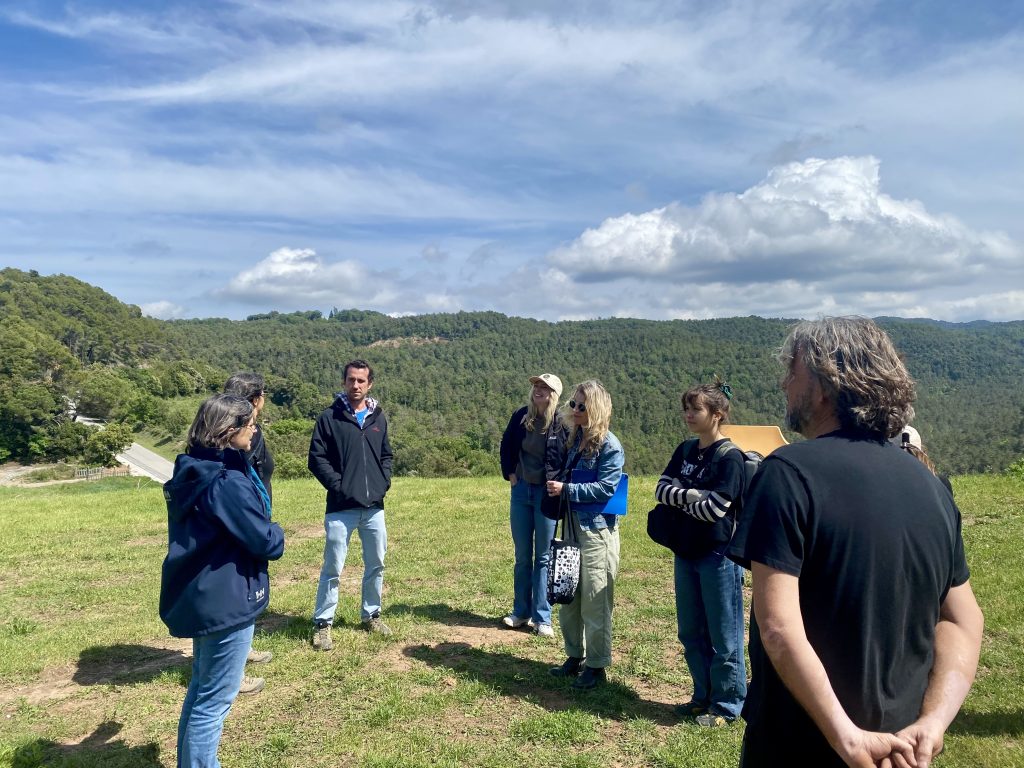
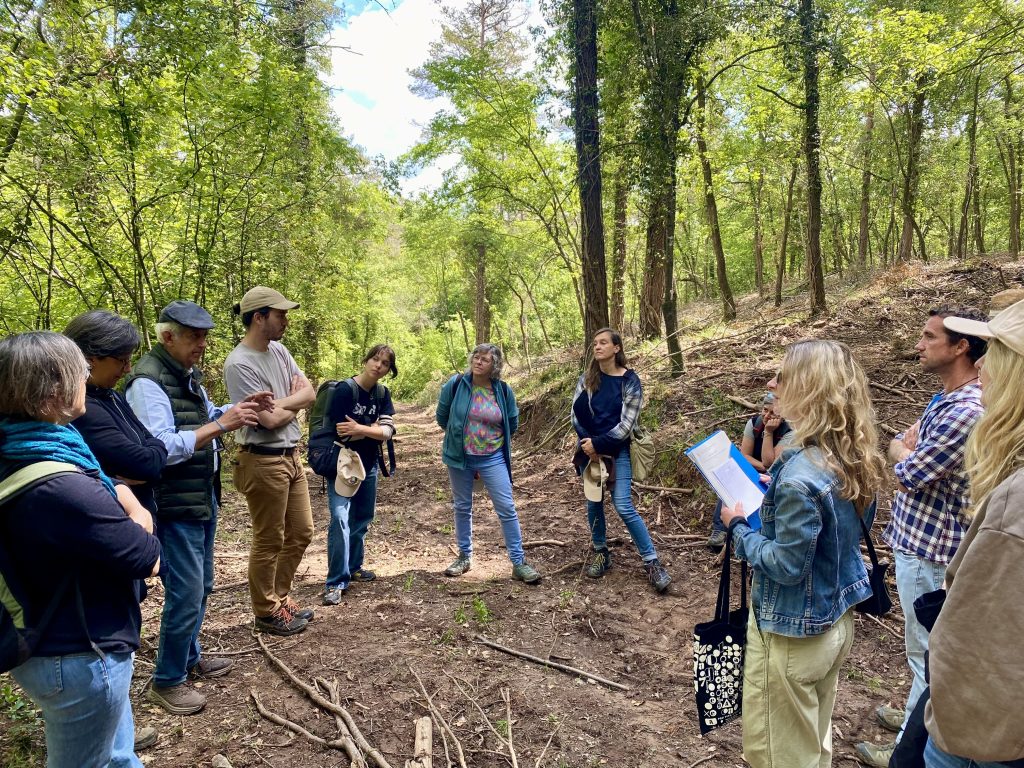
Crucially, this was not a conventional workshop. The Catalan region of Moianès is one of TRANSFORMIT project’s Living Labs – a landscape where different actors come together to test, observe, and co-develop new approaches to forest management in real time. Instead of staying in a conference room, we spent the day moving through the sites of the Living Lab: walking through forests, visiting farms and vineyards, and stopping in small villages – and speaking directly with the people who are dealing with these questions in practice.
The setting could not have been more relevant. In Catalonia, forests are everywhere. They stretch from the Mediterranean coast to the Pyrenees, covering nearly two thirds of the region. Yet despite this abundance, there is a striking paradox: only 1/3 of these forests are managed, often economically unprofitable, increasingly vulnerable to drought and wildfire, and frequently at the center of debate over what forests are actually most important for.
What emerged over the course of the day was not a single solution to Europe’s forest challenges, but something perhaps more important: a shared willingness in the Living Lab to experiment, collaborate, and rethink old divisions between conservation and production.
Integrative Forest Management – a more holistic approach?
The morning began in Caldes with discussions around a term that would accompany us throughout the day: Integrative Forest Management (IFM). Unlike approaches that focus only on timber production or only on strict protection, IFM attempts to work across scales and interests. It recognizes forests as ecosystems that must simultaneously provide biodiversity, climate resilience, livelihoods, recreation, clean water, and raw materials. Compared to other areas in Europe, in the Mediterranean, forest management is already fulfilling many of the IFM criteria, then, what can IFM bring? What needs to be transformed?
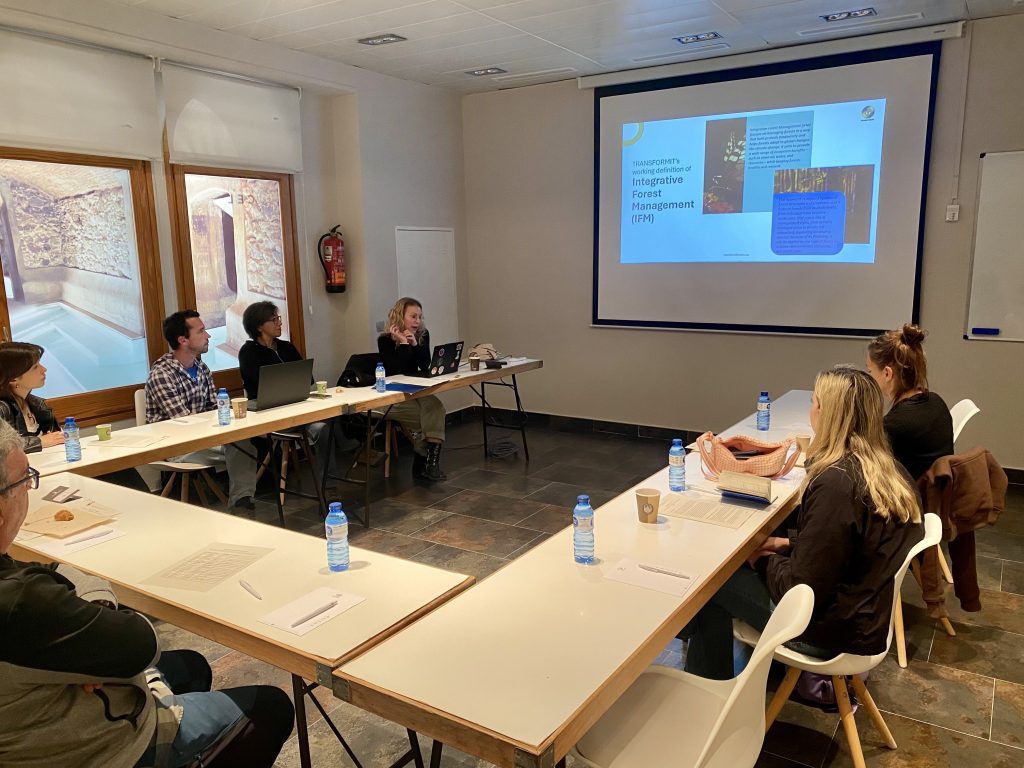
One participant described IFM as a “landscape perspective” rather than a single management technique, using a broad understanding of landscape that also includes the people who live within it. Some areas may be actively managed, while others are left untouched. The key idea is flexibility: adapting management to local ecological and social conditions while trying to balance environmental, economic, and social objectives with the objectives of forest owners.
As the day unfolded, it became increasingly clear that small private forest owners – despite their diverse backgrounds and perspectives – are true stewards of forests. At the same time, the conversations showed that forestry is no longer discussed solely among foresters. Throughout the TRANSFORMIT project, partners have been working closely with forest owners, practitioners, policymakers, and conservation groups through workshops, trainings, webinars, and of course other Living Labs across Europe. The emphasis is on learning together rather than prescribing solutions from above.
That collaborative spirit felt particularly important in Catalonia, where forests are highly fragmented in terms of ownership, explained Teresa Baiges Zapater from the Forest Ownership Centre – Forestry administration of Catalonia (CPF). Around 78% of forests are privately owned, often by families with relatively small properties. Many owners inherited their land rather than actively choosing forestry as a profession, and forest management plans remain voluntary.
As we learned from the Forest Ownership Centre, Catalonia’s forests are also surprisingly young. Large areas of agricultural land were abandoned over the past century, allowing forests to regenerate naturally. While this reforestation has increased tree cover, it has also created dense, relatively uniform forests that are increasingly vulnerable to drought and wildfire.
Climate change and disturbances: changing realities for forest owners
The challenge is intensified by climate change. The years between 2012 and 2023 were described as the driest period in 200 years. During our first field stop at La Noguera Farm near Castellterçol, researcher Josep Maria Espelta from the Centre for Ecological Research and Forestry Applications (CREAF) explained that drought has already affected around 100,000 hectares of forest – an area comparable to the amount burned by fire in Catalonia since the 1980s.
Standing among Scots pine forests, the consequences became tangible. Many trees were weakened or dead, competing for increasingly scarce water. As Josep Maria Espelta emphasized, drought is now becoming as important a disturbance as wildfire in Mediterranean forests.
This changing reality is forcing forest owners and managers to rethink old assumptions. One particularly interesting discussion focused on deadwood. Traditionally, removing dead trees has often been seen as necessary to reduce fire risk. Yet deadwood is also critical habitat for countless species and for forest resilience.
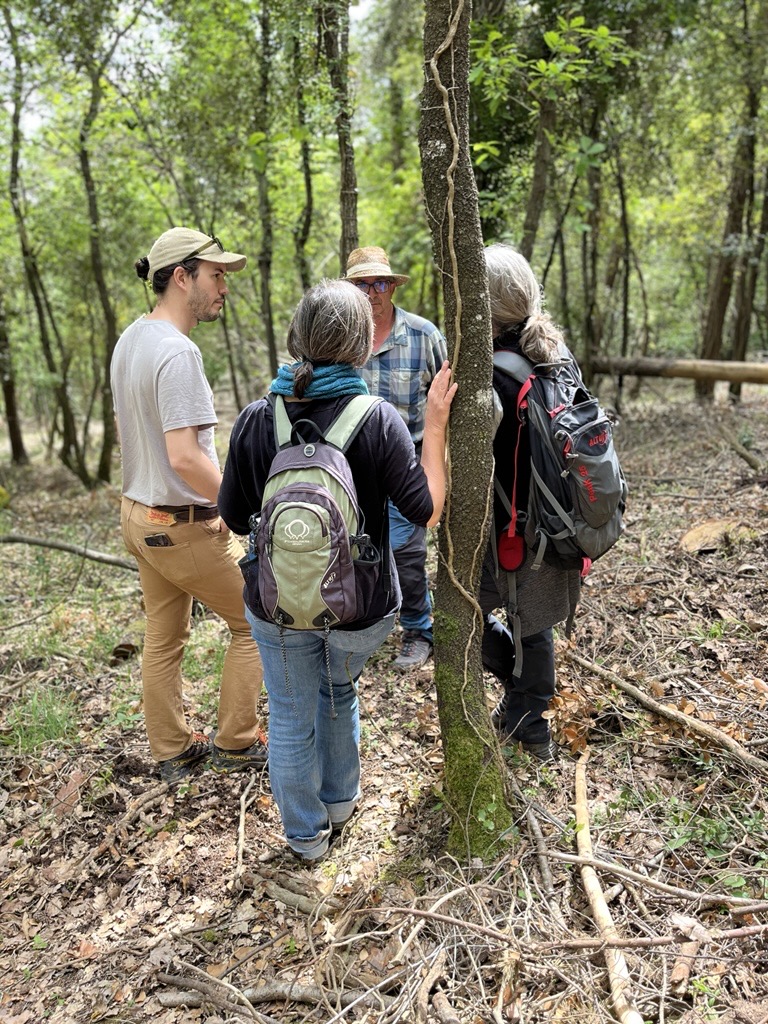
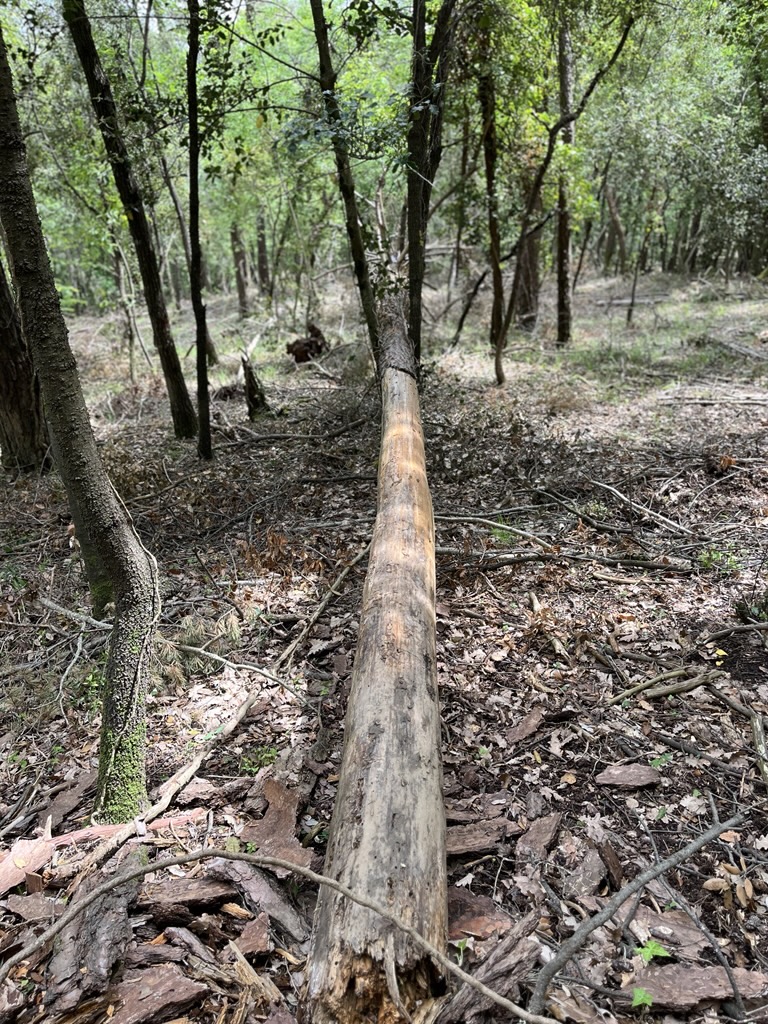
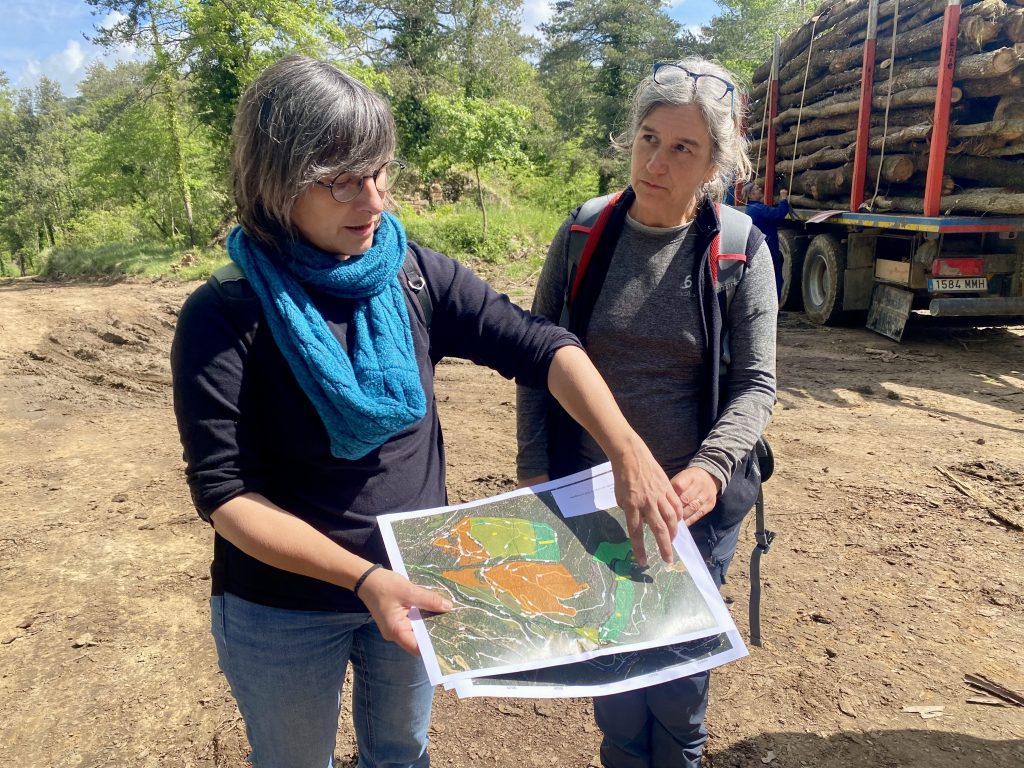
The Living Lab in Moianès is experimenting with different approaches: some plots have all deadwood removed, others retain 20%, while in some areas all deadwood remains, explained Eva Gabriel de Franscisco (CPF). Researchers are monitoring how biodiversity responds under these different scenarios, both at the forest stand and at the landscape scale. Rather than promoting one universal answer, the Living Lab approach allows stakeholders to test trade-offs together and adapt based on evidence and the local context.
How the Living Lab fosters collaboration
What made these discussions especially compelling was hearing not only from scientists, but also from local conservationists and forest owners.
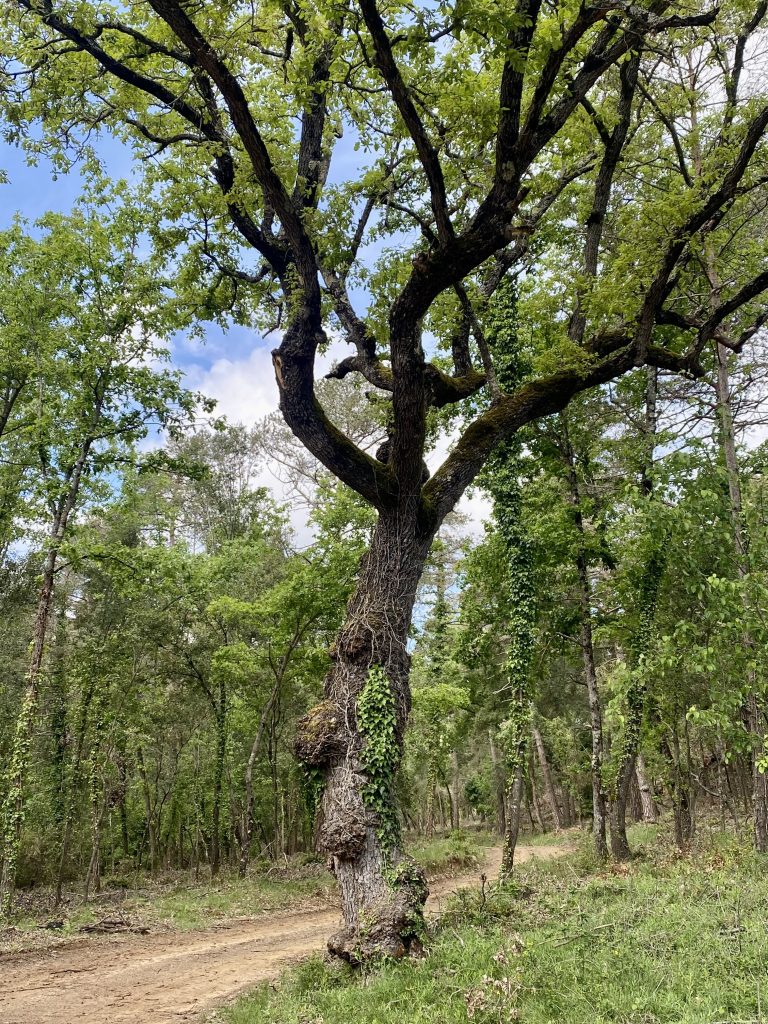
Pilar Clapers, a passionate birdwatcher and member of the local NGO El Fanal, spoke about why she joined the Living Lab. For her, collaboration between ecologists, forest owners, and managers is essential in a time of biodiversity decline. One story she shared stayed with many of us: after identifying a rare oak species for the region in the area where salvage logging was taken place, forest owner Antoni Masferrer agreed that these trees would remain untouched, even if their wood is valuable as firewood. A small decision perhaps, but one that symbolized the trust slowly being built between groups that are often portrayed as opponents.
Antoni Masferrer himself offered a perspective grounded in practicality and responsibility. His motivation for managing forests, he explained, is to leave them in a better condition for future generations while reducing fire risk and earning at least some modest income. At one point he compared forest management to going to the hairdresser: maintenance matters.
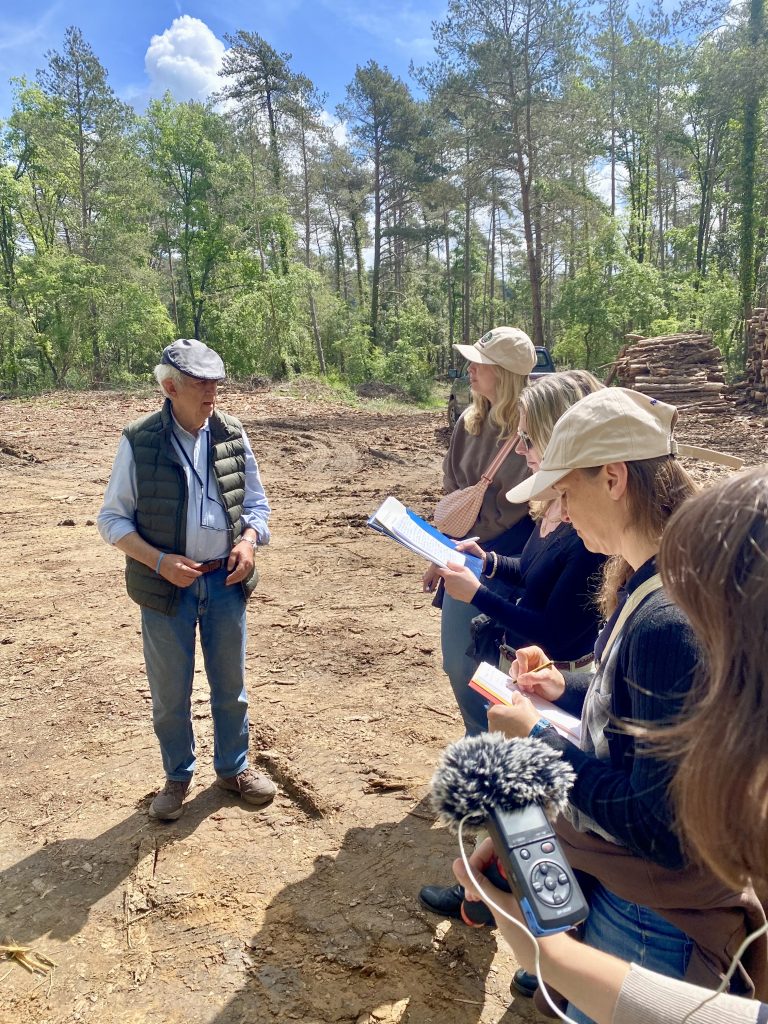
But his comments also revealed the economic fragility behind many privately owned forests. Timber prices remain low, much of the wood is used for pallets or pellets, and qualified labor is difficult to find and afford. Many forest owners are aging, while younger generations often have little interest in taking over management responsibilities.
“Forest owners don’t want to leave the forest as a burden,” he said.
And who should pay for this?
After lunch, discussions turned toward one of the central questions underlying the entire workshop: if society wants healthy, resilient, biodiverse forests, who should pay for them?
Catalonia’s Climate Credit System offers one possible answer. Presented by Teresa Baiges (CPF), the scheme aims to finance integrative forest management through payments for ecosystem services.
Unlike many carbon credit systems, the goal is not simply to maximize tree planting or carbon storage. Instead, the system focuses on maintaining healthy forests that are better adapted to climate change and less vulnerable to disturbances such as wildfire and drought.
One innovative aspect is that particularly forest owner associations – rather than individual owners – can apply. This encourages collaboration at landscape scale, which is crucial for addressing wildfire risk, and services related to water and ecological connectivity.
The credits are sold to both public and private actors, including companies interested in strengthening their environmental commitments or complying with emerging sustainability regulations. Because projects are local, buyers can visit the forests they support, creating a stronger connection between financing bodies and landscapes impacted by their sponsorship.
Importantly, the money is provided upfront rather than after management actions are completed, helping overcome one of the major barriers many forest owners face.
New landowners shaping transformation
In the afternoon, the focus shifted toward another transformation taking place in Catalonia’s forests: the changing profile of forest owners themselves.
One of the most inspiring conversations came from Dones de Bosc, the first association of female forest owners in Spain. Founded only in 2025, the network has already grown rapidly.
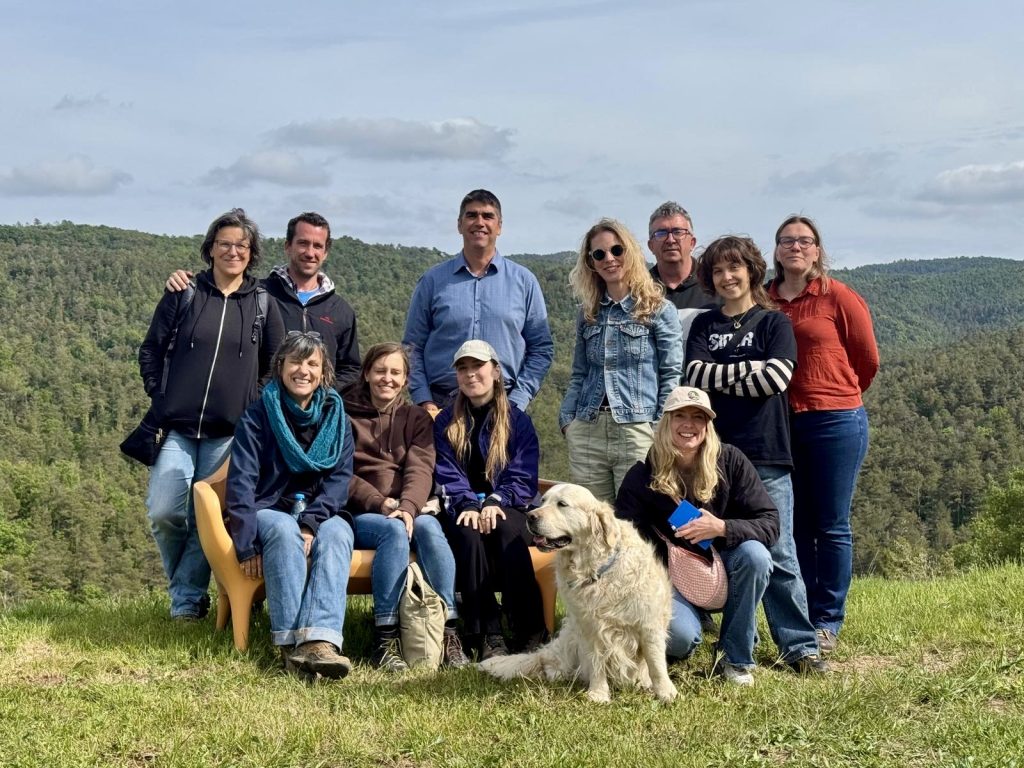
One of its members, Solveig Andresen, explained that although many women own forests, they remain underrepresented in traditional forestry structures. The association aims not only to increase visibility and leadership, but also to create a supportive community for shared learning and collaboration.
During earlier training sessions organized by the Forest Ownership Centre, around 100 women attended workshops on developing forest management plans – a sign that interest and engagement are growing quickly. Several participants assumed that women may be more likely to approach forest ownership from perspectives centered around care, sustainability, and long-term stewardship rather than extractive models and principles.
At the same stop, Jordi Tarradas from the Federation of Forest Owners’ Associations Boscat highlighted the importance of local collaboration more broadly. For many small forest owners, individual management is economically impossible. Associations allow them to share knowledge, coordinate fire prevention efforts, and strengthen their political voice.
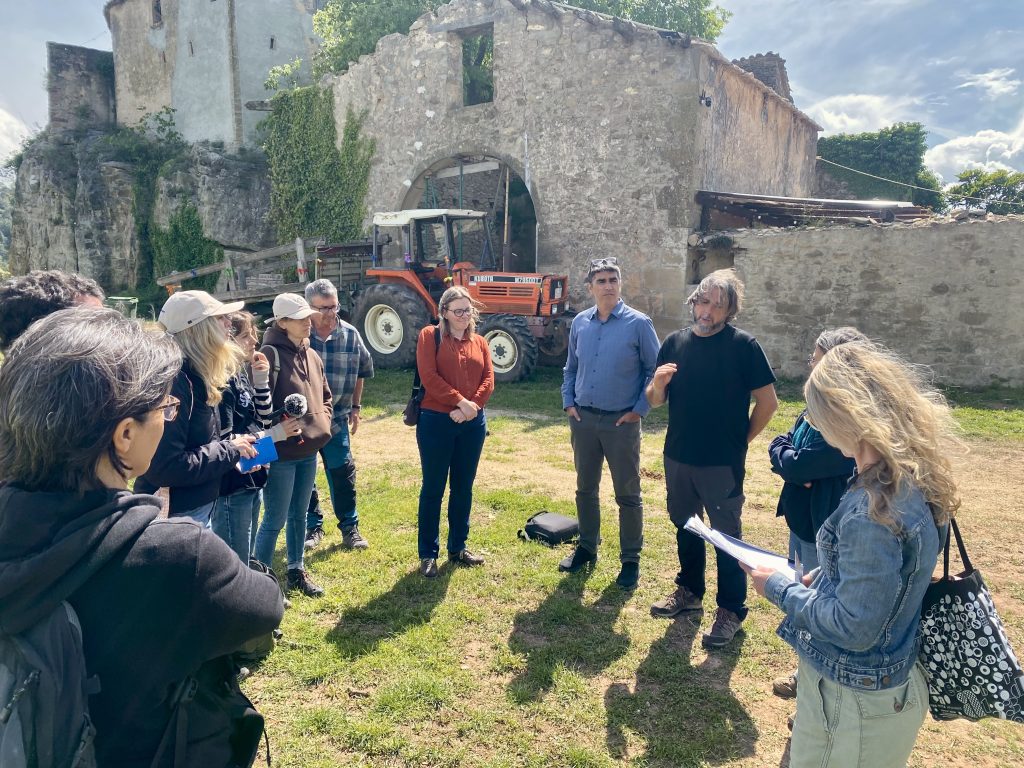
New forest owner Carlos Cortés, who only recently bought a forest area of 120hectares, indicated that he is looking into different funding sources, and that he is grateful for the guidance of the Associations. His passion for his property became clear when he said: “I have heard a call from the land and that’s why I have bought it”. His primary goal is to increase the resilience of the forest and to maintain it for future generations, similar to the other forest owners who have joined our trip.
Managing land for production and fire prevention
Throughout the day, wildfire remained a recurring theme. In Mediterranean landscapes, fire prevention cannot rely only on what happens inside forests. It also depends on agriculture, grazing, and maintaining mosaic landscapes that slow the spread of fire.
Our final stop at St. Miquel d’Oló Farm brought these ideas together beautifully. Surrounded by vineyards, pasture, and woodland, participants discussed how agricultural and forestry practices can reinforce each other.
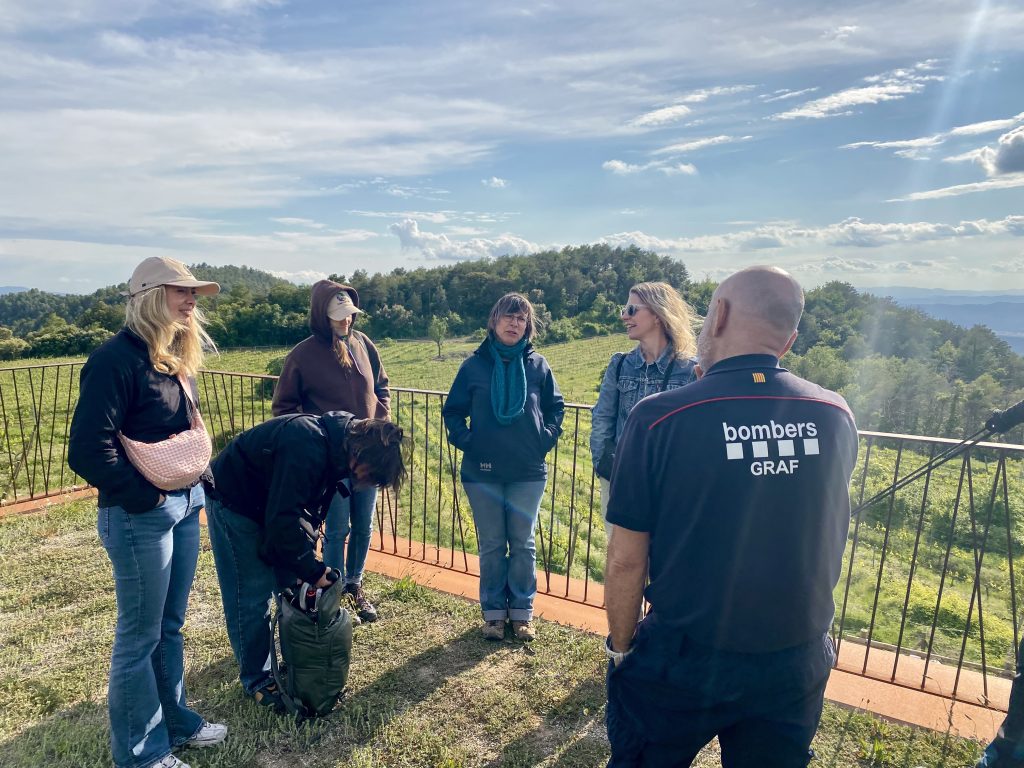
Asier Larrañaga, sub-inspector of the forest fire brigade and fire analyst, presented new approaches to landscape-level fire prevention, emphasizing the importance of collaboration between forestry and agriculture. Grazing, vineyards, and strategically managed forest areas can all contribute to more fire-resilient landscapes.
Winegrower Oriol Garriga offered a deeply personal perspective. When he and his family bought the property in 2013, they restored the house and planted vineyards using ecological farming methods. Yet fire risk remains his biggest concern.
For Oriol Garriga, maintaining people on the land is essential – not only for local economies, but also for socio-ecological resilience. Landscapes become vulnerable when they are abandoned. Producing and consuming local products, he argued, is part of sustaining both communities and ecosystems.
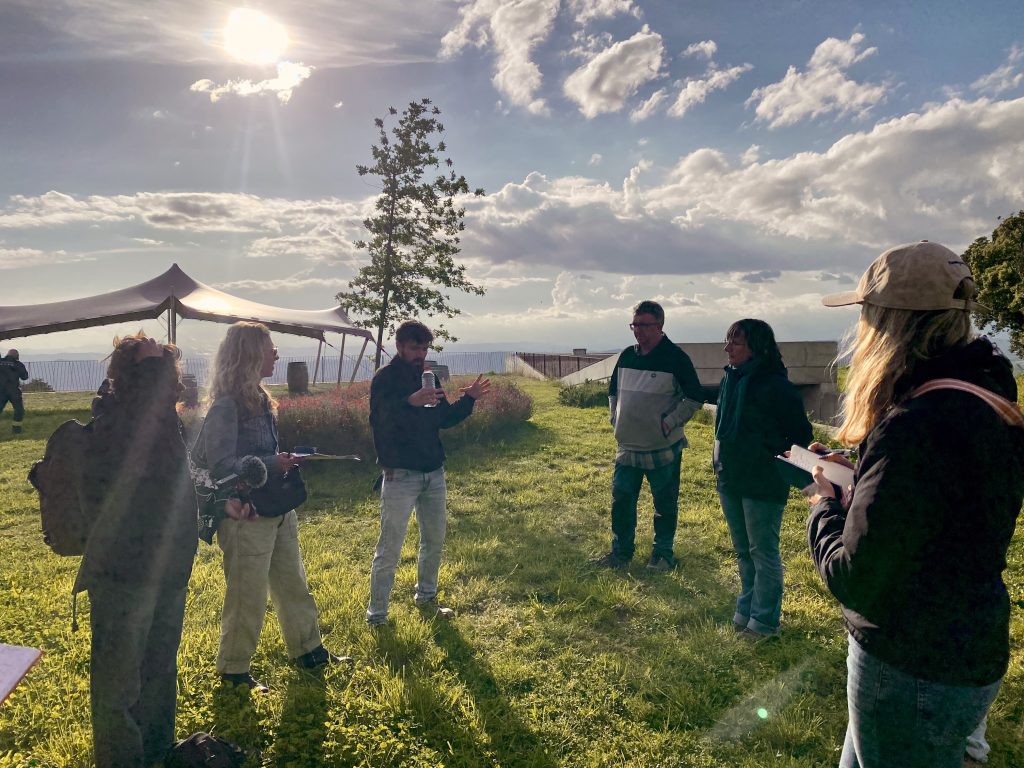
As the day ended and participants gathered overlooking the landscape, one thing became increasingly clear: the future of Mediterranean forests will not be shaped by forestry alone. It will depend on cooperation between scientists, forest owners, conservationists, farmers, businesses, policymakers, and local communities.
The Moianès Living Lab does not offer simple answers. Instead, it creates space for experimentation, dialogue, and shared learning in a time when climate change is rapidly reshaping what forests need – and what society expects from them.