
Diversity in Integrative Forest Management: our Satellite Demonstration Areas

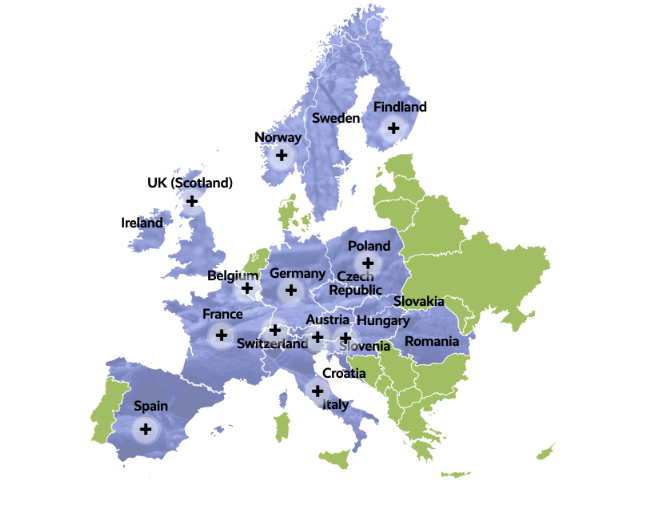
Across Europe, our unique network of TRANSFORMIT Satellite Demonstration Areas (SDAs) is bringing to life the diversity of forests, management traditions, and innovation pathways needed to address climate change. From Mediterranean landscapes to boreal forests and urban green spaces, these selected sites illustrate how locally adapted solutions can contribute to resilient, multifunctional forest systems. The SDAs aim at showcasing several good practice examples of Integrative Forest Management (IFM) across Europe, thus broadening the scope of expertise available and enlarging the IFM Network. These areas are now available on Main – Transformit.
Close to Nature forest management in action
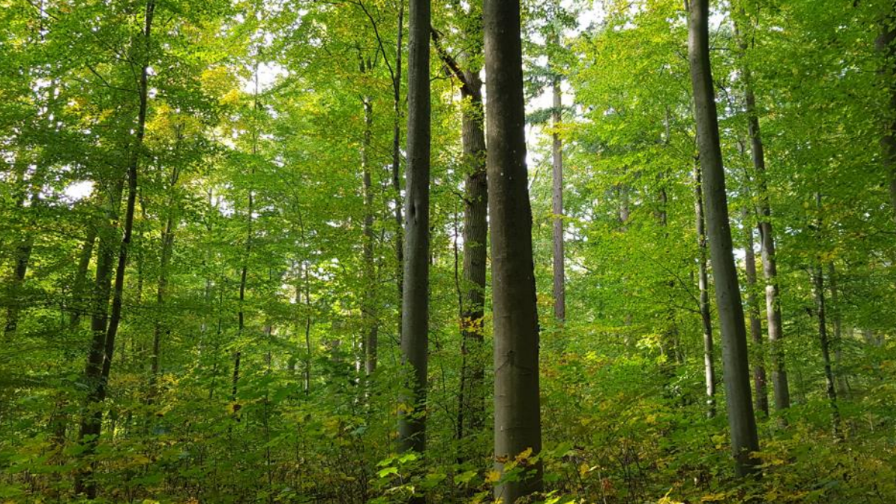
Several German forest enterprises – including Schütt-Frank and Kalebsberg – demonstrate how close-to-nature forest management can build climate resilience. Their approaches emphasise natural regeneration, soil health, balanced wildlife populations, and stable forest microclimates. Together, they highlight a shift away from rigid management towards adaptive, self-regulating forest systems.
Forests for people: urban and social functions
In highly frequented landscapes such as the Kottenforst (Germany), the Sonian Forest (Belgium), and the City Forest of Baden (Switzerland), forests must balance recreation, biodiversity, and cultural heritage. These SDAs show how integrative management can meet societal expectations while maintaining ecological integrity. Innovative approaches like “ecosponsoring” in Switzerland further demonstrate new forms of collaboration between society and forest stewardship.
Multifunctionality across Europe
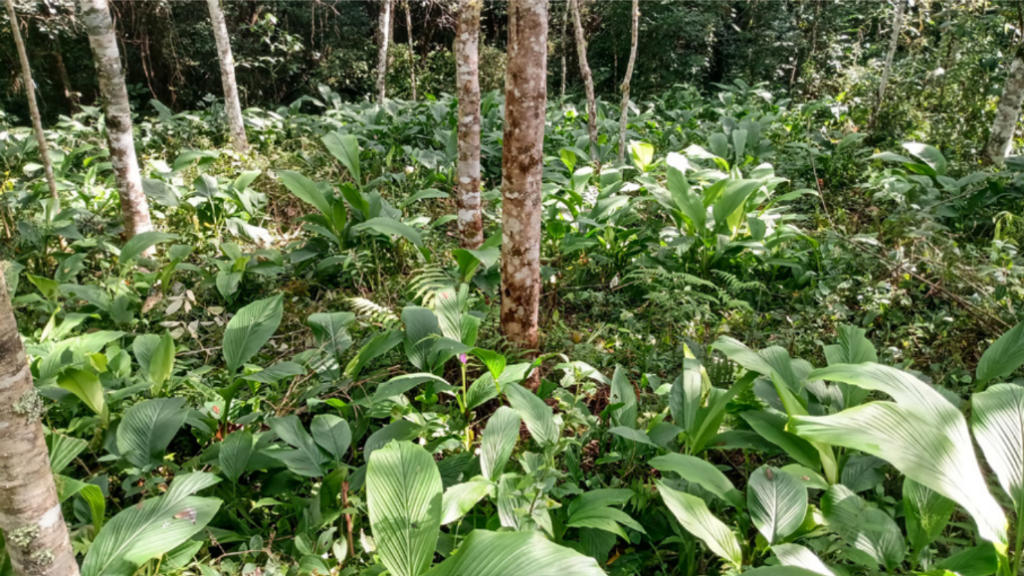
longa) – Abbey St Bathans UK-Scotland Dobie family, Scotland.
From Scotland’s Abbey St Bathans to Slovenia’s Pahernik Forest and Norway’s Vestland region, forests are managed to deliver multiple ecosystem services. While timber production remains important, these SDAs also support biodiversity, cultural values, and education. In Poland’s Woziwoda Forest District, this balance is captured through the principle of “nature protection through moderate and rational use.”
Mediterranean innovation and adaptation
Our Southern Europe’s demonstration areas highlight innovation under climate pressure. In Spain, forests such as Vall d’en Bas and Ribera Salada explore how to combine biodiversity conservation with high-quality wood production, while others integrate fire as a natural and necessary management component. In Italy and France, sites like Val di Susa, Pratomagno, and Hèches focus on multifunctional forestry – balancing production, protection, and long-term ecosystem resilience in the face of climate change and biodiversity loss.
Forests for research and education
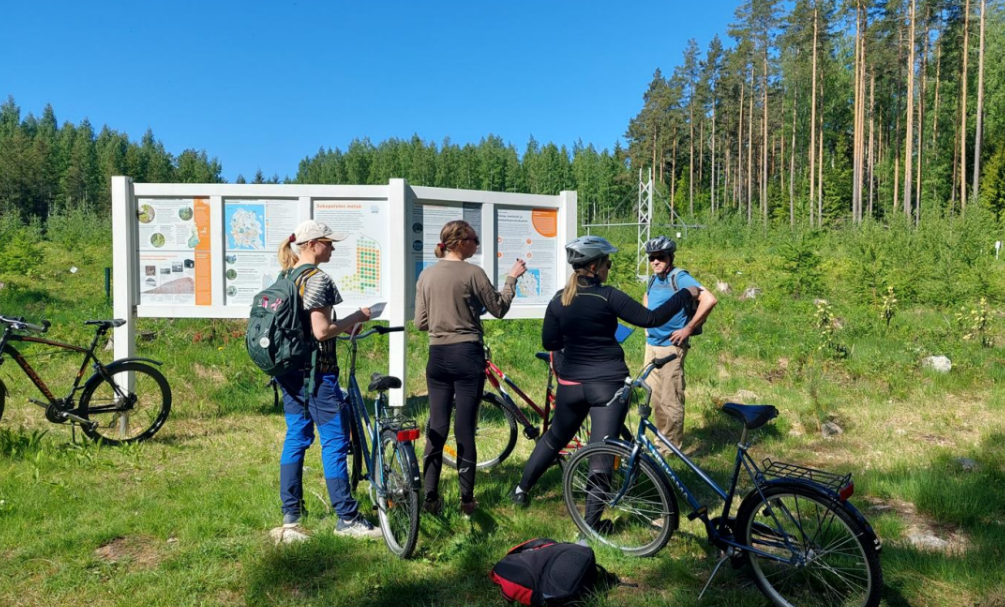
Some demonstration areas serve as centres for research and education, such as the Punkaharju Research Park in Finland, the University Forest Enterprise in Zvolen, Slovakia, and Universitätsforstamt Sailershausen in Germany. These sites connect science, practice, and society, ensuring that forest management is continuously informed by evidence and innovation.
By connecting these sites, TRANSFORMIT creates a living network of knowledge and practice, demonstrating that there is no single solution to climate and biodiversity-related challenges but many locally grounded pathways that, together, shape a more sustainable future for Europe’s forests.