
“Deadwood is for the bugs”

How Zagreb’s urban and protected woodlands inspire the future of forest management
Blog post by: By Gesche Schifferdecker, Silvester Boonen, Marija Majnarić, Martina Kičić
Nestled between city streets and hiking trails, Zagreb’s forests are more than pockets of green – they are living laboratories where tradition, innovation, and public interest meet. From dense urban groves to protected parklands, a recent field visit to our TRANSFORMIT Zagreb Living Lab offered a glimpse into how foresters and scientists are tackling the complex challenges of regeneration after disturbances, biodiversity protection, forest monitoring via innovative technology, and community engagement in today’s evolving landscapes.
Over the course of the program, participants toured the urban forests of Tuškanac, Zelengaj, Dotrščina, and Maksimir, as well as the management unit “Sljeme-Medvedgrad Forests” in Medvednica Nature Park. Though different in setting and scale, each site told a compelling story of challenges faced with climate, forest management goals and diverse interest groups – and together, they revealed how local approaches can contribute to global solutions for forests and people, particularly in urban areas.
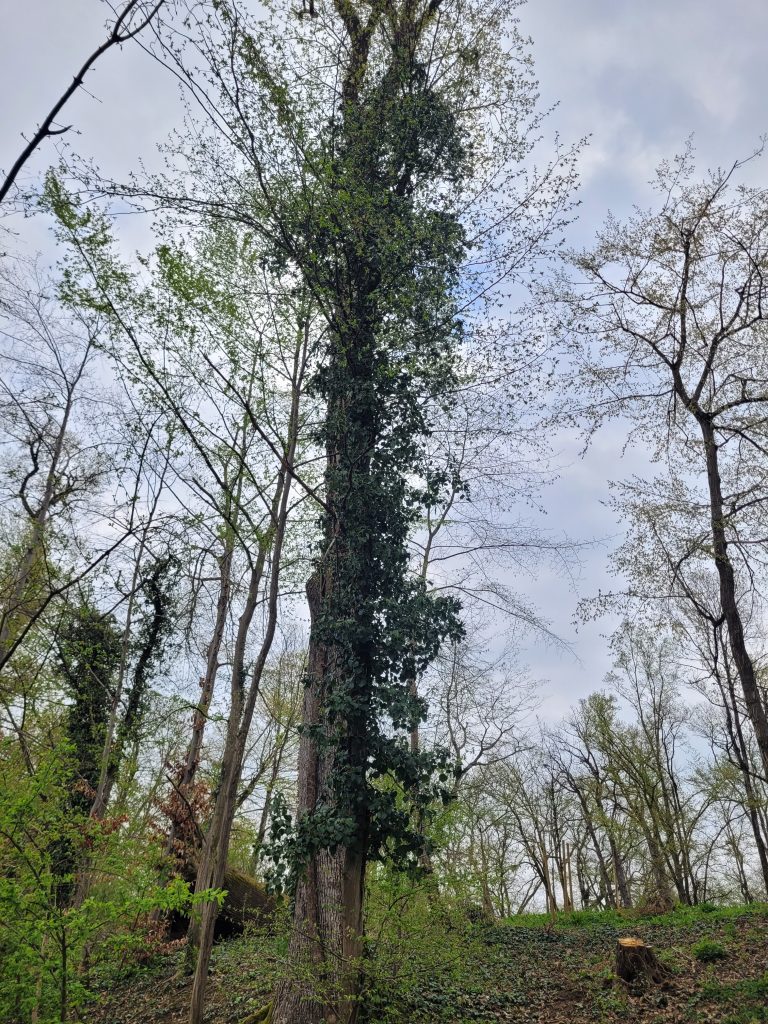
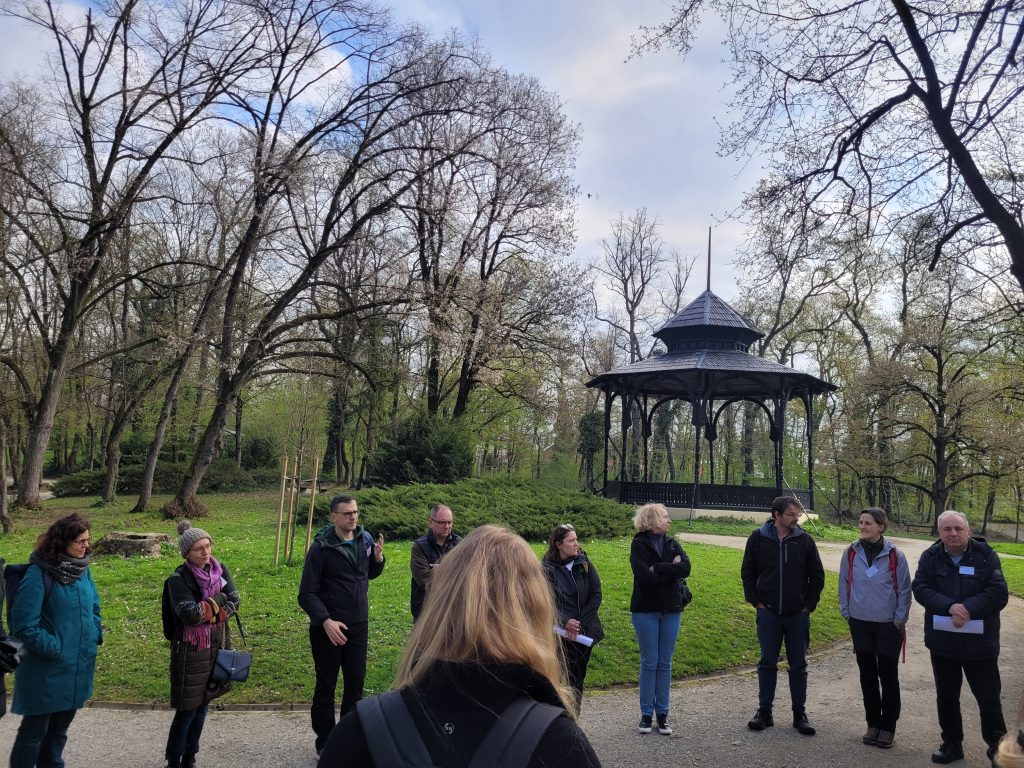
City Roots: Regeneration Amid the Urban Pulse
The journey began in the heart of Zagreb, where centuries-old forests like Tuškanac and Zelengaj weave quietly through the city center. Here, the challenge is twofold: restoring damaged ecosystems while earning – and maintaining – the trust of a sceptical public.
At the forest’s edge, participants were welcomed by experts from Croatian Forests Ltd. and the City of Zagreb. Their story? A long, careful process of reforesting areas hit by storm damage and tree aging, all while involving local communities in each step. “This isn’t just about trees,” said one representative. “It’s about people’s perception of trees – what they mean in an urban context.”
That sentiment was especially clear at Krležin Gvozd, where regeneration efforts began 15 years ago. Foresters didn’t just plant new life – they worked hand-in-hand with residents, addressing concerns and dismantling the common fear that tree cutting signals the start of construction work. Through transparent communication and tailored silvicultural techniques, they turned scepticism into stewardship.
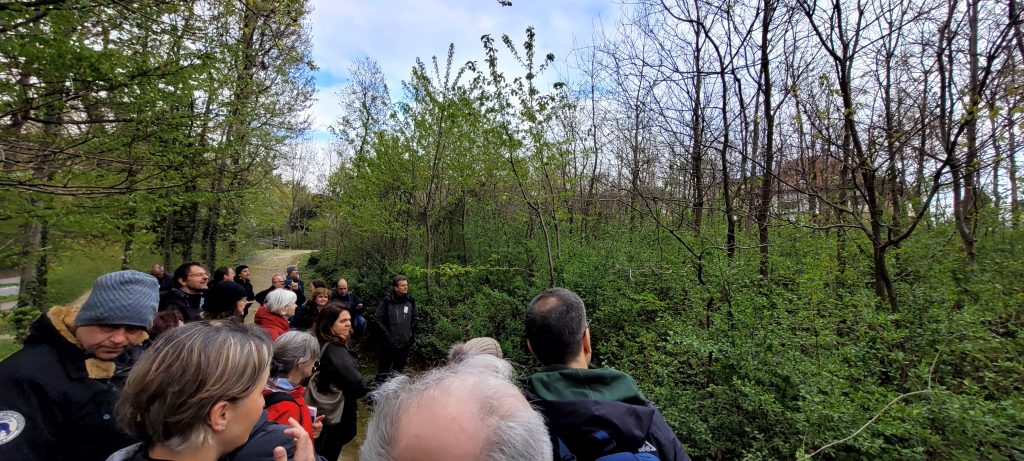
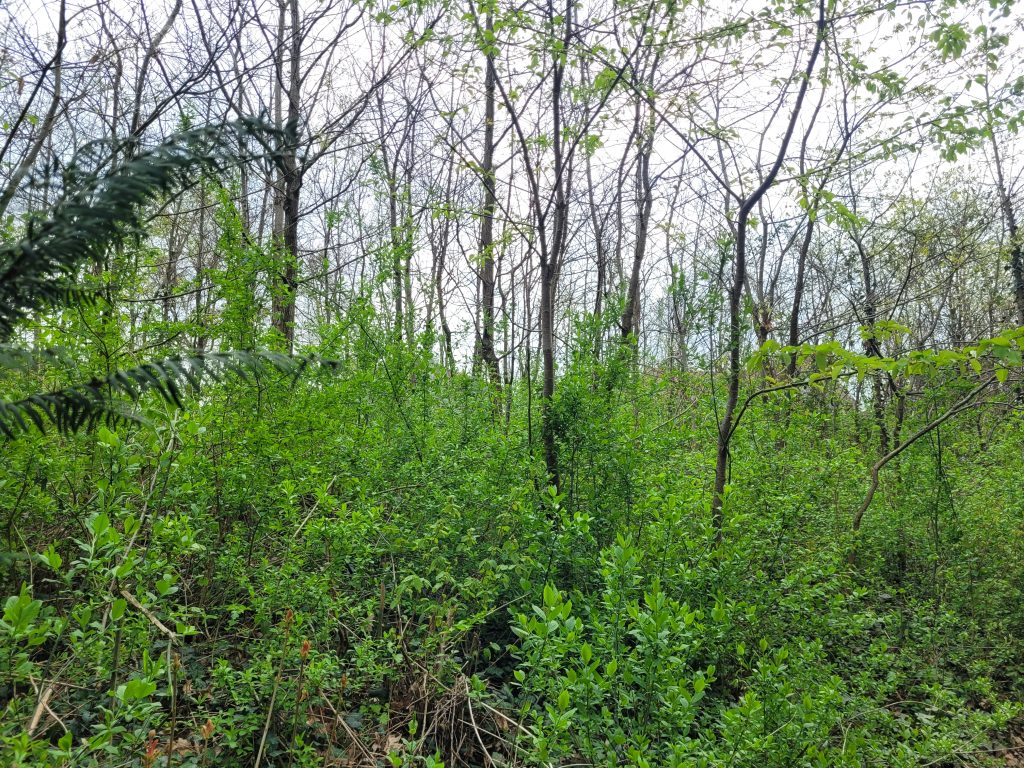
Windthrown but Not Forgotten: Lessons from Medvednica
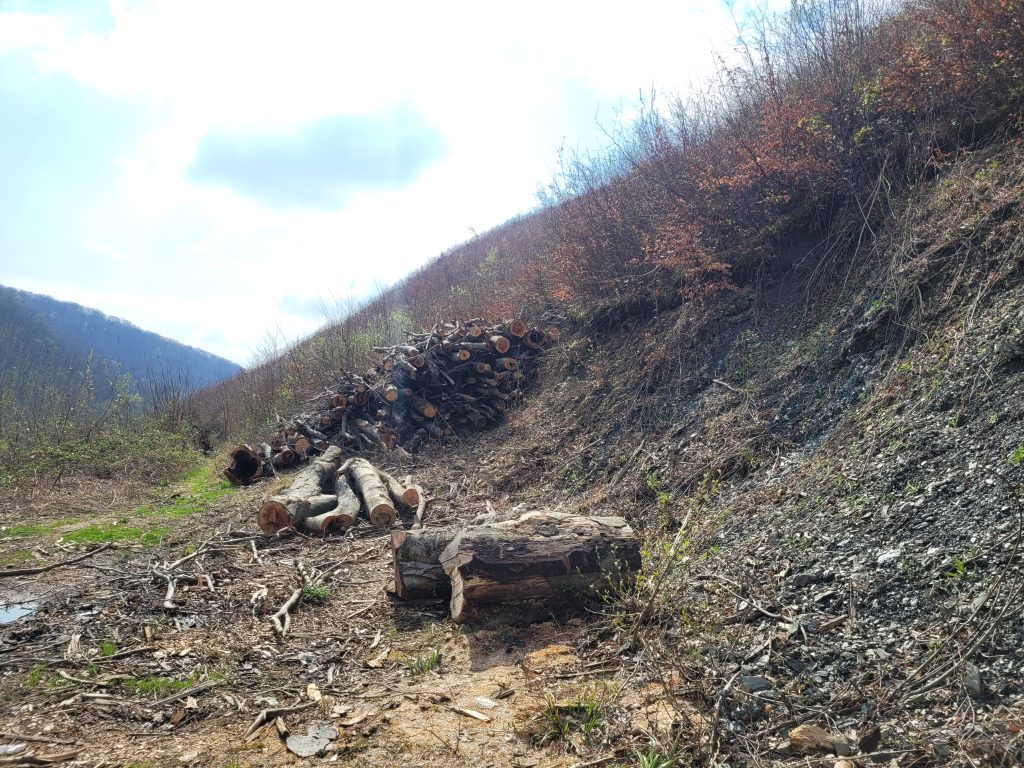
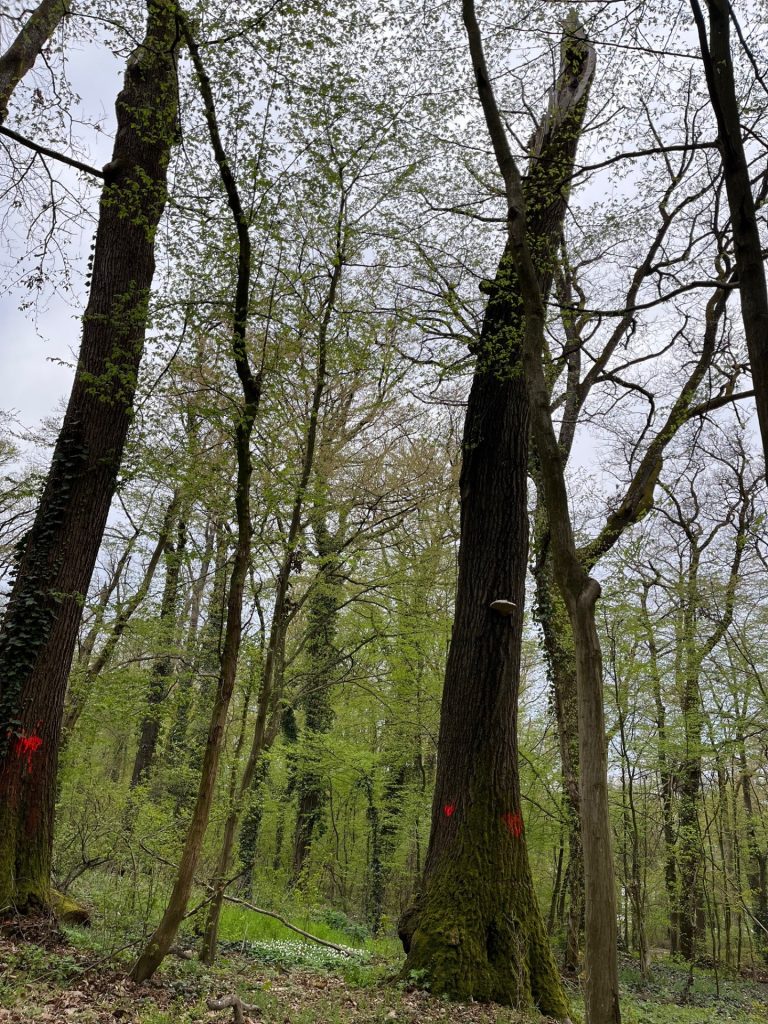
Up the slopes of Medvednica Nature Park, another story unfolded—one of destruction and renewal. In 2013, fierce winds tore through this protected area, uprooting trees and unsettling the local ecosystem. But the forest fought back. Today, thanks to strategic management by Croatian Forests Ltd. and the Public Institution Medvednica Nature Park, large swaths of forest are regenerating naturally.
This regeneration, however, isn’t without controversy. In Natura 2000 areas, any forest management plan – including harvesting – requires approval from nature conservation authorities. This regulatory oversight, while critical for biodiversity, has also led to delays and uncertainty, especially in post-disturbance situations.
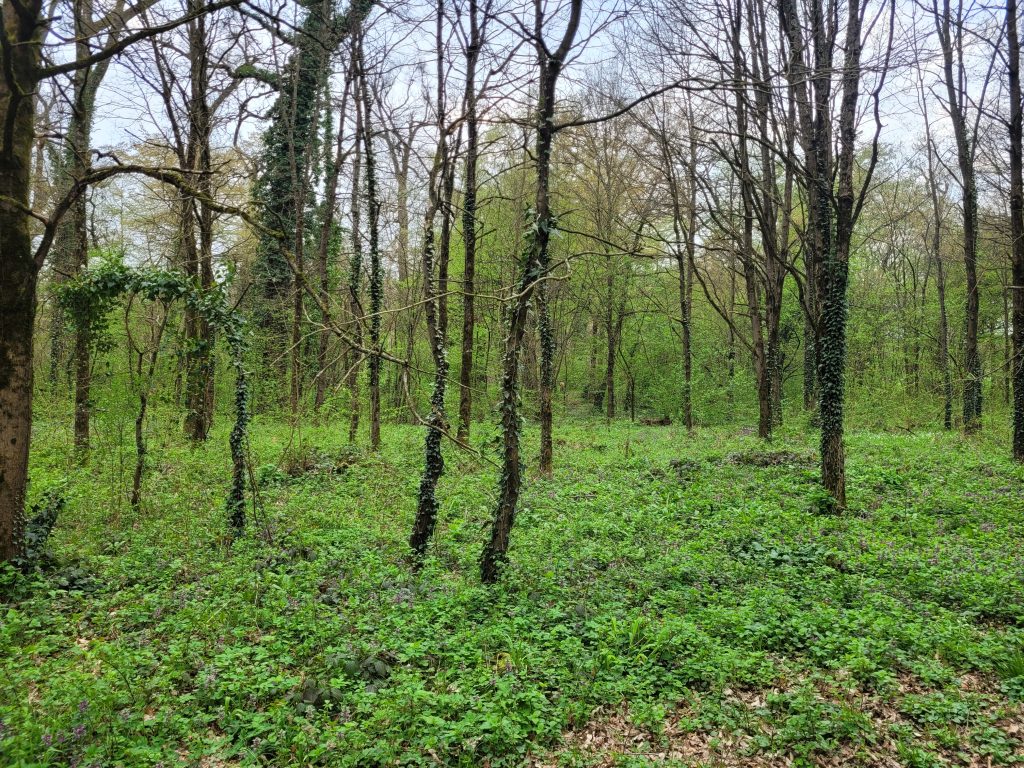
Natural regeneration on steep slopes, often dominated by beech, raised concerns among excursion participants about how these forests will cope under mounting climate stress. For now, local managers are choosing to observe and monitor rather than intervene prematurely – hoping that they are still seeking the best adaptive management strategies in an increasingly unpredictable environment.
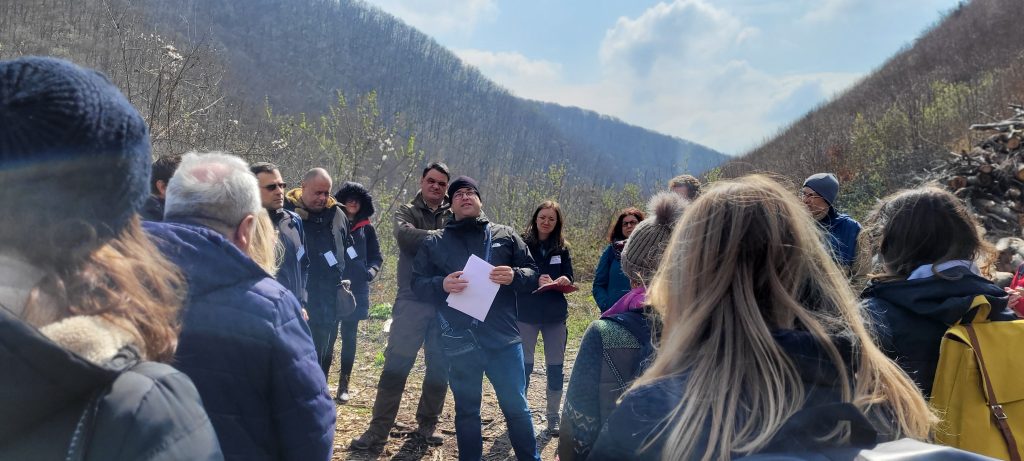
Participants hiked through these recovering zones, guided by experts like Martina Belović Kelemen and Hrvoje Brnica, who shared how Integrated Forest Management (IFM) is being applied in protected, heavily visited areas. With over a million visitors each year, Medvednica faces the dual challenge of ecological preservation and public use.
Digital Forests: Technology in the Trees
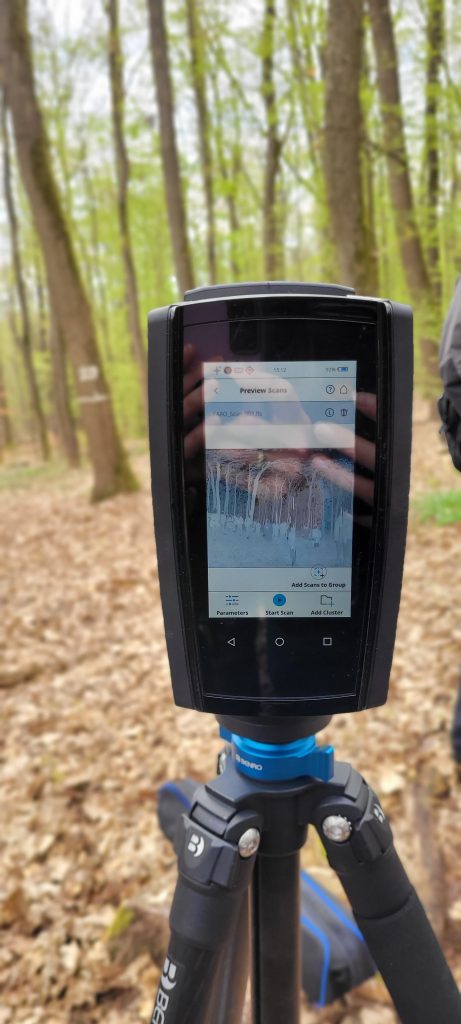
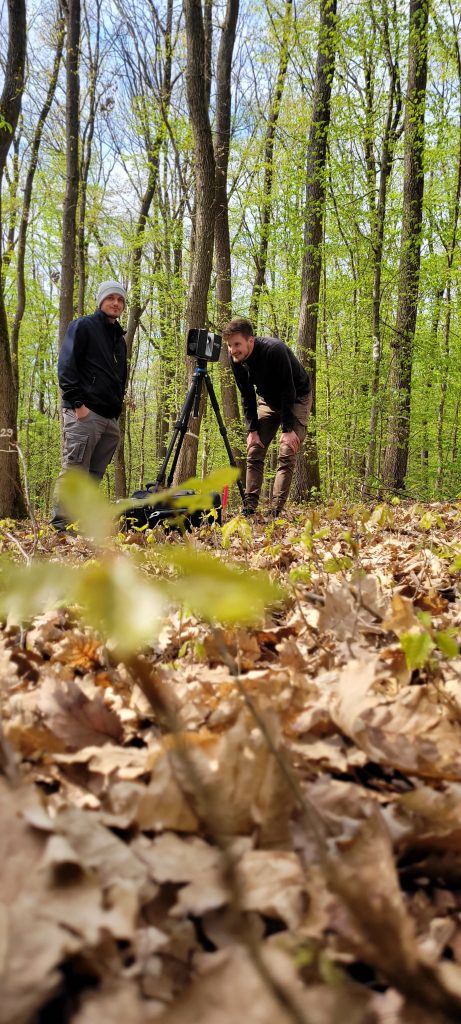
The next stop was Dotrščina Urban Forest, where tradition met technology. Here, scientists from the Croatian Forest Research Institute unveiled how Terrestrial Laser Scanning (TLS) is reshaping forest management. Two types of TLS are currently in use: a static laser scanner with a 150-meter range that performs a full 360-degree sweep over a set period (often up to two hours), and a second, mobile handheld scanner used to complement this data.
Using both handheld and stationary devices, researchers generated 3D “point clouds” of the forest, capturing data on tree structure and density with remarkable precision. Dr. Ivan Balenović and his team explained how this data can inform decisions about thinning, planting, and recreation management. The forest, heavily used by locals for leisure, must balance ecological needs with human enjoyment. Thanks to decades of financial support from the City of Zagreb and implementation by Croatian Forests Ltd., such harmony is not only possible – it’s thriving.

Maksimir Park: Deadwood is for the bugs
The final chapter of the field visit unfolded in Maksimir Park, Zagreb’s most beloved green space and a cultural and natural heritage site. Though not formally part of the Living Lab, its inclusion underscored an essential lesson: successful forest management is as much about communication as it is about conservation.
Here, Irina Zupan from the Public Institution Nature of the City of Zagreb and Ante Pejić from the Working Unit Urban Forestry of Croatian Forests Ltd. shared the complexities of managing a park visited by thousands daily. The focus? How to bridge the gap between forestry and nature protection through open dialogue and shared goals.
The park’s management emphasizes collaboration between nature conservation authorities and Croatian Forests to balance a trio of goals: cultural heritage preservation, biodiversity conservation, visitor safety, and climate change adaptation: after a major windstorm some years ago, forest restoration included planting nursery-grown trees – some sourced from abroad – to ensure genetic diversity and resilience.
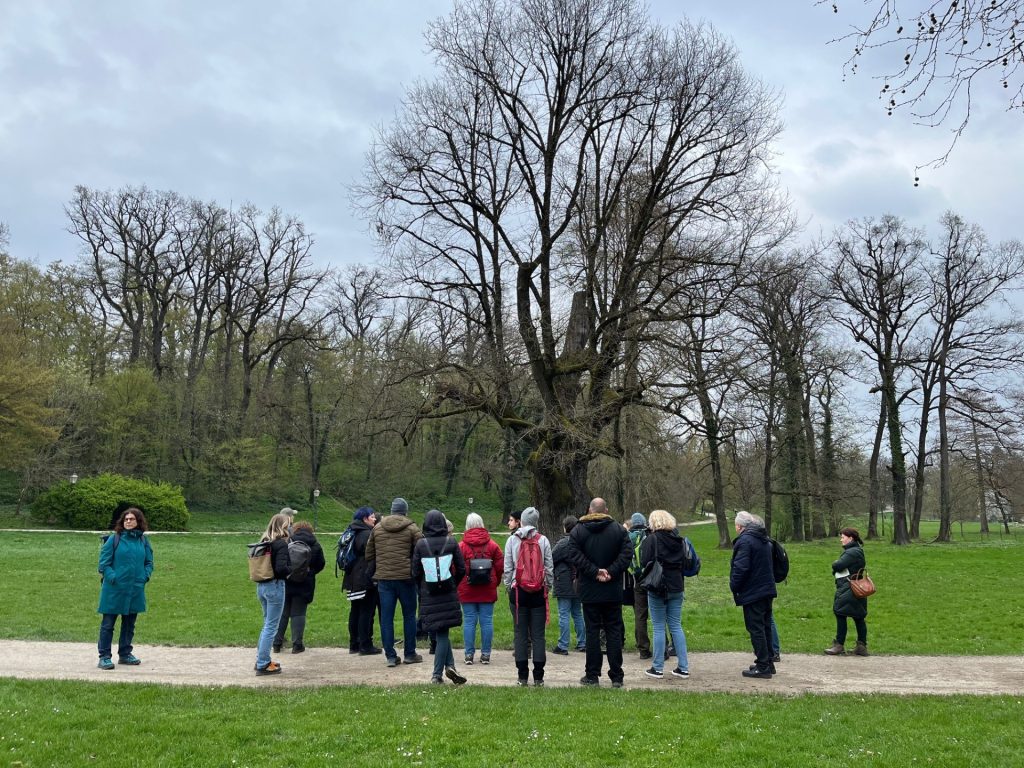
Biodiversity remains a hallmark of Maksimir. With over 1,000 recorded species, including rare woodpeckers, the park is home to some of the city’s oldest known trees – for example a 250-year-old Quercus robur, confirmed by counting its rings. Nearby, the legendary “Grandpa Tree,” believed to be around 600 years old, stands as a living monument to resilience.
As emphasized by Irina Zupan, biodiversity protection also requires an ongoing dialogue between forest and nature conservation – exemplarily shown around the issue of deadwood. With a smile on her face, she mentioned that forest managers call the people in charge of nature conservation “bugs” – with a bit of irony of course, because they sometimes feel bothered by their requests. However, through an ongoing exchange and increased collaboration there is a broad awareness of the advantages of both standing and lying deadwood for a rich biodiversity in the forests. That’s why current forest managers like Ante Pejić promote leaving deadwood in the forest, with the comment “deadwood is for the bugs”.
Despite the good collaboration in terms of forest and nature protection management, modern challenges persist. Invasive turtles, likely released by citizens, have begun to disrupt aquatic habitats along the lakeside, while a resident beaver has made its home in the fifth lake – welcomed as a beneficial part of the forest ecosystem.

A Forest Future Forged in Partnership
From the quiet trails of Tuškanac to the lively paths of Maksimir, the Zagreb Living Lab is more than a series of sites – it’s a blueprint for sustainable, people-centered forest management. The common thread across all locations was clear: community matters. Whether through clear communication, participatory planning, or cutting-edge research, the forests of Zagreb are showing that resilience grows stronger when it’s rooted in collaboration.
As the day’s journey came to a close, one thing remained certain: managing forests in the 21st century means more than managing trees. It means listening – both to nature, and to the people who live alongside it.
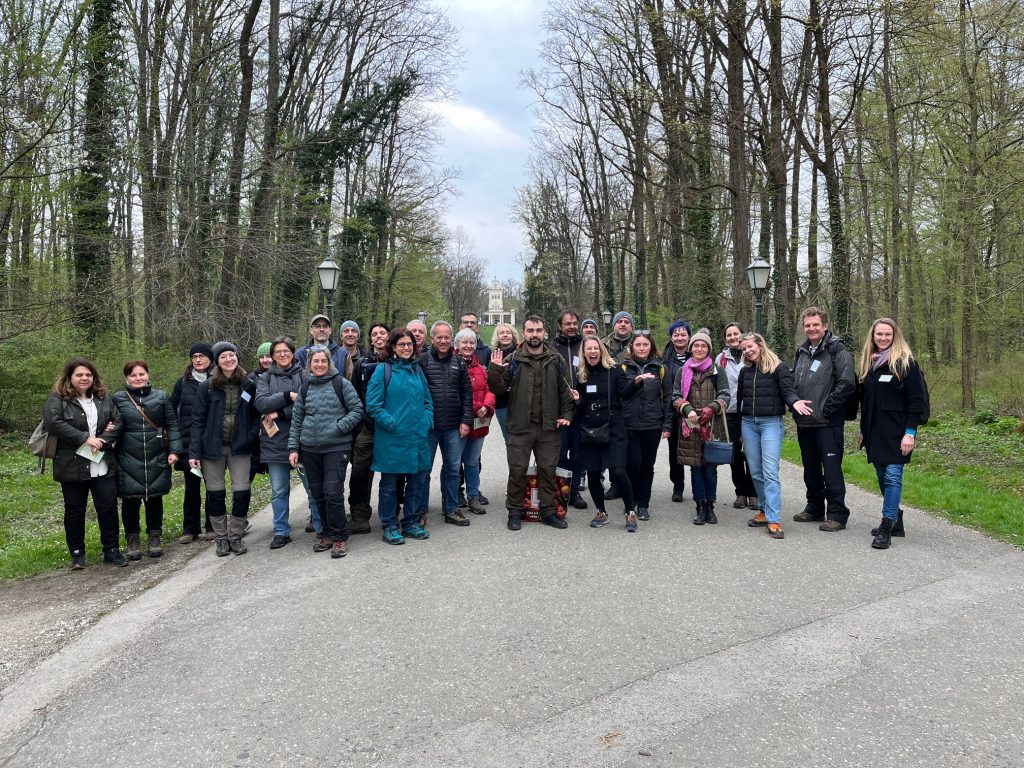
Photo credits: Photos by Katharina Freund, Gesche Schifferdecker & Silvester Boonen