“This is a fully automated machine translation. The quality and accuracy of machine translation can vary from one text to another and between different language pairs. TRANSFORMIT website admins do not guarantee the accuracy of the translation and accept no liability for possible errors. Please refer to the original text in its original English version if there is any doubt. Some content (such as images, videos, files, HTML links and acronyms) may not be translated or may be inaccurate due to the technical limitations of the system.”
What happens when a new approach to understanding forest biodiversity moves from the training room into the forest itself? In Našice, Croatia, participants from forestry and nature conservation came together to find out.
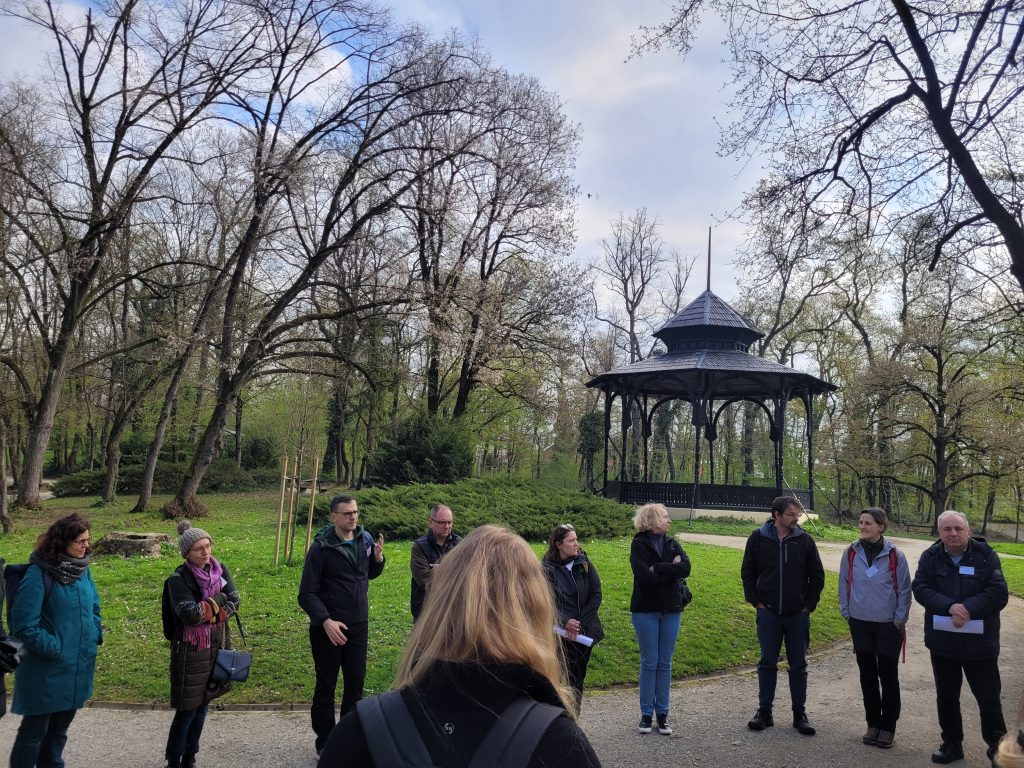
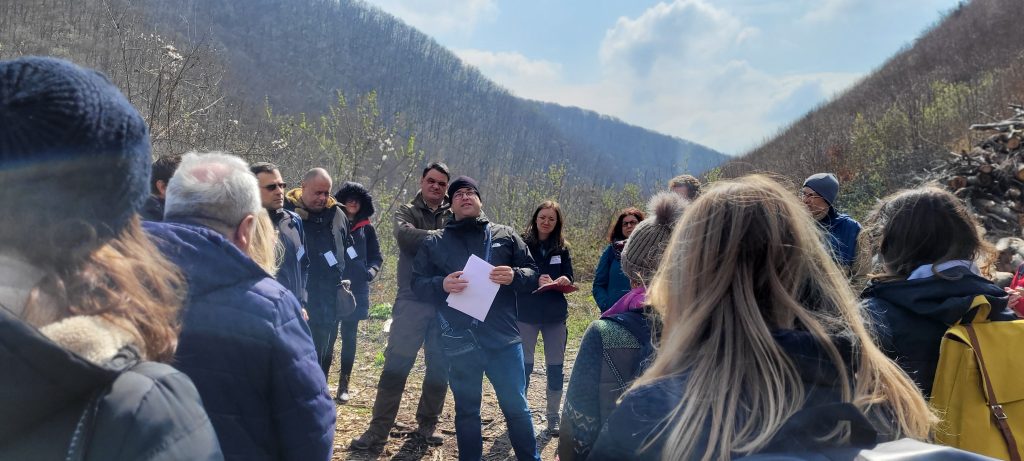
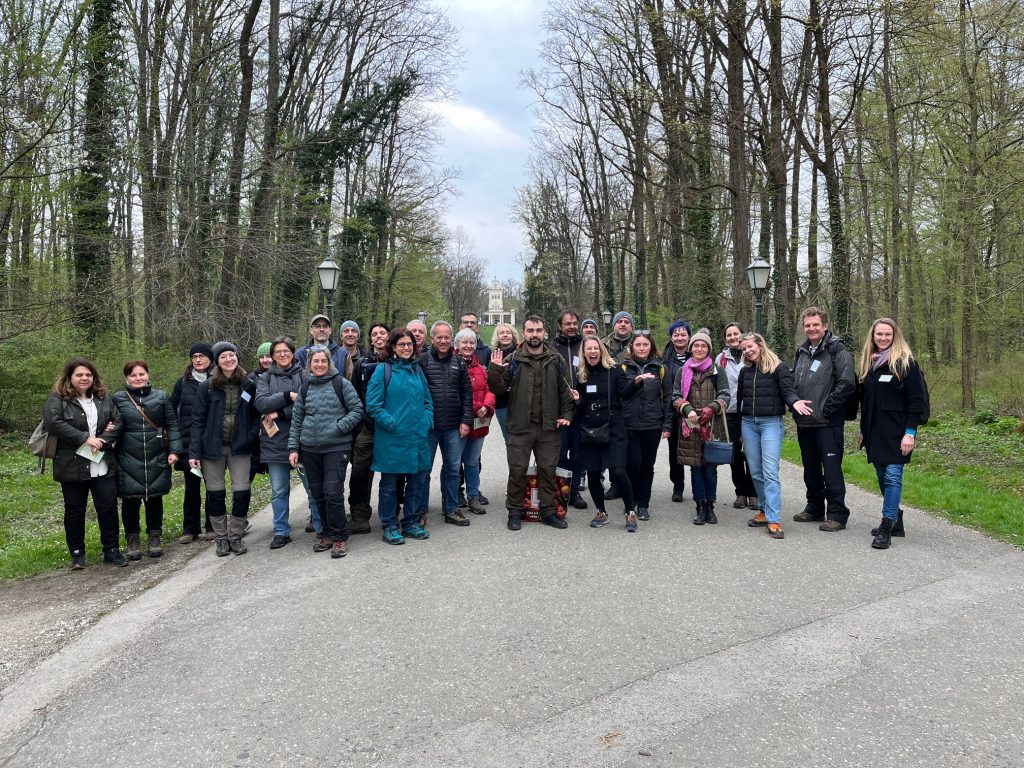
On 24 September, the first national Integrative Biodiversity Potential (IBP) workshop in Croatia brought together 19 experts from different organisations and backgrounds. The workshop was organised by the Croatian Forest Research Institute and Unique Forests Ltd., which represents the Croatian Satellite Demonstration Area (SDA) in TRANSFORMIT.
The workshop built directly on the IBP train-the-trainer event in Binzen, Germany, where five Croatian trainers had learned how to introduce the methodology to colleagues and stakeholders at national and local level. Now, it was time to put that knowledge into practice.
Learning to see the forest differently
The day began at the premises of Unique Forests Ltd., where participants were introduced to TRANSFORMIT and the IBP methodology. Martina Kičić from the Croatian Forest Research Institute explained the different factors used to assess the biodiversity potential of a forest.
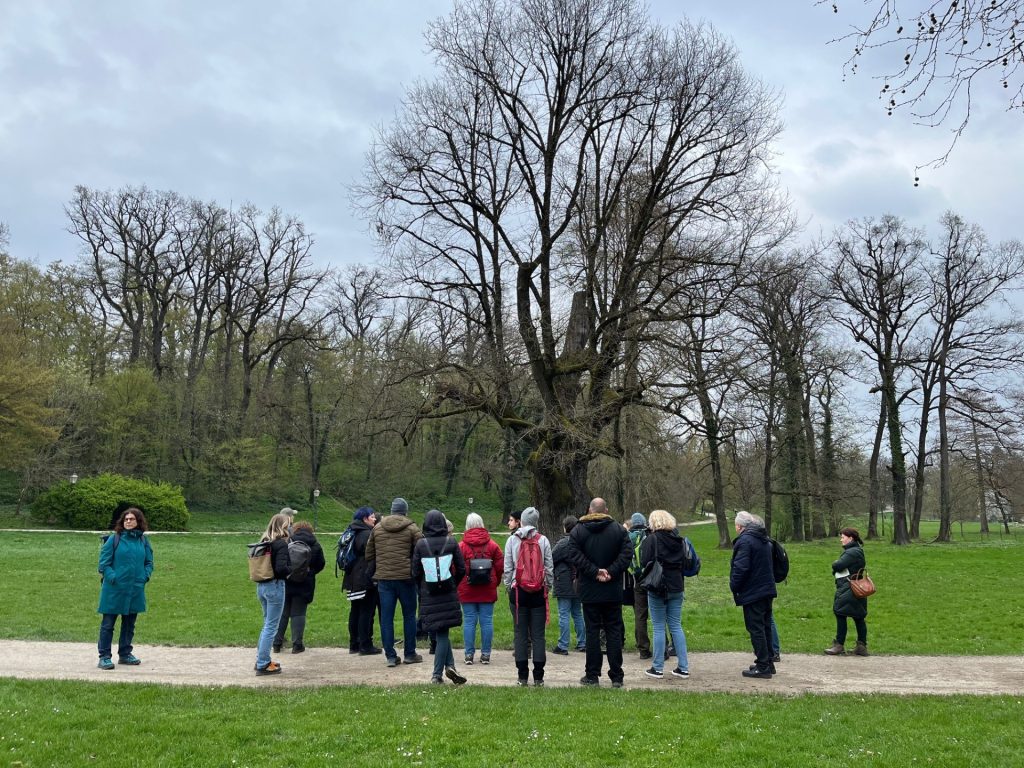
But the real learning started when the group left the meeting room and headed into a nearby forest.
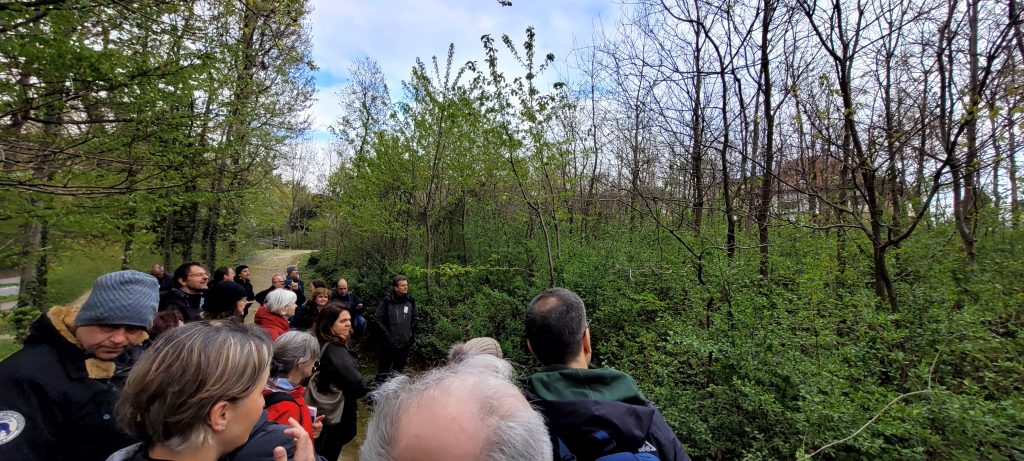
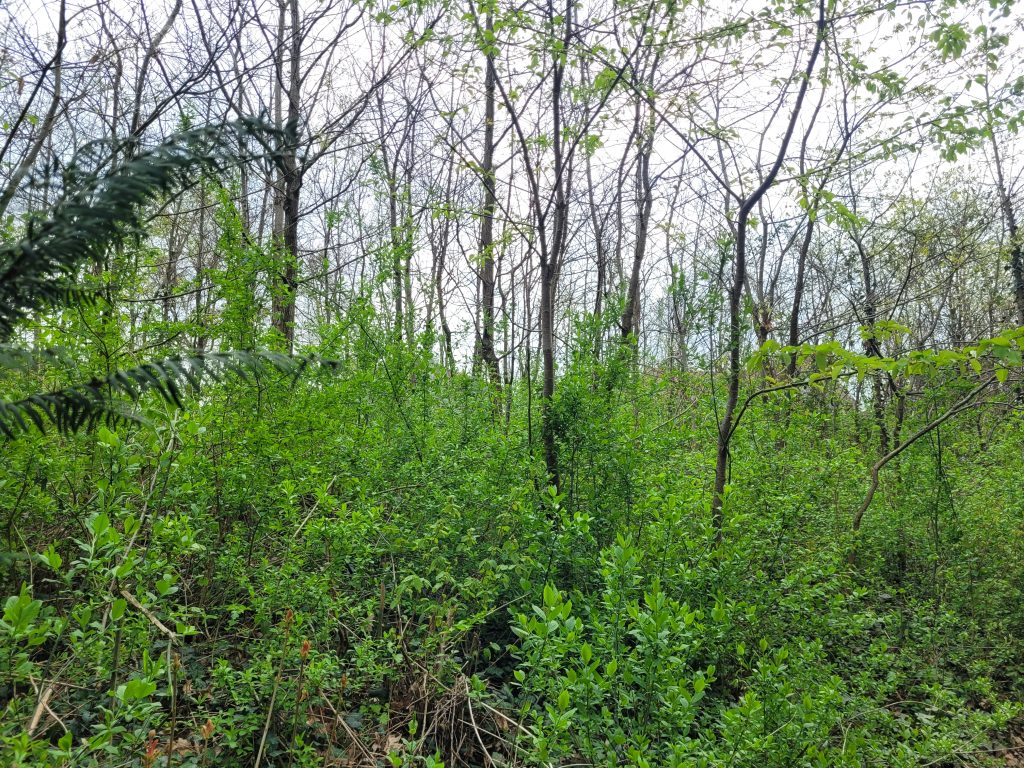
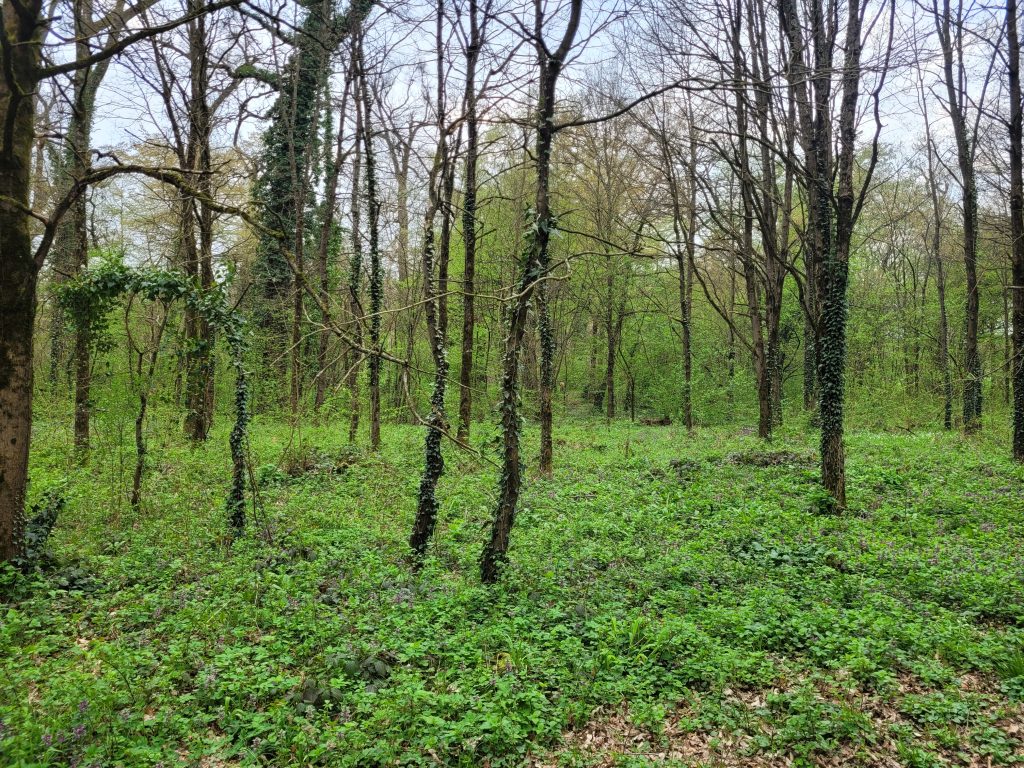
Together with trainers Martina Kičić and Karmen Vugdelija, participants worked through the IBP factors in the field, discussing what to look for and how different features of the forest contribute to its biodiversity potential. They then had the opportunity to carry out their own assessments on two selected plots.
This hands-on approach sparked lively discussions throughout the day. Participants brought perspectives from forest management, protected area management and nature conservation, creating an opportunity to explore how the methodology could be useful across different parts of the forest sector.
From a workshop to future cooperation
The workshop brought together representatives of Croatian Forests Ltd., Unique Forests Ltd., the Public Institution for the Management of Protected Areas and Other Protected Natural Values in the City of Zagreb, and the Public Institution Nature Park Žumberak–Samoborsko gorje, alongside experts from the Croatian Forest Research Institute.
This mix of perspectives was one of the workshop’s strengths. Rather than simply introducing a new assessment method, the day created space for participants to exchange experiences, ask questions and consider how IBP could be applied in the Croatian context.
It also highlighted the wider value of the TRANSFORMIT network. The collaboration between the Croatian Forest Research Institute and Unique Forests Ltd. grew through TRANSFORMIT activities and provided the foundation for bringing the IBP methodology to a wider group of Croatian stakeholders.
From training trainers to assessing forests together, the first national IBP workshop marks an important step towards making biodiversity a more integrative part of forest management in Croatia.
What if a forest that looks dead is actually the beginning of something new?
On 1 October 2026, we invite journalists to travel to Czechia to investigate how Europe’s forests are changing — and to question some of the assumptions we have about what a healthy forest should look like. Across Central Europe, forests are being transformed by bark beetle outbreaks, powerful windstorms and prolonged drought. The result can be dramatic: vast areas of damaged or dead trees that appear, at first glance, to be landscapes of destruction.
But the story may be more complicated.
Some disturbed forests are becoming the starting point for new ecosystems. And as climate change alters forests across Europe, researchers and forest managers are reconsidering a fundamental question: Should we intervene — or let nature take its course?
Velká Bíteš site Bark beetle damage in Velká Bíteš site
Get into the forest As part of a study trip at the SDA Velká Bíteš site in Czechia, participants will walk through forests affected by bark beetle outbreaks and see first-hand how different management approaches are shaping the landscape. Some areas have been clear-cut, while others have been left to regenerate naturally. The trip brings journalists directly into conversation with researchers, forest managers and local stakeholders, offering opportunities to ask questions, challenge assumptions and develop potential stories.
Topics will include: • What actually happens to a forest after a major disturbance? • Are bark beetle outbreaks always a sign of forest degradation? • What can naturally regenerating forests tell us about the future? • How is climate change changing the way European forests are managed? • How can journalists explain environmental change when there is no simple story or single solution?
A reporting opportunity — not just a study visit The aim is not to present one definitive answer about how forests should be managed. Instead, the study trip offers an opportunity to encounter competing perspectives, examine the evidence and hear directly from people dealing with these changes on the ground. Journalists will have access to experts, potential interviewees, first-hand reporting experience and story ideas at the intersection of climate change, science and society. The event is organised by the European Forest Institute (EFI) in collaboration with the Czech University of Life Sciences Prague (CZU) and local partners as part of the EFI-coordinated TRANSFORMIT project. Travel funding is available to support participation, including for freelance journalists — we only need a short email why you are interested. Reach out to gesche.schifferdecker[AT]efi.int for more information.
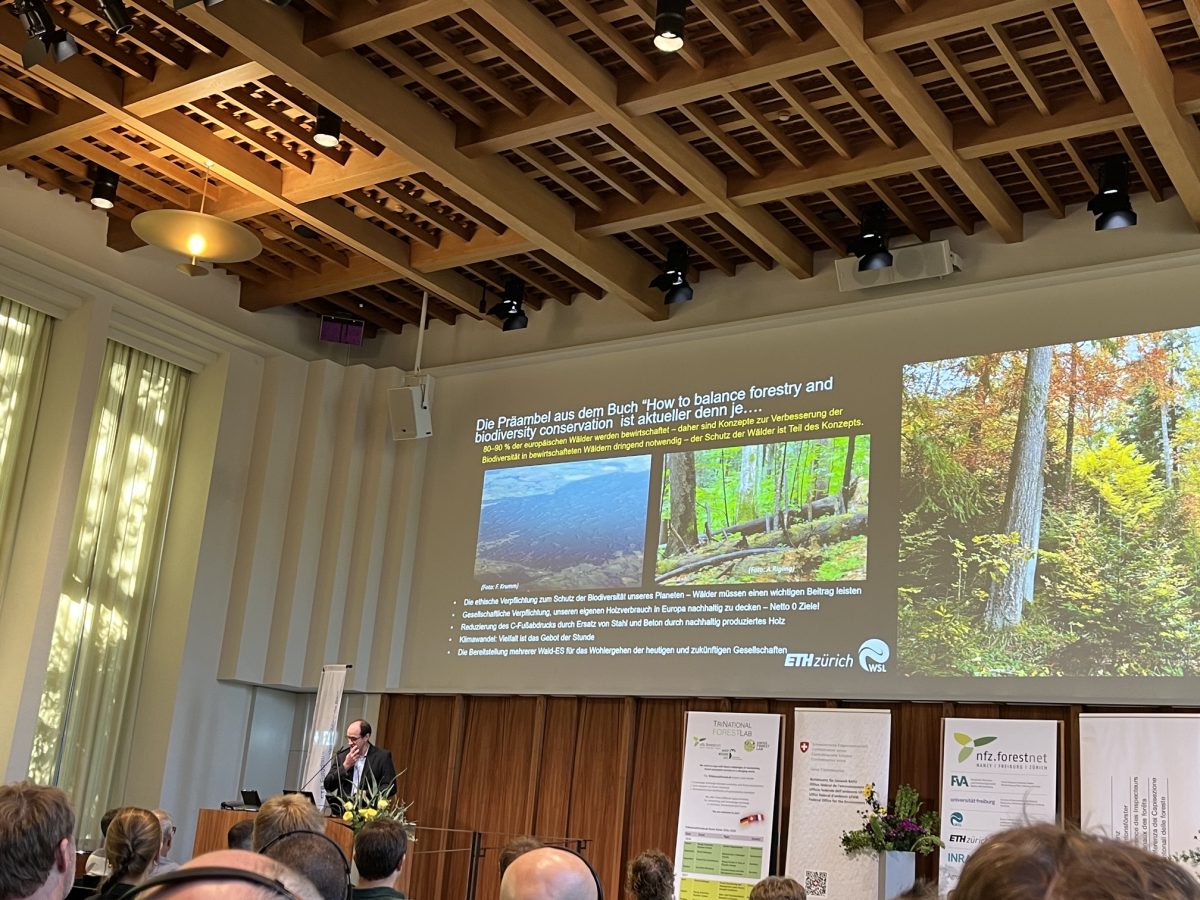
How can biodiversity increase the adaptation capacity and resilience of forests that are also managed for wood production? At WaldDialog – Forest Dialogue – Dialogue Forestier 2026, this question brought together forest scientists, practitioners, policymakers, forest owners, communicators and administrators from Switzerland, Germany, France and beyond. On 10 September 2026, we all gathered at the University of Basel to explore what this means for forests facing increasingly uncertain conditions.
The event, organised by the TriNational ForestLab, SwissForestLab, the Conference of Cantonal Foresters (KOK) and the Swiss Federal Office for the Environment (BAFU), created a space for something our forests – and we as well – increasingly need: dialogue across disciplines, institutions and borders.
I felt that the urgency of this question was made tangible from the very beginning. As Arthur Gessler (WSL/ETH) emphasized, 2026 marks a turning point. Extreme heat and drought are increasingly visible in forests, with trees such as beech already showing severe stress early in the growing season. Across the Basel region, monitoring indicates that rainfall has been reduced in almost every month, leaving forests under considerable pressure, Gessler emphasized.
A strong argument for diversity
A recurring theme throughout the presentations was that diverse forests are better equipped to cope with climate change and uncertainty. Research presented by Hervé Jactel (INRAE) showed that mixed forests tend to be more resilient to drought, fire and wind disturbance than monocultures. They can also be more productive: mixtures of coniferous and broadleaved species can benefit from complementary traits such as different rooting depths and patterns of water use. However, a specific mixture of broadleaved and conifer species is needed for both forest resilience and productivity, and that mixture needs to be identified. Still, the results are promising, highlighting the potential of diversity to strengthen forests in a changing climate.
Diversity, however, is about more than simply planting several tree species. Genetic diversity within species can provide the basis for adaptation to changing conditions, as Jörg Kleinschmit (FVA) highlighted. The choice of tree species — and potentially the use of assisted migration — therefore needs to be considered alongside the genetic resources available to forests.
At the same time, biodiversity conservation cannot be reduced to tree diversity. Frank Krumm and Martin Gossner (both WSL) highlighted the importance of habitat trees, microhabitats and deadwood. Microhabitats are small, specialised structures such as tree cavities, cracks, loose bark or dead branches that provide food, shelter or breeding sites for many species. Many of these valuable structures are found in or develop from deadwood, making it an important element of forest biodiversity. Around a quarter of forest species are closely dependent on it, while many more benefit from it. Natural forest reserves therefore remain an essential component of biodiversity conservation, particularly for species requiring specialised deadwood structures, Gossner emphasized.
Potential of biodiversity in managed forests
But managed forests also offer opportunities, and this event mainly aimed at exploring these. Instead of viewing biodiversity conservation and forest management as separate worlds, foresters can actively create microhabitats and make use of structures generated by natural disturbances. This is where the concept of “close-to-nature forestry” becomes particularly relevant: working with natural processes rather than against them, while maintaining the multifunctionality of forests.
The practical examples presented during the afternoon demonstrated that these ideas are already being put into practice. Case studies from Switzerland included a presentation by our Living Lab partner Amt für Wald beider Basel, Switzerland, represented by the coordinator of the Living Lab Ueli Meier. Examples from Baden-Württemberg (Germany) and Alsace (France) showed how natural regeneration, species diversification, habitat trees and the retention of surviving trees after disturbances can gradually transform forest composition. In Baden AG, for example, the proportion of broadleaved trees increased substantially over 25 years, supported by a strong focus on natural regeneration.
The discussions also made clear that there are no simple or one-fits-all solutions. Increasing deadwood can create safety challenges for forest workers. Changing tree species can involve economic and ecological uncertainties. Continuous-cover forestry offers structural and species diversity but also faces questions around economic risks and social acceptance. And local conditions matter enormously.
From local conditions to European approaches
This is precisely why this cross-border dimension of Forest Dialogue was so valuable. Drought, heat, pests, biodiversity loss and changing societal expectations do not stop at national borders. Forests may be managed locally, but the challenges they face are European.
The direction of European policy reflects this reality. The EU Biodiversity Strategy for 2030 and the Nature Restoration Law place increasing emphasis on restoring ecosystems, improving biodiversity and strengthening resilience. Yet this does not mean that Europe needs one standardised model of forest management. Instead, European objectives must be translated into approaches that work under different ecological, economic and social conditions.
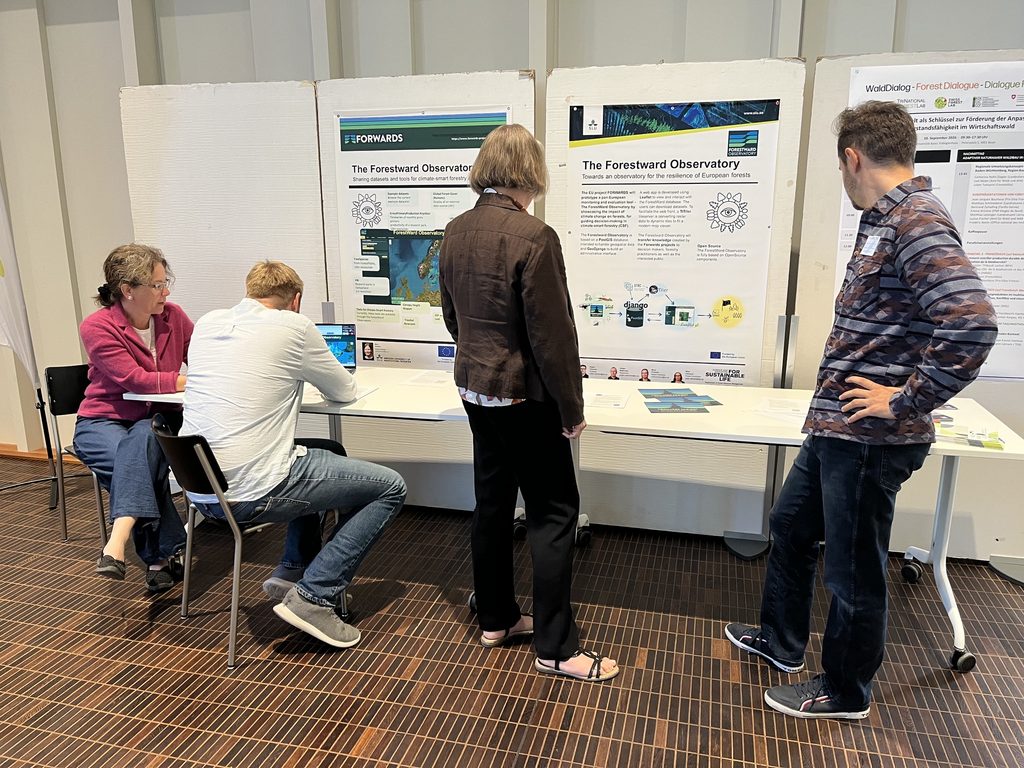
FORWARDS presentation by Barbara Mihok
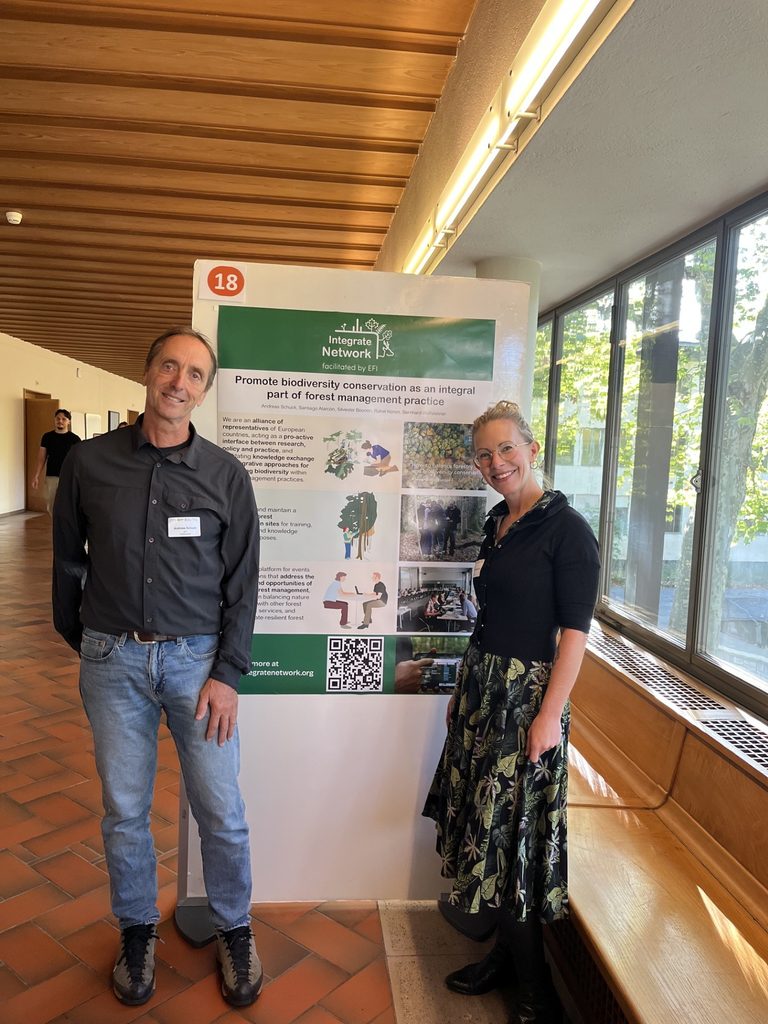
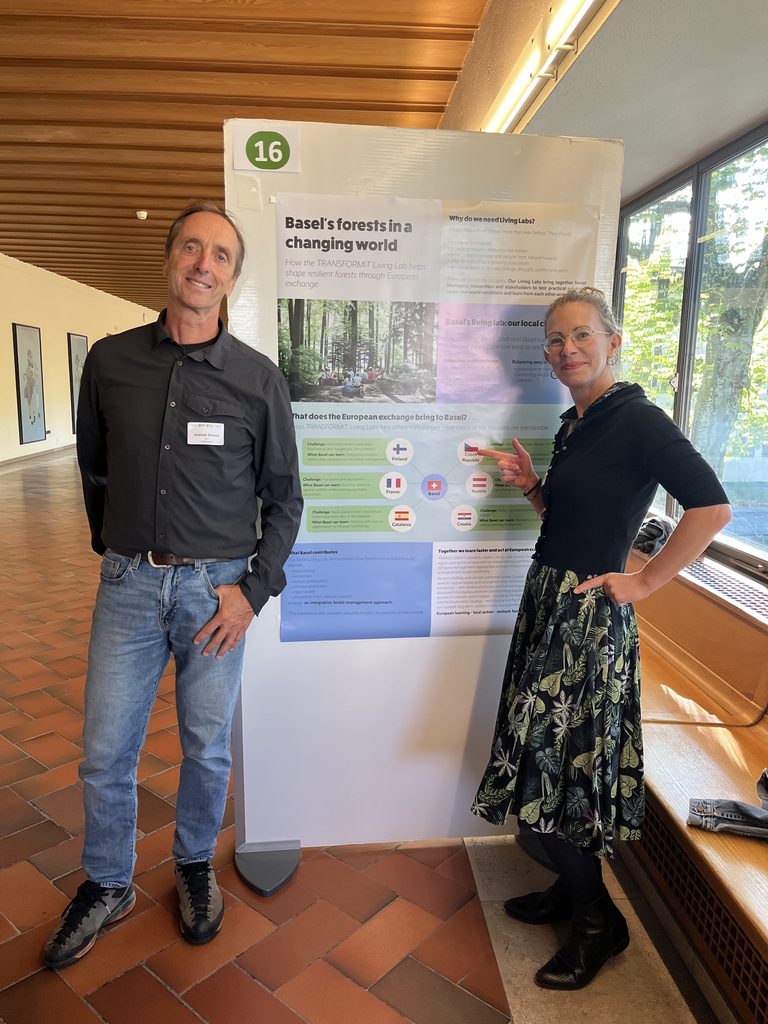
For me, one of the strongest messages from Forest Dialogue was therefore the importance of knowledge transfer as a three-way process. Science needs to inform practice, but researchers also need to learn from the experience of those working in forests every day. The role of policy makers is to provide the interface between science and practice: translating evidence and practical experience into effective policy, while also ensuring that the realities and lessons from the field feed back into policy development. In this way, policy can become not simply an end point for knowledge, but a bridge that connects research, practice and decision-making. Projects such as TRANSFORMIT and FORWARDS as well as an established collaboration like the European Network Integrate (all presented there by my colleagues and me in sessions, via posters and talks) demonstrate different ways of connecting research, policy, and practice. TRANSFORMIT, for example, brings these communities together through Living Labs, stakeholder engagement and the development of practical, evidence-based guidance for Integrative Forest Management. FORWARDS connects scientific monitoring, modelling and data with the needs of forest managers and policy makers, with its ForestWard Observatory designed to support decisions on climate resilience and forest adaptation. The European Network Integrate provides a longer-term interface between the three, combining scientific evidence with demonstration sites, practical experience and policy exchange across countries.
The Forest Knowledge Gateway offers a practical platform to bring these different strands of knowledge together. It makes scientific findings, practical experience, tools and other resources easier to discover and access, helping users find relevant knowledge for the challenges they face in their own forests. In this way, the Gateway can help bridge the gap between knowledge being produced and knowledge being used.
Ultimately, knowledge only becomes valuable when it helps someone to make a better decision in the forest – this is why I also very much enjoyed the presentations by forestry practitioners, who shared what answers they need from research and thus made the exchange more fruitful.
That is what made the Forest Dialogue 2026 particularly encouraging. Despite different perspectives and some smaller controversies, there was a shared recognition that biodiversity, climate adaptation and forest management must be considered together. Bringing different perspectives into the conversation is essential to understand the challenges from all sides, identify solutions that work in practice, and build the trust needed to put them into action. Dialogue and meaningful stakeholder engagement are therefore not just a way of exchanging knowledge – they are part of the process of finding a way forward for resilient forests.
The BOKU article for the International Day of Forests, written in German and accessible here, highlights how sustainable forest management can reconcile wood production, climate protection, and biodiversity conservation, using the Austrian Living Lab Wegscheid as a real-world testbed for new integrative practices. It showcases how Integrative Forest Management approaches – such as ecological landscape management, coordinated monitoring of habitat structures, and multi‑stakeholder Living Labs – operationalise the TRANSFORMIT vision of connecting use and conservation across Europe in practice.
by Gesche Schifferdecker, Jukka Tikkanen, Mikko Kurttila, and Rainer Peltola
When you explore a Finnish forest with experts like Jukka Tikkanen, Mikko Kurttila, and Rainer Peltola, you quickly realise that the forest economy is far richer than timber alone. Between the trees and under the canopy lies a quiet abundance: branches from Spruce trees, sap from birches, mushrooms, resin, berries. And now, more than ever, these non-wood forest products (NWFPs) are gaining attention in forest planning.
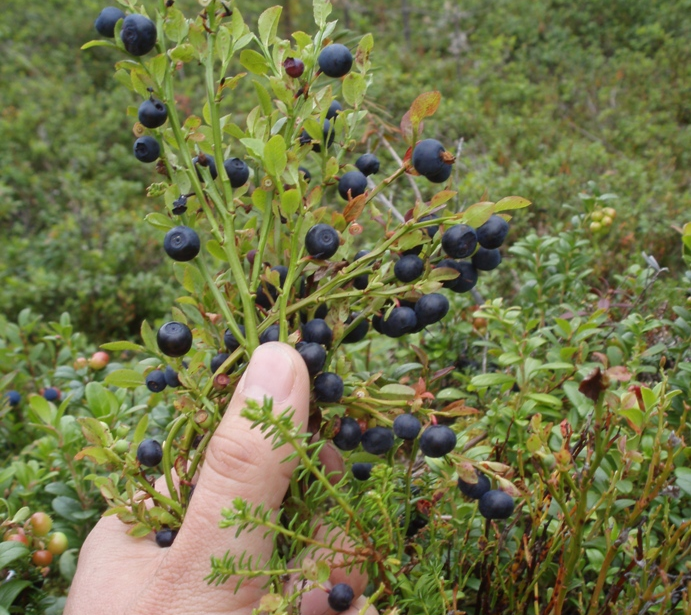
A productive bilberry shrub (photo credit: Rainer Peltola)
“Integration of NWF products into forest planning really depends on the product. If the growing stock data is up-to-date, the best production estimates come from products collected from trees – spruce shoots, resin, sap, birch leaves”, says Jukka Tikkanen, Research Director at University of Eastern Finland. Digital tools like Finland’s Metsään.fi would like to allow landowners to explore these potentials alongside timber data: an inclusion of NWTPs was technically piloted, but is not mainstreamed yet.
However, for berries and mushrooms, Jukka stresses the need for fieldwork: “General berry and mushroom estimates give a good idea, but business calculations need field investigations.”
Over the past years, his team has piloted natural product-oriented forest planning, which is a hands-on process combining terrain assessment with dialogue between the planner and landowner. “It’s meant to help landowners explore NWFPs as a complementary business. Timber doesn’t have to be the whole story”, emphasizes Jukka.
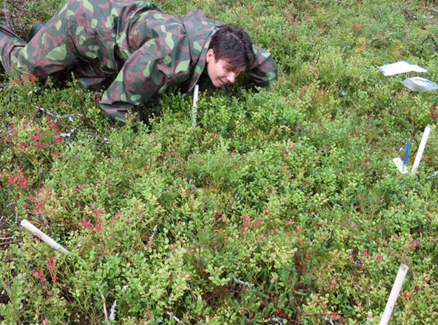
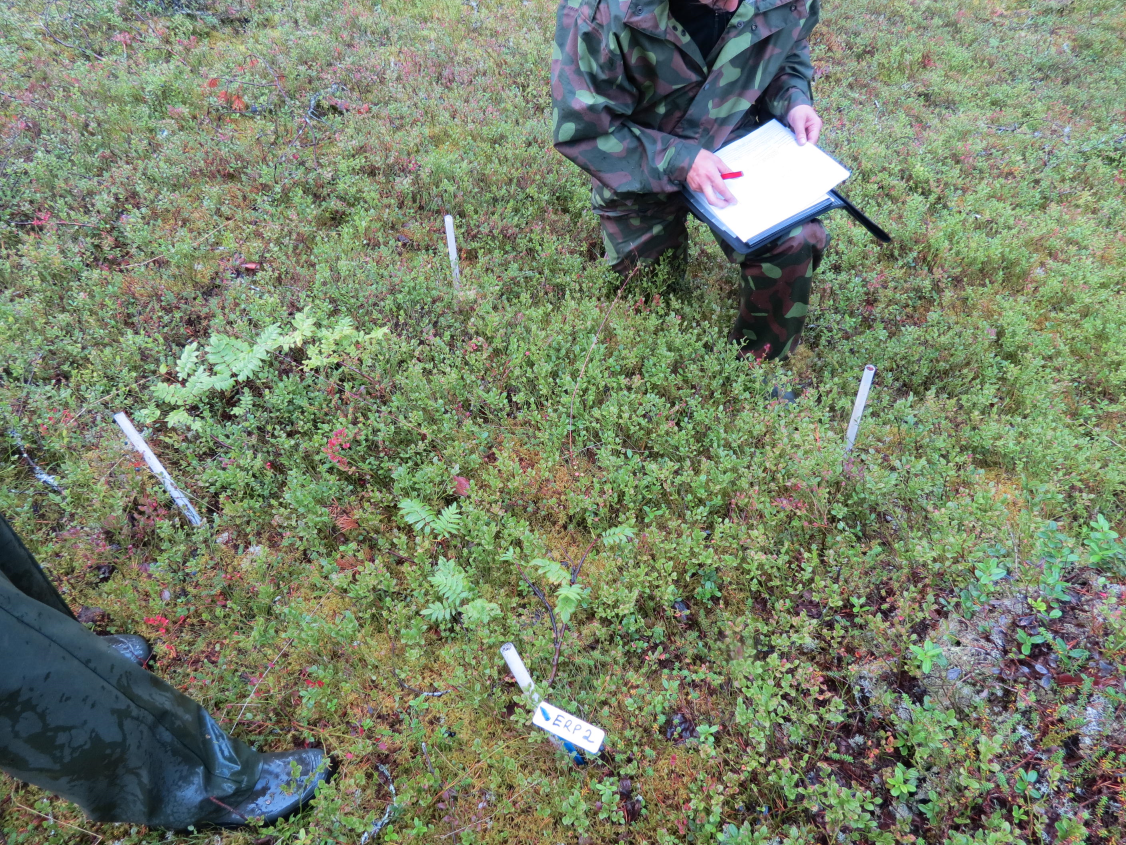
Collecting data (photo credit: Rainer Peltola)Berry monitoring in Finland (photo credit: Rainer Peltola)
What a forest can offer: business planning
For Mikko Kurttila from Natural Resources Institute Finland (LUKE), the first step for forest owners is simple but often overlooked: “Owners need to consider what their forest properties can produce. Some may have birch suited for sap production. Others have young spruce stands perfect for collecting shoots in spring, or branches for the Christmas season. Older pines or spruces can offer resin.” He also stresses the limits set by Everyone’s Rights: “In general, owners should focus on NWFPs that are outside everyone’s rights. In Finland, this normally excludes berries and most mushrooms.”
Some forest owners have explored alternative ventures – like cultivating medicinal mushrooms. “People are curious about cultivating pakuri, but infecting substrates is expensive, and you must wait about ten years – I think that’s very risky”, says Mikko. For him, realistic business planning is essential: “Owners need proper calculation – labour, external services, opportunity costs, and expected revenue flows with different future prices and yields. The challenge is that advisors for this don’t really exist. Timber services do, but NWFP services don’t.”
The forest’s hidden harvest
While Jukka and Mikko focus on planning and business, Rainer Peltola (LUKE) has spent over a decade improving our understanding of NWFP production, especially berries.
“For more than ten years, berry yield forecasts have used a partial citizen-science concept. We’ve made progress in collecting observations, and data quality has steadily improved”, explains Rainer. The biggest breakthrough came when weather data was integrated into the forecasting system: “The single biggest step forward has been combining weather data with berry observations – modelling the weather phenomena that influence yields. We now have models predicting pollination success and ripening of bilberries, lingonberries, and cloudberries.”
These models feed into Luke’s berry map service, where users can explore forecasts like pollination success for bilberry in 2025 on a 5×5 km grid. “We hope this helps pickers and berry companies plan their operations – guiding pickers and planning logistics”, summarizes Rainer.
A more diverse forest future
Taken together, the insights from Jukka, Mikko, and Rainer paint a clear picture: forests hold tremendous and partly untapped value – but only if we know how to read it, measure it, and plan for it. As Jukka concludes: “Fully integrating timber and non-wood forest products would make forestry more sustainable – and our landscapes richer.”
And perhaps that is the shift underway: a forest economy increasingly rooted in everything the forest quietly offers – season after season, year after year.
High up in the Styrian hills of Austria, where spruce crowns shimmer like scales in shifting light, a quiet transformation is underway. It began with a growing realization: forests can be managed and alive at the same time.
The Austrian Federal Forests had long recognized their responsibility as caretakers of some of the country’s most precious natural areas. This commitment continuous today, extending not only to the management of protected areas but also to the integration of conservation ideas and guidelines into the management of commercially used forest across the country. Gradually, approximately half of the forest districts have now been equipped with an Ecological Landscape Management concept, ensuring that biodiversity is increasingly woven into everyday forest operations.
The Ecological Landscape Management isn’t just an add-on. It became a new way of thinking: forest plans now include not only economic but also ecological data, every decade-long operational plan accounts for habitats, and every stand is seen through the dual lens of use and nature conservation.
This same shift lies at the heart of TRANSFORMIT’s mission of Integrated Forest Management.
And so, when a Living Lab was to be established in Austria, the choice felt obvious: the 8,155-hectare forest district of Wegscheid. A region where the four pillars of Ecological Landscape Management, namely conservation and renaturation, habitat connectivity, process protection, and a conservation areas register are already invented.
The TRANSFORMIT Living Lab would focus on one of these pillars: creating a net of habitat stepping stones through the forest for specific umbrella-species.
A defining moment: When crisis becomes catalyst
If there is a single snapshot that captures the spirit of Wegscheid, it may be the moment local foresters walked through stands devastated by bark beetles. Spruce – when planted decades ago outside its natural range – often had fallen victim to increasing temperatures, drought, storms, and pests. The landscape partly looked raw, wounded. Yet instead of discouragement, something else took root: determination.
Foresters, researchers, and partners understood that this painful transformation was also an opportunity. As bark beetle outbreaks now slowly decline, conversations in Wegscheid have shifted. How can forests be rebuilt to withstand climate change? How can biodiversity become the foundation of resilience?
In that moment, the spirit of the Living Lab crystallized: experimenting boldly, learning continuously, and working together for forests that can face an uncertain future.
Imagine a woodpecker. A black woodpecker perhaps, or a three-toed one, flying across a patchwork of forest stands. Not every piece of forest is equally suitable as a habitat for the bird. Some are young, some uniform, some still healing from storms or bark beetle attacks. What this bird needs is a network of stepping stones: pockets rich in habitat trees, deadwood, shelter, and food.
In 2022, foresters in Wegscheid began mapping exactly that. Around 512 hectares were selected as habitat connectivity stepping stones: old stands, naturally regenerating patches, areas rich in deadwood and microhabitats. Across these areas, management was redesigned:
No clear-cuts
Multi-stage interventions instead of single harvests
Habitat trees retained
Deadwood deliberately left to decay
Forest edges shaped in gentle, irregular forms
Regeneration encouraged with ecologically valuable tree species
The goal? To ensure that woodpeckers, and with them countless other species, find suitable habitats and can move safely and thrive across the forest landscape via these “stepping stones”.
From science to practice
As part of TRANSFORMIT, three Marteloscope training sites were created. These sites give stakeholders a hands-on way to experience forest decision-making:
A mature stepping-stone stand, rich in habitats for woodpeckers
A naturally regenerated, yet unmanaged stand full of tree diversity
A young spruce stand, marked by heavy bark peeling damage; an honest reflection of the challenges the region faces
Visitors stepping into these Marteloscopes literally walk into the questions the Living Lab is trying to answer.
Working in the Wegscheid Living Lab is many things at once
Working in the Wegscheid Living Lab is an experience shaped by contrasts. On the one hand, it is deeply experimental: new methods are tested directly in real forest stands, where every decision has visible consequences. At the same time, it is fundamentally community-driven, bringing together foresters, scientists, and local stakeholders who learn from each other and share responsibility for the landscape they shape. The work can be challenging, especially in an environment marked by extreme weather events, past calamities, and the legacy of outdated stand structures. Yet it is also profoundly inspiring. Every habitat tree that remains standing, every piece of deadwood deliberately left to decay, and every young, diverse stand growing toward maturity symbolizes a step toward greater resilience. Above all, the Living Lab is a place where hope meets pragmatism. A space where vision and hands-on action come together.
What changes do we expect?
Within the TRANSFORMIT framework, the Wegscheid Living Lab examines how effectively the concept of habitat-connectivity stepping stones can be implemented under real-world conditions. It explores where challenges emerge during this process, how these ecologically valuable areas can be secured and maintained over the long term, and how integrated forest management can move from theory into daily practice. The findings from Wegscheid are intended to do more than support local decision-making; they will contribute to a broader mission. By generating evidence-based insights and practical principles, the Living Lab helps pave the way for scaling up Integrated Forest Management across Europe and supports the ambitious goals embedded in current EU forest and biodiversity policies.
TRANSFORMIT aims to support the goals of the EU Green Deal, the Biodiversity Strategy, and the EU Forest Strategy 2030. The lessons from Wegscheid (on connectivity, resilience, and the integration of conservation into forest use) will help shape these European ambitions.
Because in the end, the story of Wegscheid is not just a local one. It is part of a much larger narrative: learning how forests can adapt, recover, and thrive, while still providing the resources and services society depends on.
And in a quiet corner of Styria, the forest is beginning to show how IFM can foster biodiversity at the same time – a small but promising step.
From 22–24 September 2025, our 2nd TRANSFORMIT project meeting brought together experts from research, forestry practice and stakeholder organisations across Europe and China at the Czech University of Life Sciences in Prague. The gathering highlighted the project’s collaborative spirit: to exchange knowledge, test tools in practice, and explore new pathways for Integrative Forest Management.
The meeting opened with an excursion to the Samechov Living Lab, where participants experienced ecological forestry tools in action. Mixed-species stands, biodiversity hotspots, and innovative management practices provided a hands-on learning environment. Icebreaker activities and field discussions encouraged open dialogue, allowing participants to connect local challenges with broader European and international perspectives.
The following days featured interactive workshops and group sessions on decision-support tools, stakeholder engagement, and communication strategies. These dynamic exchanges shed light on practical solutions for biodiversity conservation, climate resilience, and sustainable forestry practices.
The Prague meeting reinforced the importance of international collaboration in addressing today’s forest challenges. By bringing together such diverse expertise and perspectives, TRANSFORMIT continues to build a strong foundation for more resilient and multifunctional forests.
👉 A detailed blog post with key insights and outcomes will follow soon – stay tuned!
How Zagreb’s urban and protected woodlands inspire the future of forest management
Blog post by: By Gesche Schifferdecker, Silvester Boonen, Marija Majnarić, Martina Kičić
Nestled between city streets and hiking trails, Zagreb’s forests are more than pockets of green – they are living laboratories where tradition, innovation, and public interest meet. From dense urban groves to protected parklands, a recent field visit to our TRANSFORMIT Zagreb Living Lab offered a glimpse into how foresters and scientists are tackling the complex challenges of regeneration after disturbances, biodiversity protection, forest monitoring via innovative technology, and community engagement in today’s evolving landscapes.
Over the course of the program, participants toured the urban forests of Tuškanac, Zelengaj, Dotrščina, and Maksimir, as well as the management unit “Sljeme-Medvedgrad Forests” in Medvednica Nature Park. Though different in setting and scale, each site told a compelling story of challenges faced with climate, forest management goals and diverse interest groups – and together, they revealed how local approaches can contribute to global solutions for forests and people, particularly in urban areas.
City Roots: Regeneration Amid the Urban Pulse
The journey began in the heart of Zagreb, where centuries-old forests like Tuškanac and Zelengaj weave quietly through the city center. Here, the challenge is twofold: restoring damaged ecosystems while earning – and maintaining – the trust of a sceptical public.
At the forest’s edge, participants were welcomed by experts from Croatian Forests Ltd. and the City of Zagreb. Their story? A long, careful process of reforesting areas hit by storm damage and tree aging, all while involving local communities in each step. “This isn’t just about trees,” said one representative. “It’s about people’s perception of trees – what they mean in an urban context.”
That sentiment was especially clear at Krležin Gvozd, where regeneration efforts began 15 years ago. Foresters didn’t just plant new life – they worked hand-in-hand with residents, addressing concerns and dismantling the common fear that tree cutting signals the start of construction work. Through transparent communication and tailored silvicultural techniques, they turned scepticism into stewardship.
Windthrown but Not Forgotten: Lessons from Medvednica
Up the slopes of Medvednica Nature Park, another story unfolded—one of destruction and renewal. In 2013, fierce winds tore through this protected area, uprooting trees and unsettling the local ecosystem. But the forest fought back. Today, thanks to strategic management by Croatian Forests Ltd. and the Public Institution Medvednica Nature Park, large swaths of forest are regenerating naturally.
This regeneration, however, isn’t without controversy. In Natura 2000 areas, any forest management plan – including harvesting – requires approval from nature conservation authorities. This regulatory oversight, while critical for biodiversity, has also led to delays and uncertainty, especially in post-disturbance situations.
Natural regeneration on steep slopes, often dominated by beech, raised concerns among excursion participants about how these forests will cope under mounting climate stress. For now, local managers are choosing to observe and monitor rather than intervene prematurely – hoping that they are still seeking the best adaptive management strategies in an increasingly unpredictable environment.
Participants hiked through these recovering zones, guided by experts like Martina Belović Kelemen and Hrvoje Brnica, who shared how Integrated Forest Management (IFM) is being applied in protected, heavily visited areas. With over a million visitors each year, Medvednica faces the dual challenge of ecological preservation and public use.
Digital Forests: Technology in the Trees
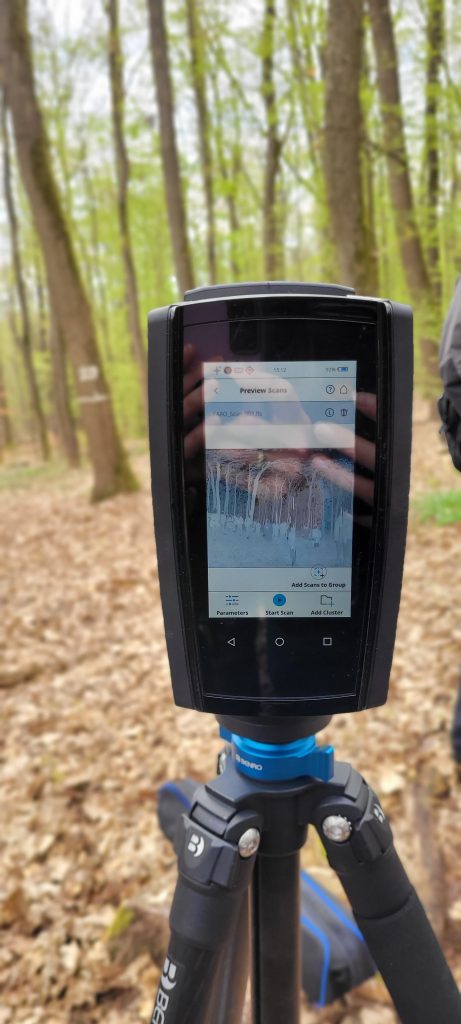
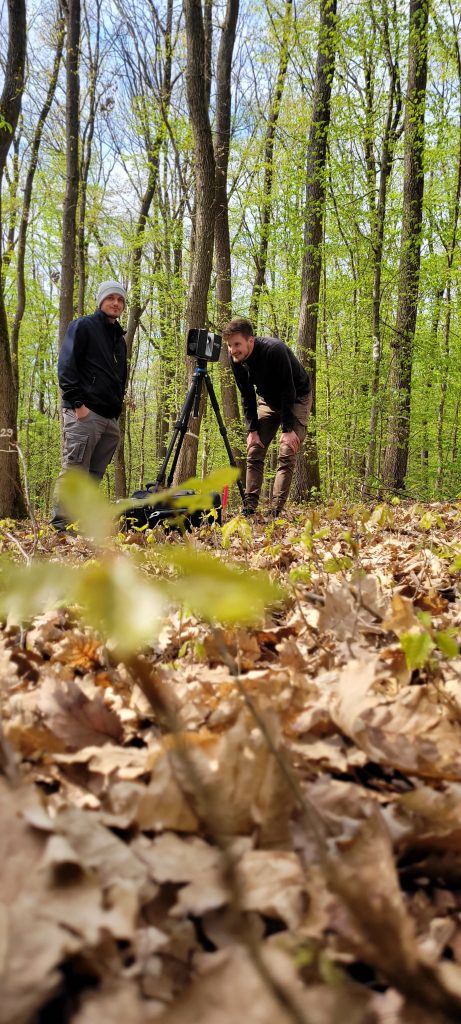
The next stop was Dotrščina Urban Forest, where tradition met technology. Here, scientists from the Croatian Forest Research Institute unveiled how Terrestrial Laser Scanning (TLS) is reshaping forest management. Two types of TLS are currently in use: a static laser scanner with a 150-meter range that performs a full 360-degree sweep over a set period (often up to two hours), and a second, mobile handheld scanner used to complement this data.
Using both handheld and stationary devices, researchers generated 3D “point clouds” of the forest, capturing data on tree structure and density with remarkable precision. Dr. Ivan Balenović and his team explained how this data can inform decisions about thinning, planting, and recreation management. The forest, heavily used by locals for leisure, must balance ecological needs with human enjoyment. Thanks to decades of financial support from the City of Zagreb and implementation by Croatian Forests Ltd., such harmony is not only possible – it’s thriving.
Maksimir Park: Deadwood is for the bugs
The final chapter of the field visit unfolded in Maksimir Park, Zagreb’s most beloved green space and a cultural and natural heritage site. Though not formally part of the Living Lab, its inclusion underscored an essential lesson: successful forest management is as much about communication as it is about conservation.
Here, Irina Zupan from the Public Institution Nature of the City of Zagreb and Ante Pejić from the Working Unit Urban Forestry of Croatian Forests Ltd. shared the complexities of managing a park visited by thousands daily. The focus? How to bridge the gap between forestry and nature protection through open dialogue and shared goals.
The park’s management emphasizes collaboration between nature conservation authorities and Croatian Forests to balance a trio of goals: cultural heritage preservation, biodiversity conservation, visitor safety, and climate change adaptation: after a major windstorm some years ago, forest restoration included planting nursery-grown trees – some sourced from abroad – to ensure genetic diversity and resilience.
Biodiversity remains a hallmark of Maksimir. With over 1,000 recorded species, including rare woodpeckers, the park is home to some of the city’s oldest known trees – for example a 250-year-old Quercus robur, confirmed by counting its rings. Nearby, the legendary “Grandpa Tree,” believed to be around 600 years old, stands as a living monument to resilience.
As emphasized by Irina Zupan, biodiversity protection also requires an ongoing dialogue between forest and nature conservation – exemplarily shown around the issue of deadwood. With a smile on her face, she mentioned that forest managers call the people in charge of nature conservation “bugs” – with a bit of irony of course, because they sometimes feel bothered by their requests. However, through an ongoing exchange and increased collaboration there is a broad awareness of the advantages of both standing and lying deadwood for a rich biodiversity in the forests. That’s why current forest managers like Ante Pejić promote leaving deadwood in the forest, with the comment “deadwood is for the bugs”.
Despite the good collaboration in terms of forest and nature protection management, modern challenges persist. Invasive turtles, likely released by citizens, have begun to disrupt aquatic habitats along the lakeside, while a resident beaver has made its home in the fifth lake – welcomed as a beneficial part of the forest ecosystem.
A Forest Future Forged in Partnership
From the quiet trails of Tuškanac to the lively paths of Maksimir, the Zagreb Living Lab is more than a series of sites – it’s a blueprint for sustainable, people-centered forest management. The common thread across all locations was clear: community matters. Whether through clear communication, participatory planning, or cutting-edge research, the forests of Zagreb are showing that resilience grows stronger when it’s rooted in collaboration.
As the day’s journey came to a close, one thing remained certain: managing forests in the 21st century means more than managing trees. It means listening – both to nature, and to the people who live alongside it.
“We have the need to improve biodiversity on every scale”, says Dr. Frank Krumm, researcher at the Swiss Federal Institute for Forest, Snow and Landscape Research and co-editor of the book How to balance forestry and biodiversity conservation: A view across Europe (2020). “This is what we know from research. It’s one of our tasks. But we also need to see where our forests come from.”
This means considering different forest traditions, different socio-cultural backgrounds, and diverse ownership structures – placing efforts for biodiversity conservation within these contexts.
“So, if I have the need to really manage protection forests, maybe biodiversity conservation is stepping back to a certain extent to provide this ecosystem service of protecting people and infrastructure against natural hazards. And it’s the same for other requests or demands on forests.”
Dr. Frank Krumm Swiss Federal Institute for Forest, Snow and Landscape Research
Not a black-and-white issue
Striking a balance between forest management and biodiversity conservation is not a simple task, nor a black-and-white issue, says Dr. Frank Krumm. Rather, it’s a negotiation that needs to happen between local forest managers, forest owners and communities living in close relationship to a specific environment. Balancing different needs is therefore always a contextual endeavor.
By showcasing 32 case studies of forest enterprises, forest owners and regional initiatives, all implementing forest management approaches that integrate biodiversity conservation, the book How to balance forestry and biodiversity conservation: A view across Europe (2020) aims to merge theoretical knowledge with practical examples ranging across different forest types and traditions across Europe.
“It’s not black-and-white. There are maybe different solutions in different regions, in different parts of the world, in different forest traditions. This is why we went quite broad and across Europe, across very different ecosystems, across very different socio-cultural systems. And I think that’s a very good reason, to motivate others that they really see, it can work. We have the proof in these cases.”
Dr. Frank Krumm Swiss Federal Institute for Forest, Snow and Landscape Research
“It’s important to showcase how things can work”
Every forest is different and not every forest enterprise can provide the same ecosystem services. “Having a 3-hectare forest or a 3000-hectare forest, certainly makes a big difference”, says Dr. Frank Krumm. The book therefore aims to provide forest managers with diverse tools and options that can support their decision-making processes.
“So, the idea was not only to create a book publication that is freely available, it was also to create a network that people can really learn from each other and see what they are doing, how they cope with challenges and with very specific demands in their areas.”
Dr. Frank Krumm Swiss Federal Institute for Forest, Snow and Landscape Research
Through a spider graph that considers diverse ecosystem goods and services,the editors aim to make it easier to understand and compare different case study examples.
“The idea was really to find a graph or a way to express that different enterprises follow different approaches and have to fulfil different ecosystem services,” explains Dr. Frank Krumm, co-editor of the book, alongside Andreas Schuck (European Forest Institute) and Andreas Rigling (ETH Zurich).
Ecosystem goods and services (adapted from MEA 2005) delivered by forests as the basis of a holistic view on forest management. The spider-graph indicates the weighting of the individual goods and services in respect to their importance, financial resources invested, or work power applied in a forest enterprise (Illustrations by Vivanne Dubach).
As a publication that highlights the local and contextual nuances of integrative forest management, the book also aims to contribute to an understanding that timber production and nature conservation do not need be treated as mutually exclusive but rather can be compatible, when forests are managed appropriately.
How can forestry become more integrative?
Through their chapter ‘Driving factors for integrated forest management in Europe’, authors Agata Konczal, Jakob Derks (Wageningen University) and Johannes H.C. de Koning (University of Copenhagen) wanted to better understand how and why nature conservation is being integrated into forest management practices across different European forest units and enterprises.
“So, when a forest owner or forest manager is telling me, ‘I’m implementing biodiversity conservation measures into my forest management practices’, I wanted to check what does it actually mean? What do you do and why are you doing this?” says Dr. Agata Konczal, Assistant Professor at the Forest and Nature Conservation Policy Group at Wageningen University. “Only through such analysis can we understand why biodiversity conservation is important for practitioners and what helps or hinders their integration into forest management”.
Social expectations and intrinsic motivation are key drivers
By mapping current and future social, economic, political, technological and ecological drivers across 9 European case studies, the authors came across various regional differences around what facilitates or hinders the application of Integrative Forest Management.
However, social expectations generally stood out as important drivers, says Agata Konczal.
“So, foresters and forest owners, they feel that this is what society expect from them, meaning to focus more on biodiversity conservation. So that was interesting for us to realize is that social pressure can support and help foresters to think and implement these biodiversity conservation measures. But it also hinders, it stops them from implementing biodiversity conservation because they feel, or at least some forest owners and some forest managers reported, that for society it’s never enough, that what they seem to want is no forest management. Rather they only want strict protection. So, here we come to this paradox of social expectation. So that was really important for us to kind of map this to realize how important the social drivers are in the story of biodiversity conservation.”
Dr. Agata Konczal Wageningen University
Aside from social drivers, a key finding was that forest owners’ and forest managers’ own intrinsic motivation and interest in having thriving and healthy forests strongly supports the implementation of biodiversity conservation.
“They reported that they are doing this because they believe it’s important”, says Dr. Agata Konzcal.
Political and economic incentives matter
The study also shows that political and economic factors are crucial. According to the author, there’s a need to think about the application of policies: “We really need good tools, a good setup for these policies, that will give room to forest owners and forest managers to apply these different policy frameworks in their local context. Because as we know, the situation in European forests vary between regions and we cannot have one stiff framework for all these circumstances.”
“We report that forest managers, forest owners, they expect more incentives, both financial ones but also non-financial incentives, for the activities. On the other hand, the question of the wood market and uncertainties related with the economic situation, that’s what very often stops forest managers, forest owners from experimenting with more biodiversity conservation measures because they may be costly and, in the end, they may impact the economic income.”
Dr. Agata Konczal Wageningen University
Through TRANSFORMIT project and its Living Labs, the researchers hope a more in-depth analysis of economic incentives will be possible, studying local impacts of policy frameworks, economic markets and different value chains across Europe.
This requires an even stronger collaboration between practitioners, researchers and decision-makers, as well as a long-term observation that grasps what the diverse local needs are and what the specificity of each region or forest enterprise requires for effective and sustainable forest management, mentions Agata Konczal.
The book How to balance forestry and biodiversity conservation (2020) was produced within the framework of the European Integrate Network and has been written by more than 150 researchers and practitioners from 50 institutions and 19 countries. Through its various practice examples, it explores innovative regional- to local-scale approaches of how to balance biodiversity conservation with other ecosystem services in sustainable forest management.
Finland’s forests are more than just a source of timber—they are a vast natural pantry brimming with wild berries, mushrooms, and other non-wood forest products (NWFPs). Covering 75% of the country’s land area, these forests offer an abundance of resources that remain largely underutilized. In Lapland, where pine, spruce, and birch dominate the forested landscapes, nature’s hidden riches hold both economic and cultural significance. In Rovaniemi, the capital of Lapland, TRANSFORMIT’s Finnish Living Lab is located, and for the International Day of Forests 2025 we looked deeper into the role that non-wood forest products play for local communities, cultural heritage, tourism, and economic development.
Each year, between 500 and 1,000 million kilos of wild berries—mainly bilberries and cowberries—ripen across Finland’s forests. Yet, only about 10% are harvested. The numbers are even lower for mushrooms: out of an estimated 1,000 million kilos, less than 1% makes it into kitchens or markets. Despite this, foraging is deeply embedded in Finnish culture. More than half of Finns collect berries, with the rate soaring to 78% in Lapland. The traditional practice is supported by Finland’s “Everyone’s Right,” allowing people to forage for personal or commercial use, except for certain products like mosses and woody plant parts, which require landowner permission.
Beyond food, these natural products have growing value in the cosmetics, pharmaceutical, and craft industries. Active compounds extracted from berries and plants are increasingly used in supplements and health products, adding to their economic potential.
Figure 1-2: Typical NWFPs from pine forests of Lapland: Boletus and cowberries. Photos: Erkki Oksanen, LUKE
Reindeer: Lapland’s Cultural and Economic Icon
Another pillar of Lapland’s natural wealth is reindeer husbandry, a practice that spans centuries and remains vital to local communities. Covering 36% of Finland’s land area, reindeer herding generates an estimated one billion euros annually in direct and indirect economic benefits. Reindeer are not just an economic asset but also a cultural symbol, especially for the indigenous Sámi people.For visitors, reindeer tourism is a major draw. From sleigh rides through snowy landscapes to hands-on experiences with herders, the demand for authentic encounters is growing. Tourists are also showing interest in traditional reindeer crafts, fueling a resurgence in indigenous artistry and working methods.
Figure 3: Reindeers are abundant in Lapland. They have many roles: they are source of forest food and they have an impact on the other forest foods as they use them as forage. Photo: Erkki Oksanen, Luke.
Forest Management and the Future of Lapland’s Natural Resources
Most of Finland’s forests are actively managed for timber production. However, forestry practices impact the diversity and availability of forest foods. Traditional even-aged forestry, which involves clear-cutting and replanting, favors lingonberries, raspberries, and some mushroom species. Meanwhile, continuous cover forestry (CCF), which avoids clear-cutting and allows forests to regenerate naturally, creates better conditions for bilberries.
As demand for natural products rises, balancing forestry with the provision of NWFPs is becoming increasingly important. With sustainable management and greater awareness, Finland’s forests could provide even more economic opportunities while maintaining their ecological and cultural heritage. This is the approach TRANSFORMIT’s Living Lab in Lapland is further exploring, and in the next years we will share more insights about the impacts of adapted management strategies on both the provision of NWFPs and local traditions.
Figure 4: Various different NWFPs occur in different stages of forest rotation in even-aged forest management. For CCF, the occurrence is different and needs more research.