“This is a fully automated machine translation. The quality and accuracy of machine translation can vary from one text to another and between different language pairs. TRANSFORMIT website admins do not guarantee the accuracy of the translation and accept no liability for possible errors. Please refer to the original text in its original English version if there is any doubt. Some content (such as images, videos, files, HTML links and acronyms) may not be translated or may be inaccurate due to the technical limitations of the system.”
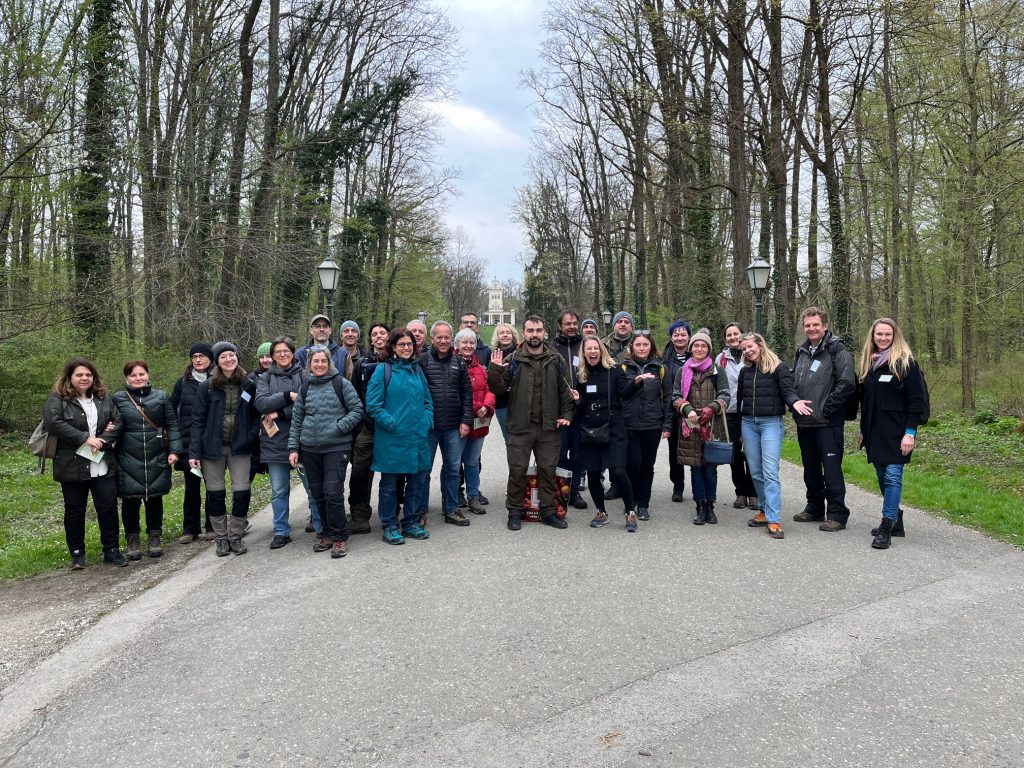
From 22–24 September 2025, our 2nd TRANSFORMIT project meeting brought together experts from research, forestry practice and stakeholder organisations across Europe and China at the Czech University of Life Sciences in Prague. The gathering highlighted the project’s collaborative spirit: to exchange knowledge, test tools in practice, and explore new pathways for Integrative Forest Management.
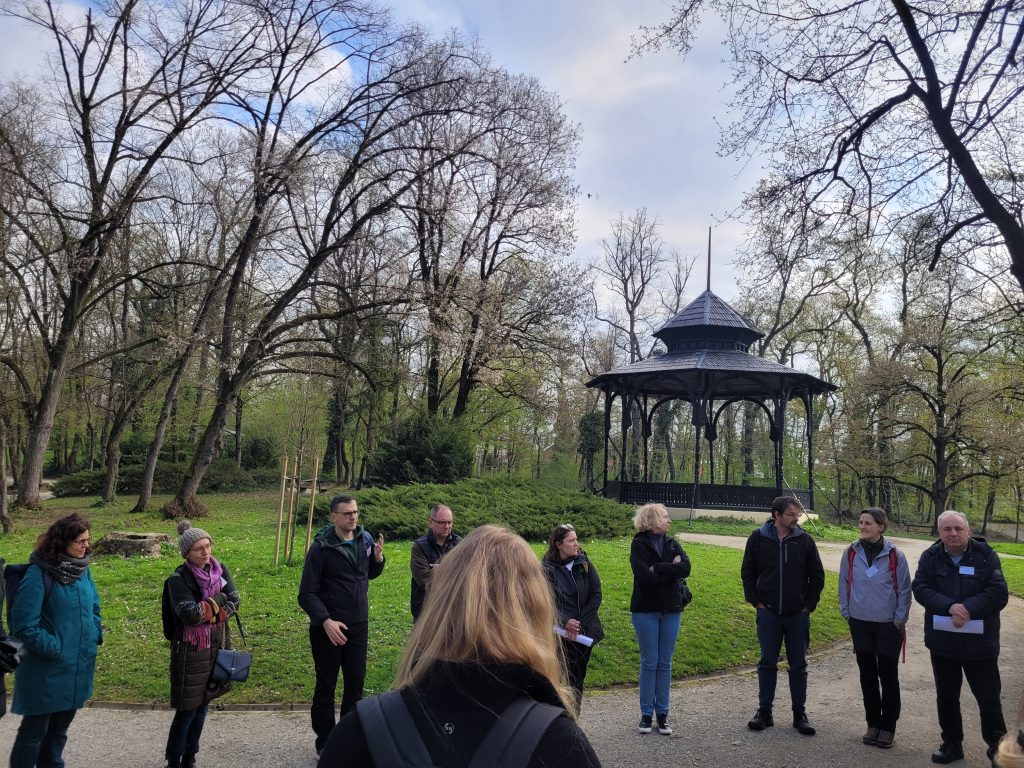
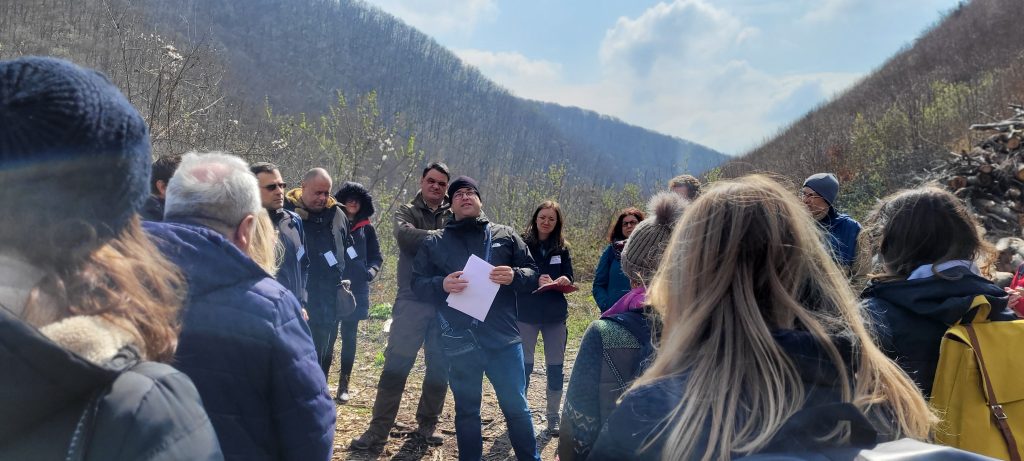
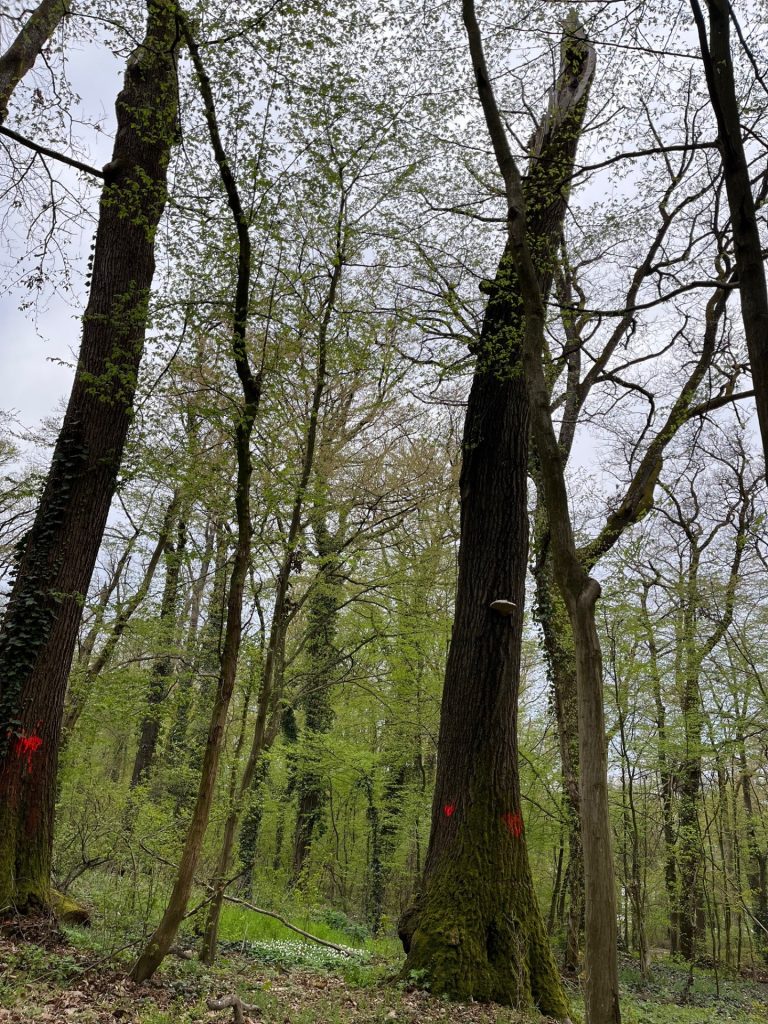
The meeting opened with an excursion to the Samechov Living Lab, where participants experienced ecological forestry tools in action. Mixed-species stands, biodiversity hotspots, and innovative management practices provided a hands-on learning environment. Icebreaker activities and field discussions encouraged open dialogue, allowing participants to connect local challenges with broader European and international perspectives.
The following days featured interactive workshops and group sessions on decision-support tools, stakeholder engagement, and communication strategies. These dynamic exchanges shed light on practical solutions for biodiversity conservation, climate resilience, and sustainable forestry practices.
The Prague meeting reinforced the importance of international collaboration in addressing today’s forest challenges. By bringing together such diverse expertise and perspectives, TRANSFORMIT continues to build a strong foundation for more resilient and multifunctional forests.
👉 A detailed blog post with key insights and outcomes will follow soon – stay tuned!
How Zagreb’s urban and protected woodlands inspire the future of forest management
Blog post by: By Gesche Schifferdecker, Silvester Boonen, Marija Majnarić, Martina Kičić
Nestled between city streets and hiking trails, Zagreb’s forests are more than pockets of green – they are living laboratories where tradition, innovation, and public interest meet. From dense urban groves to protected parklands, a recent field visit to our TRANSFORMIT Zagreb Living Lab offered a glimpse into how foresters and scientists are tackling the complex challenges of regeneration after disturbances, biodiversity protection, forest monitoring via innovative technology, and community engagement in today’s evolving landscapes.
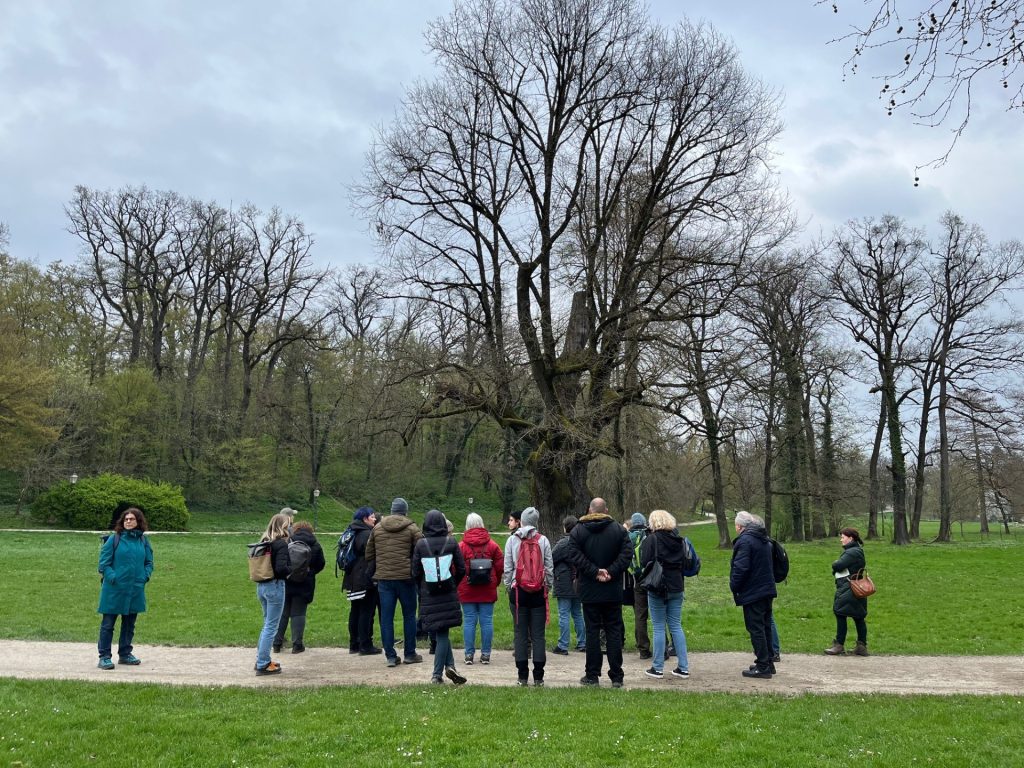
Over the course of the program, participants toured the urban forests of Tuškanac, Zelengaj, Dotrščina, and Maksimir, as well as the management unit “Sljeme-Medvedgrad Forests” in Medvednica Nature Park. Though different in setting and scale, each site told a compelling story of challenges faced with climate, forest management goals and diverse interest groups – and together, they revealed how local approaches can contribute to global solutions for forests and people, particularly in urban areas.
City Roots: Regeneration Amid the Urban Pulse
The journey began in the heart of Zagreb, where centuries-old forests like Tuškanac and Zelengaj weave quietly through the city center. Here, the challenge is twofold: restoring damaged ecosystems while earning – and maintaining – the trust of a sceptical public.
At the forest’s edge, participants were welcomed by experts from Croatian Forests Ltd. and the City of Zagreb. Their story? A long, careful process of reforesting areas hit by storm damage and tree aging, all while involving local communities in each step. “This isn’t just about trees,” said one representative. “It’s about people’s perception of trees – what they mean in an urban context.”
That sentiment was especially clear at Krležin Gvozd, where regeneration efforts began 15 years ago. Foresters didn’t just plant new life – they worked hand-in-hand with residents, addressing concerns and dismantling the common fear that tree cutting signals the start of construction work. Through transparent communication and tailored silvicultural techniques, they turned scepticism into stewardship.
Windthrown but Not Forgotten: Lessons from Medvednica
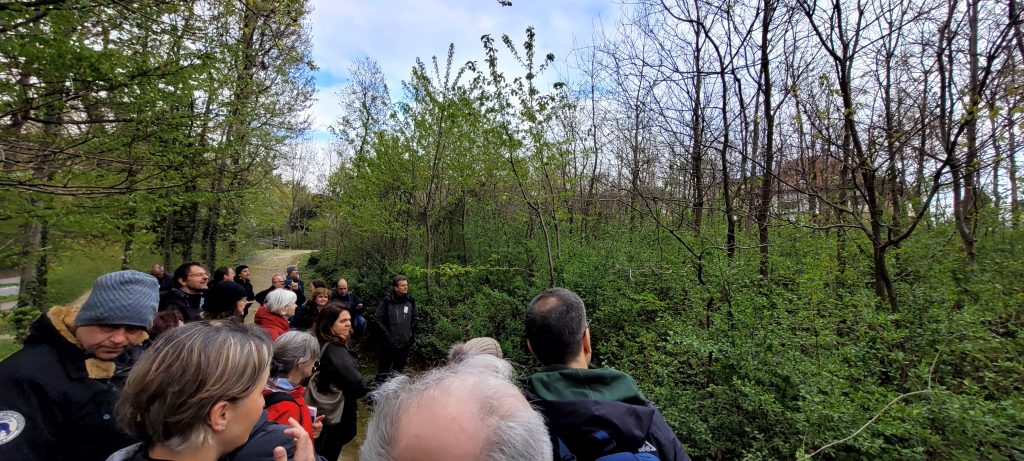
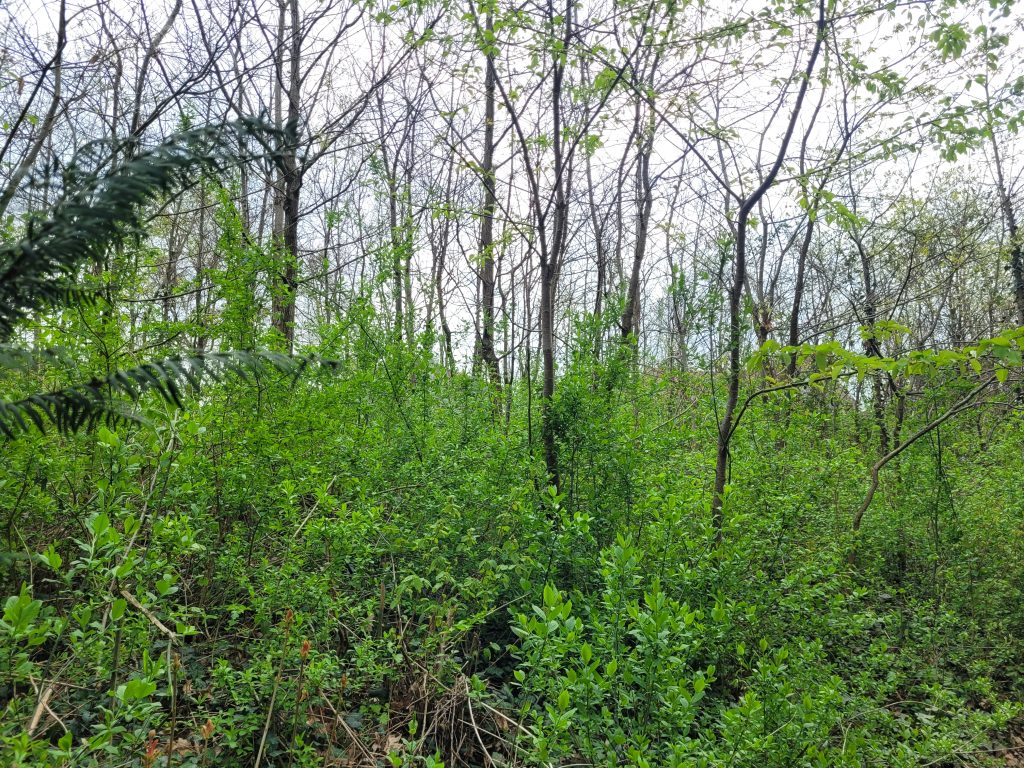
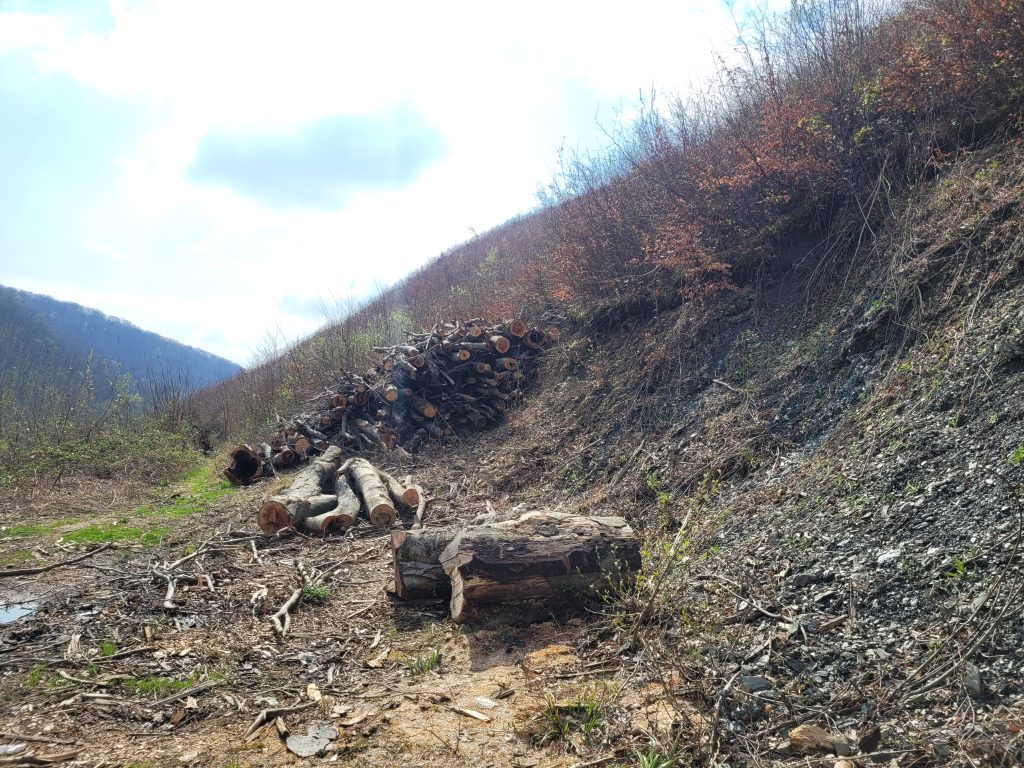
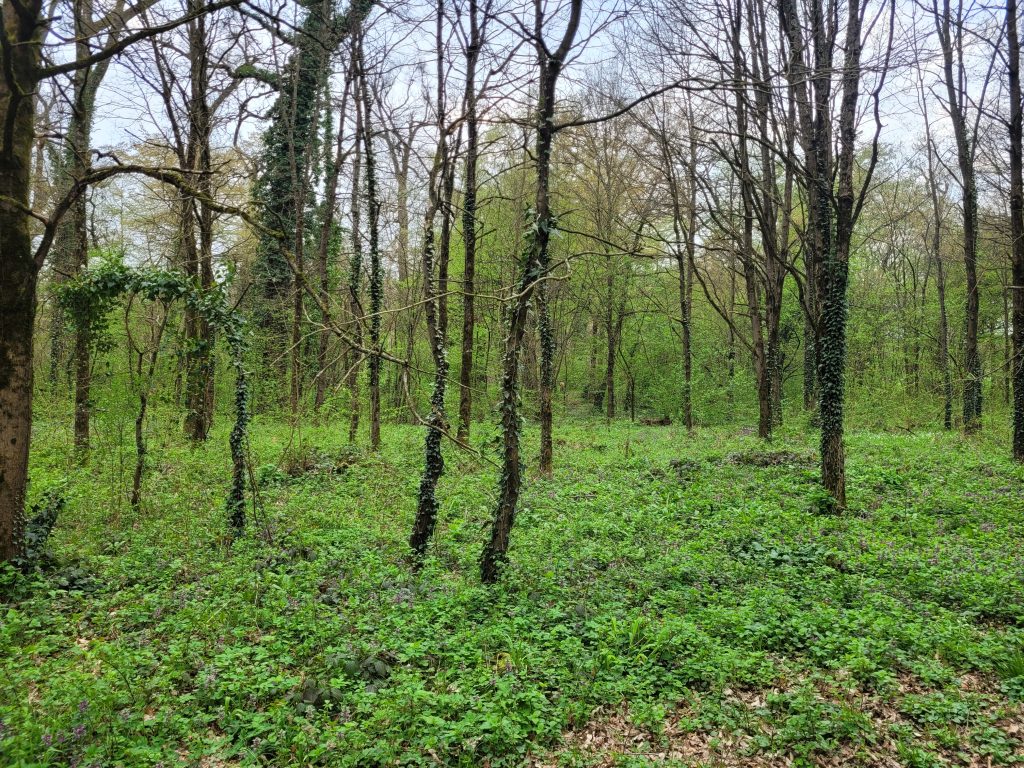
Up the slopes of Medvednica Nature Park, another story unfolded—one of destruction and renewal. In 2013, fierce winds tore through this protected area, uprooting trees and unsettling the local ecosystem. But the forest fought back. Today, thanks to strategic management by Croatian Forests Ltd. and the Public Institution Medvednica Nature Park, large swaths of forest are regenerating naturally.
This regeneration, however, isn’t without controversy. In Natura 2000 areas, any forest management plan – including harvesting – requires approval from nature conservation authorities. This regulatory oversight, while critical for biodiversity, has also led to delays and uncertainty, especially in post-disturbance situations.
Natural regeneration on steep slopes, often dominated by beech, raised concerns among excursion participants about how these forests will cope under mounting climate stress. For now, local managers are choosing to observe and monitor rather than intervene prematurely – hoping that they are still seeking the best adaptive management strategies in an increasingly unpredictable environment.
Participants hiked through these recovering zones, guided by experts like Martina Belović Kelemen and Hrvoje Brnica, who shared how Integrated Forest Management (IFM) is being applied in protected, heavily visited areas. With over a million visitors each year, Medvednica faces the dual challenge of ecological preservation and public use.
Digital Forests: Technology in the Trees
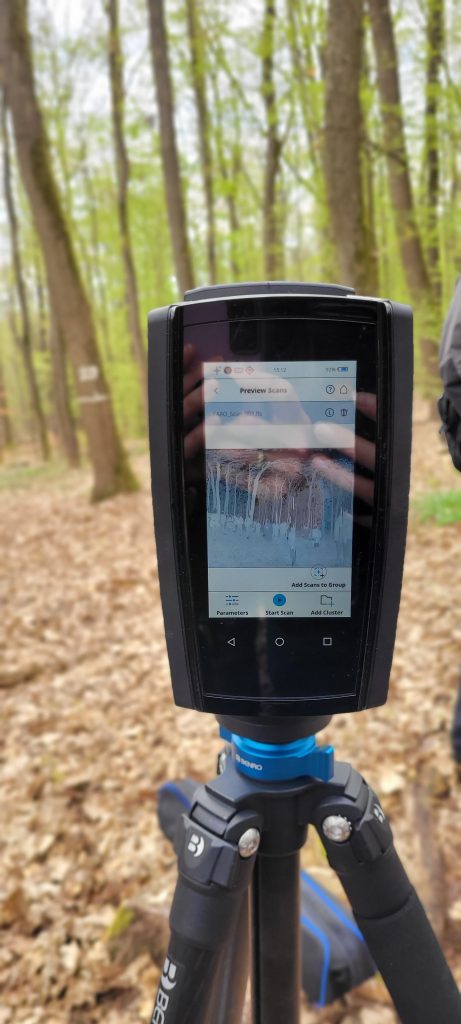
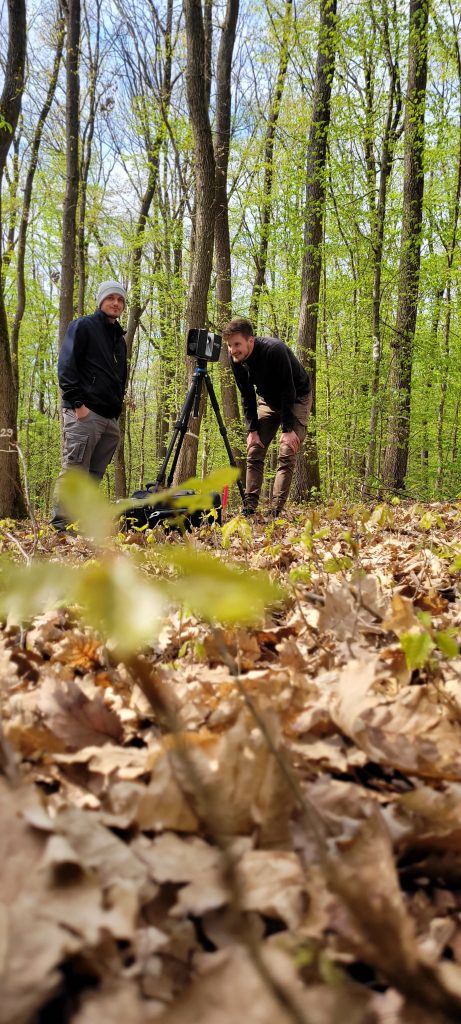
The next stop was Dotrščina Urban Forest, where tradition met technology. Here, scientists from the Croatian Forest Research Institute unveiled how Terrestrial Laser Scanning (TLS) is reshaping forest management. Two types of TLS are currently in use: a static laser scanner with a 150-meter range that performs a full 360-degree sweep over a set period (often up to two hours), and a second, mobile handheld scanner used to complement this data.
Using both handheld and stationary devices, researchers generated 3D “point clouds” of the forest, capturing data on tree structure and density with remarkable precision. Dr. Ivan Balenović and his team explained how this data can inform decisions about thinning, planting, and recreation management. The forest, heavily used by locals for leisure, must balance ecological needs with human enjoyment. Thanks to decades of financial support from the City of Zagreb and implementation by Croatian Forests Ltd., such harmony is not only possible – it’s thriving.
Maksimir Park: Deadwood is for the bugs
The final chapter of the field visit unfolded in Maksimir Park, Zagreb’s most beloved green space and a cultural and natural heritage site. Though not formally part of the Living Lab, its inclusion underscored an essential lesson: successful forest management is as much about communication as it is about conservation.
Here, Irina Zupan from the Public Institution Nature of the City of Zagreb and Ante Pejić from the Working Unit Urban Forestry of Croatian Forests Ltd. shared the complexities of managing a park visited by thousands daily. The focus? How to bridge the gap between forestry and nature protection through open dialogue and shared goals.
The park’s management emphasizes collaboration between nature conservation authorities and Croatian Forests to balance a trio of goals: cultural heritage preservation, biodiversity conservation, visitor safety, and climate change adaptation: after a major windstorm some years ago, forest restoration included planting nursery-grown trees – some sourced from abroad – to ensure genetic diversity and resilience.
Biodiversity remains a hallmark of Maksimir. With over 1,000 recorded species, including rare woodpeckers, the park is home to some of the city’s oldest known trees – for example a 250-year-old Quercus robur, confirmed by counting its rings. Nearby, the legendary “Grandpa Tree,” believed to be around 600 years old, stands as a living monument to resilience.
As emphasized by Irina Zupan, biodiversity protection also requires an ongoing dialogue between forest and nature conservation – exemplarily shown around the issue of deadwood. With a smile on her face, she mentioned that forest managers call the people in charge of nature conservation “bugs” – with a bit of irony of course, because they sometimes feel bothered by their requests. However, through an ongoing exchange and increased collaboration there is a broad awareness of the advantages of both standing and lying deadwood for a rich biodiversity in the forests. That’s why current forest managers like Ante Pejić promote leaving deadwood in the forest, with the comment “deadwood is for the bugs”.
Despite the good collaboration in terms of forest and nature protection management, modern challenges persist. Invasive turtles, likely released by citizens, have begun to disrupt aquatic habitats along the lakeside, while a resident beaver has made its home in the fifth lake – welcomed as a beneficial part of the forest ecosystem.
A Forest Future Forged in Partnership
From the quiet trails of Tuškanac to the lively paths of Maksimir, the Zagreb Living Lab is more than a series of sites – it’s a blueprint for sustainable, people-centered forest management. The common thread across all locations was clear: community matters. Whether through clear communication, participatory planning, or cutting-edge research, the forests of Zagreb are showing that resilience grows stronger when it’s rooted in collaboration.
As the day’s journey came to a close, one thing remained certain: managing forests in the 21st century means more than managing trees. It means listening – both to nature, and to the people who live alongside it.
Last week’s Living Lab Workshop in Zagreb brought together passionate voices and sharp minds to delve into the multifaceted challenges our Living Labs (LLs) face in implementing Integrative Forest Management (IFM). With diverse regional contexts and priorities, one thing became clear in the 3-day workshop with representatives from all seven TRANSFORMIT LLs: while our challenges vary, the core issues unite us.
Together, we explored the pressing dilemmas at the heart of sustainable forest stewardship:
🔹 Timber Production vs. Biodiversity – Striking a delicate balance between economic viability and both biodiversity conservation and long-term ecosystem functioning. 🔹 Climate Change & Natural Disturbances – Addressing the growing threats from wildfires, windstorms, and pest outbreaks that challenge forest resilience. 🔹 Stakeholder Engagement – Harmonizing the interests of forestry enterprises, public authorities, NGOs, and local communities in a shared vision. 🔹 Economic Pressures – Managing the costs of IFM amid limited financial incentives or support mechanisms. 🔹 Regulatory Barriers – Navigating complex land-use rights and diverging approaches to forest elements like deadwood and post-disturbance management.
So how can we tackle these challenges—together?
💡 We identified several cross-cutting solutions that can help pave the way forward:
✔ Knowledge Exchange – Sharing best practices, innovative techniques, and adaptable financial models across Living Labs. ✔ Stronger Stakeholder Engagement – Creating inclusive, participatory planning processes to align diverse perspectives and foster ownership. ✔ Effective Communication – Enhancing public outreach, media engagement, and trust-building to amplify awareness and support. ✔ Climate Adaptation Strategies – Collaborating on research into resilient tree species and proactive disturbance prevention methods. ✔ Sustained Commitment – Building long-term partnerships that carry IFM goals beyond the life of the TRANSFORMIT project.
Our forests are vital for the health of our planet and communities. From biodiversity to climate regulation, their value is immeasurable—and so is our collective responsibility to steward them wisely.
Stay tuned for a more extensive blogpost covering more insights from our field excursion to the Living Lab in Zagreb, our exchange on communication and stakeholder engagement, and our discussions on IFM indicators.
As part of the TRANSFORMIT project’s commitment to fostering collaboration and mutual learning between scientists, practitioners, and forest owners, our Spanish Living Lab partners recently organized an excursion to the Moianès region—just 45 minutes from Barcelona. The trip provided participants with valuable first-hand insights into diverse forest management strategies and their ecological and practical implications.
The first stop focused on post-disturbance management, addressing key challenges such as drought recovery, deadwood management, and species substitution. In their discussions, project partners and Living Lab representatives highlighted the role of mixed stands in either fostering ecosystem resilience or intensifying competition.
At the second site, the participants explored integrative forest management in young Scots pine forests, emphasizing the application of the Potential Biodiversity Index (PBI). This stop showcased biodiversity conservation measures and sustainable silvicultural approaches designed to balance ecological and economic objectives.
The final stop offered a striking perspective on a landscape affected by the 2003 wildfire, sparking discussions on fire as both a major threat and a potential driver of ecological regeneration in Mediterranean forest ecosystems.
This excursion exemplifies TRANSFORMIT’s mission to bridge research and practice, ensuring that forest management strategies are informed by science while remaining practical and adaptive to real-world challenges. Our next Living Lab exchange will take place on 1-3 April 2025 in our Living Lab in Zagreb, where we will discuss stakeholder engagement in the Living Labs, how Living Labs can better exchange knowledge and learn from each other, and how we can define indicators for Integrative Forest Management for better decision-making. Of course, the workshop will also involve an excursion to the city forest in Zagreb, where we will explore how biodiversity conservation is integrated into urban forest management, and how the city forest is being restored after a windstorm.
A new open-access book on Continuous Cover Forestry in Boreal Nordic Countries | SpringerLink brings together cutting-edge research on continuous cover forestry in boreal forests, shedding light on both the knowledge gaps and the promising opportunities this method offers. Leading experts examine key issues such as forest regeneration, genetic impacts, wood production, harvesting techniques, biodiversity, water effects, carbon cycles, economic considerations, and the attitudes of forest owners.
With global demand growing for sustainable forest management that balances raw material production, carbon sequestration, biodiversity, and climate resilience, alternative approaches are gaining attention. While even-aged forest management is well-documented, continuous cover forestry is emerging as a viable, evolving strategy, particularly in boreal regions.
Although a comprehensive synthesis of the field remains a work in progress, this book provides a crucial overview of the latest findings. As new data continues to emerge, it serves as an essential resource for researchers, policymakers, and forest managers looking to stay informed on this rapidly developing approach.
Tree-related Microhabitats (TreMs) are crucial for biodiversity since they host thousands of species. TreMs are discrete habitat patches borne by trees and cover a wide range of lifespans, from days to decades to centuries. The taxa associated with such discrete and sometimes highly temporary habitat patches are likely to be sensitive to spatial distribution because they need to search for new habitats after the occupied one disappears. Although many studies have recently been dedicated to TreMs, only very few have investigated their spatial distribution. A new paper recently published by TRANSFORMIT researchers (Frank Krumm, Miroslav Svoboda, and Andreas Schuck) together with biodiversity experts from several European countries in the journal Biological Conservation tackled this question: Spatial distribution of tree-related microhabitats in European beech-dominated forests – ScienceDirect.
Focusing on European beech-dominated forests, the researchers used a European TreM database with 12,362 trees and 296 plots (ranging from local (0.1–1 ha) to landscape scale (10,000 ha)) to assess TreM spatial distribution patterns in long unmanaged forests. Then, with a TreM sub-database with 6828 trees and 21 plots, the group assessed whether and if so, how harvesting changes spatial patterns at the plot scale. In long unmanaged forests, most TreMs showed a regular pattern at the plot scale and an aggregated pattern at larger scales. Tree diameter was the most influential factor for spatial patterns in TreMs. Spatial patterns at the plot scale in harvested forests differed slightly from those observed in unmanaged forests. To favor TreM-dwelling taxa in harvested stands, the results suggest retaining habitat trees in a regular spatial pattern to mimic the natural pattern. However, some TreMs should be conserved in an aggregate pattern, emphasized the researchers, to specify the spatial scale at which this should be done.
Reference:
Laurent Larrieu, Christophe Bouget, Benoit Courbaud, Inken Doerfler, Nicolas Gouix, Michel Goulard, Sylvie Ladet, Fabien Laroche, Amandine Acloque, Rita Bütler, Daniel Kozák, Daniel Kraus, Frank Krumm, Thibault Lachat, Maxence Martin, Jörg Müller, Yoan Paillet, Andreas Schuck, Jonas Stillhard, Miroslav Svoboda, María Trinidad Torres García, Kris Vandekerkhove, Sergey Zudin, 2025. Spatial distribution of tree-related microhabitats in European beech-dominated forests. Biological Conservation. Volume 301, 2025. https://doi.org/10.1016/j.biocon.2024.110867
If you want to learn more about tree-related microhabitats check out this video:
In TRANSFORMIT, we aim to identify forestry enterprises in Europe that are practicing integrative forest management (IFM). Are there such enterprises in your region? If yes, please contact us, so we can include them in the project!
In TRANSFORMIT, we define IFM as an approach that aims at integrating biodiversity conservation and global change adaptation into forest management for the sustainable provision of multiple ecosystem services. It is guided by natural and diverse forest structures, compositions, and dynamics to support ecosystem functioning and resilience. Its management practices consistently consider the tree, stand, and landscape scale and employ different silvicultural intensities, including intentionally unmanaged forests. IFM can be applied in any type of forest to achieve integrated environmental, economic, and social outcomes.
In order to assess the effectiveness of IFM-practices to achieve ecosystem service provision, forest resilience, adaptive capacity and biodiversity conservation outcomes, we need basic forest measurements (e.g NFI variables) from repeated inventories. Here, we are interested to go beyond stand-level, and look at enterprises (= large area of stands covered by a forest management plan).
Please find more information in our flyer, as well as opportunities for further collaboration.
In today’s world, despite the vast amount of time we spend communicating—whether in meetings, emails, or social media— it often feels like we struggle to engage with different perspectives on a topic. We are also facing this challenge in forest management, where diverse stakeholders, each with unique backgrounds and priorities, must come together to find common ground to support biodiverse and resilient forests for the future.
At our recent “Network of Networks” meeting on 18 September 2024 in Bonn, we sought to bridge this gap through a World Café approach. This way, we created space for authentic dialogue on how we can integrate different forest ecosystem services like biodiversity, water provision and carbon storage into forest management. This format allowed stakeholders to engage in meaningful conversations, understand each other’s perspectives more deeply, and identify new avenues for collaboration. Together, we explored the barriers and enablers to working collectively across different sectors. Finally, we explored how we can continue this networking and keep the momentum.
Across five tables with different discussion topics (Policy, Nature Conservation, Media & Society, Science, Forest Owners), we synthesized key insights on stakeholders’ challenges, interests, and frameworks:
We clearly know that dialogues are only effective when they are closely linked to actions. Therefore, from here, we are moving forward to:
🌳 plan follow-up activities: connecting science, policy, and practice networks in further activities;
🌲 team up with partner projects and networks for common activities (back-to-back meetings, participation and representation in events) and identify synergies in approaches, test sites & living labs, and communication;
💬 strengthen a communication lane for networks on relevant information and involve networks for the design of the knowledge hub.
All of the valuable input will feed into the construction of TRANSFORMIT’s Stakeholder Engagement Hub – more updates and information will follow soon.
Visual Harvesting of the meeting was done by Visuality.
Invite only: World Café on “How to adapt Forest Management to integrate multiple objectives” on 18 September from 2pm to 5pm at Universitätsclub Bonn, Germany.
As part of our new Horizon Europe project TRANSFORMIT, we will provide a platform for both international and regional networks and people to engage in dialogue on different approaches to sustainable forest management. Titled “Network of Networks” meeting and centered around “how to adapt Forest Management to integrate multiple objectives”, we will bring together diverse stakeholders from policy, practice, science, media and civil society to discuss different needs and possible pathways for the future of what we call “Integrative Forest Management”. The workshop takes place on September 18th from 14:00–17:00 CEST and is organized back-to-back with European Forest Institute’s Annual Conference in Bonn.
Why attend? What’s in it for you?
Explore New Perspectives: Engage with a wide array of professionals from policy, practice, science, media, and civil society, expanding your professional network and fostering future collaborations.
Expand your Network: Discover diverse approaches to sustainable forest management and nature conservation and connect with stakeholders from and beyond Europe to gain global perspectives on integrative forest management.
Engage in Co-Creation: Participate in the development of a Stakeholder Engagement Platform designed for intensive collaboration, mutual learning, and knowledge sharing.
Drive Impact: Be part of a World Café session that contributes to impactful discussions on current framework conditions, potential conflicts and synergies, the coherence of political instruments and funding potential for integrative approaches.
Build New Synergies: Join the envisioning of a Stakeholder Engagement Platform that aims to break down silos, foster deeper discussions on forest management, and create opportunities for future collaborations, including the sharing of best practices and innovative solutions through future workshops, webinars, and events.
Don’t miss this opportunity & join us in discussing current barriers,enablersand new opportunities for future collaborations in the field of sustainable forest management and conservation!
————————
World Café – Table Topics & Hosts
Table I – Policy
Host: Steven Dörr, European and International Forest Policy, Federal Ministry of Food and Agriculture (BMEL)
Table II – Nature Conservation
Host: Zoltan Kun, Head of Conservation at WildEurope
Table III – Media & Society
Host: Monika Seynsche, Science Journalist and Moderator
Table IV – Science
Host: Bernhard Wolfslehner, Head of Governance Programme at EFI
Tabel V – Forest Owners
Host: Lucas Freiherr von Fürstenberg, Freiherr von Fürstenberg’sche Forstverwaltung