Forest Dialogue 2026: Biodiversity as a key to resilient forests 

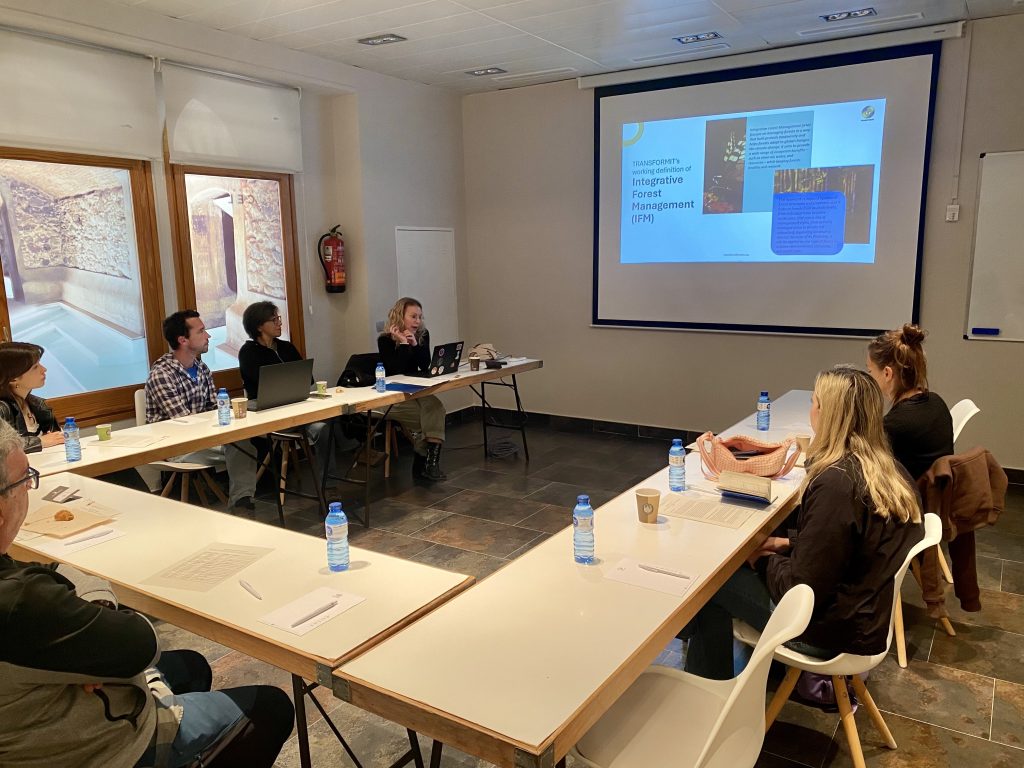
How can biodiversity increase the adaptation capacity and resilience of forests that are also managed for wood production? At WaldDialog – Forest Dialogue – Dialogue Forestier 2026, this question brought together forest scientists, practitioners, policymakers, forest owners, communicators and administrators from Switzerland, Germany, France and beyond. On 10 September 2026, we all gathered at the University of Basel to explore what this means for forests facing increasingly uncertain conditions.

The event, organised by the TriNational ForestLab, SwissForestLab, the Conference of Cantonal Foresters (KOK) and the Swiss Federal Office for the Environment (BAFU), created a space for something our forests – and we as well – increasingly need: dialogue across disciplines, institutions and borders.

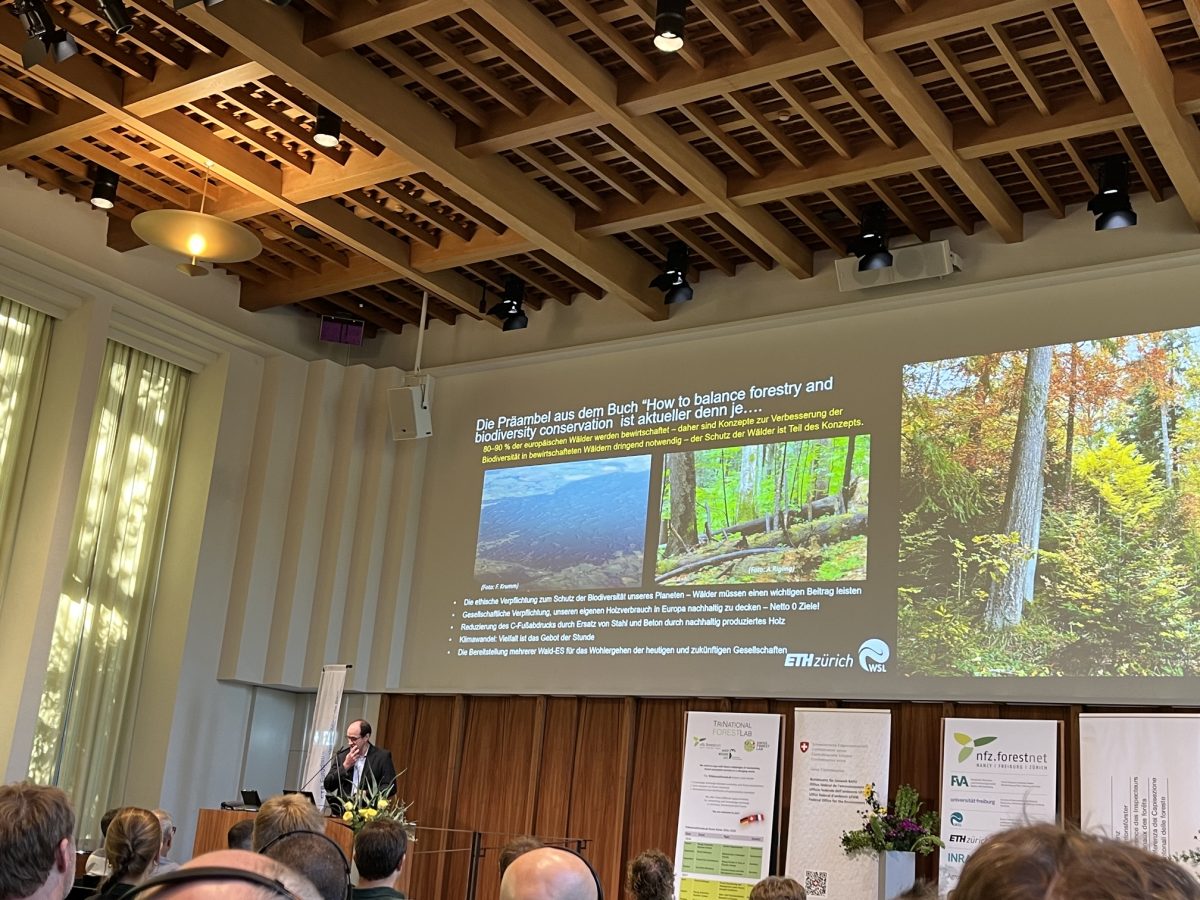
I felt that the urgency of this question was made tangible from the very beginning. As Arthur Gessler (WSL/ETH) emphasized, 2026 marks a turning point. Extreme heat and drought are increasingly visible in forests, with trees such as beech already showing severe stress early in the growing season. Across the Basel region, monitoring indicates that rainfall has been reduced in almost every month, leaving forests under considerable pressure, Gessler emphasized.

A strong argument for diversity

A recurring theme throughout the presentations was that diverse forests are better equipped to cope with climate change and uncertainty. Research presented by Hervé Jactel (INRAE) showed that mixed forests tend to be more resilient to drought, fire and wind disturbance than monocultures. They can also be more productive: mixtures of coniferous and broadleaved species can benefit from complementary traits such as different rooting depths and patterns of water use. However, a specific mixture of broadleaved and conifer species is needed for both forest resilience and productivity, and that mixture needs to be identified. Still, the results are promising, highlighting the potential of diversity to strengthen forests in a changing climate.

Diversity, however, is about more than simply planting several tree species. Genetic diversity within species can provide the basis for adaptation to changing conditions, as Jörg Kleinschmit (FVA) highlighted. The choice of tree species — and potentially the use of assisted migration — therefore needs to be considered alongside the genetic resources available to forests.

At the same time, biodiversity conservation cannot be reduced to tree diversity. Frank Krumm and Martin Gossner (both WSL) highlighted the importance of habitat trees, microhabitats and deadwood. Microhabitats are small, specialised structures such as tree cavities, cracks, loose bark or dead branches that provide food, shelter or breeding sites for many species. Many of these valuable structures are found in or develop from deadwood, making it an important element of forest biodiversity. Around a quarter of forest species are closely dependent on it, while many more benefit from it. Natural forest reserves therefore remain an essential component of biodiversity conservation, particularly for species requiring specialised deadwood structures, Gossner emphasized.

Potential of biodiversity in managed forests

But managed forests also offer opportunities, and this event mainly aimed at exploring these. Instead of viewing biodiversity conservation and forest management as separate worlds, foresters can actively create microhabitats and make use of structures generated by natural disturbances. This is where the concept of “close-to-nature forestry” becomes particularly relevant: working with natural processes rather than against them, while maintaining the multifunctionality of forests.
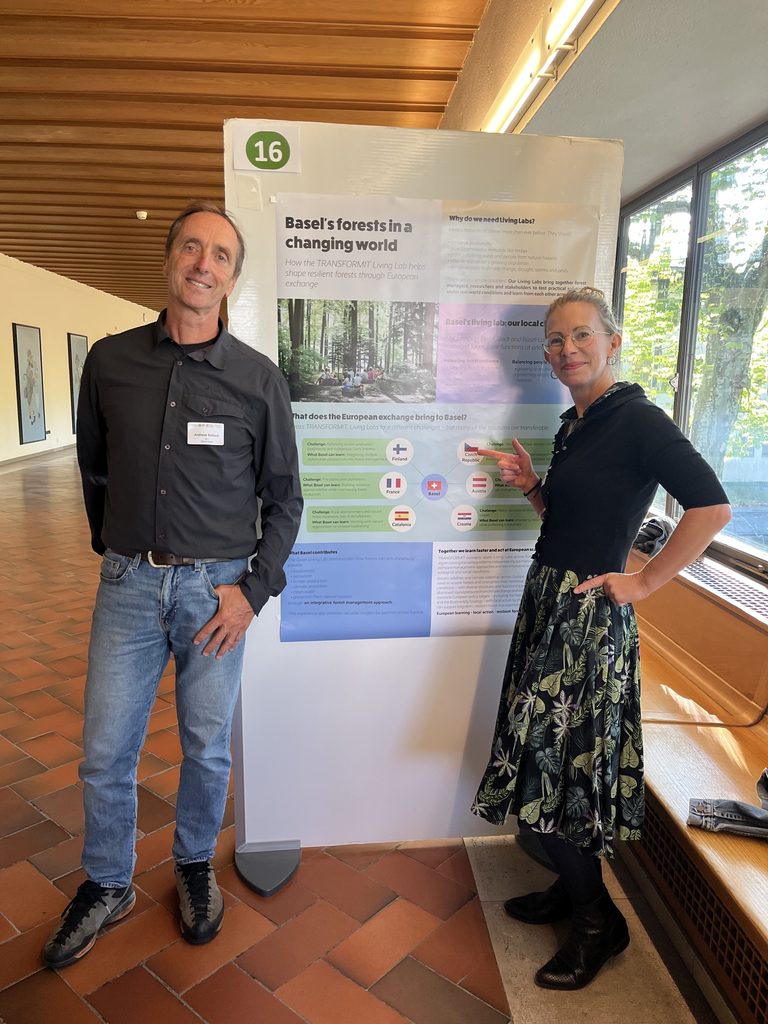
The practical examples presented during the afternoon demonstrated that these ideas are already being put into practice. Case studies from Switzerland included a presentation by our Living Lab partner Amt für Wald beider Basel, Switzerland, represented by the coordinator of the Living Lab Ueli Meier. Examples from Baden-Württemberg (Germany) and Alsace (France) showed how natural regeneration, species diversification, habitat trees and the retention of surviving trees after disturbances can gradually transform forest composition. In Baden AG, for example, the proportion of broadleaved trees increased substantially over 25 years, supported by a strong focus on natural regeneration.

The discussions also made clear that there are no simple or one-fits-all solutions. Increasing deadwood can create safety challenges for forest workers. Changing tree species can involve economic and ecological uncertainties. Continuous-cover forestry offers structural and species diversity but also faces questions around economic risks and social acceptance. And local conditions matter enormously.

From local conditions to European approaches

This is precisely why this cross-border dimension of Forest Dialogue was so valuable. Drought, heat, pests, biodiversity loss and changing societal expectations do not stop at national borders. Forests may be managed locally, but the challenges they face are European.

The direction of European policy reflects this reality. The EU Biodiversity Strategy for 2030 and the Nature Restoration Law place increasing emphasis on restoring ecosystems, improving biodiversity and strengthening resilience. Yet this does not mean that Europe needs one standardised model of forest management. Instead, European objectives must be translated into approaches that work under different ecological, economic and social conditions.
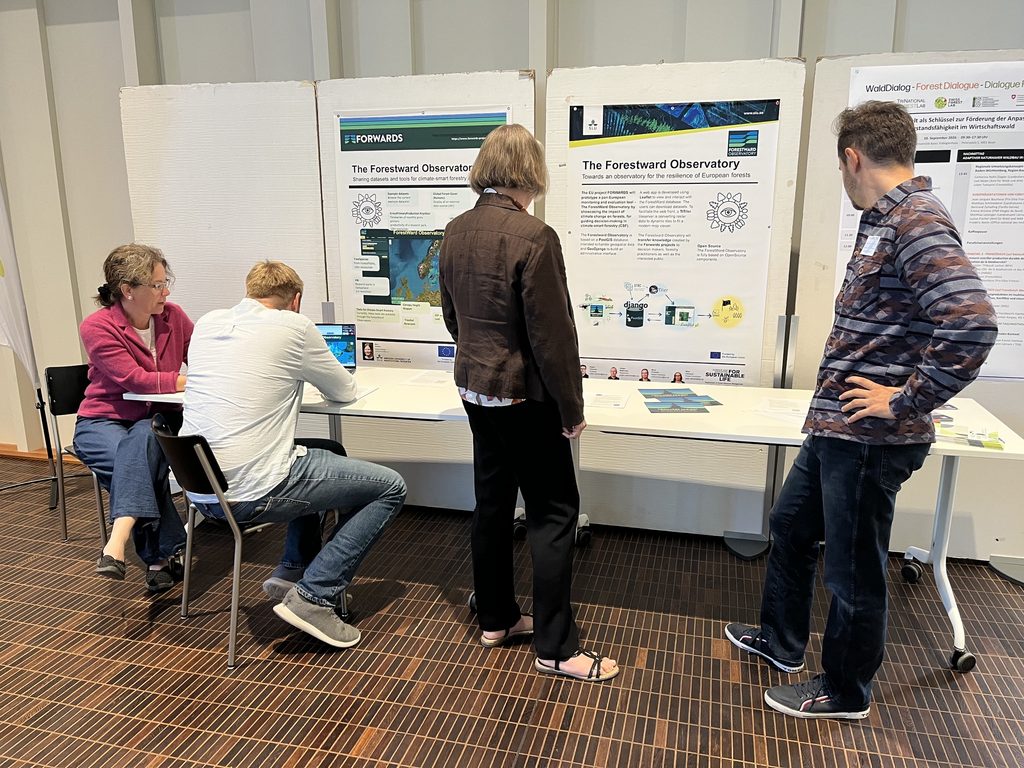

FORWARDS presentation by Barbara Mihok

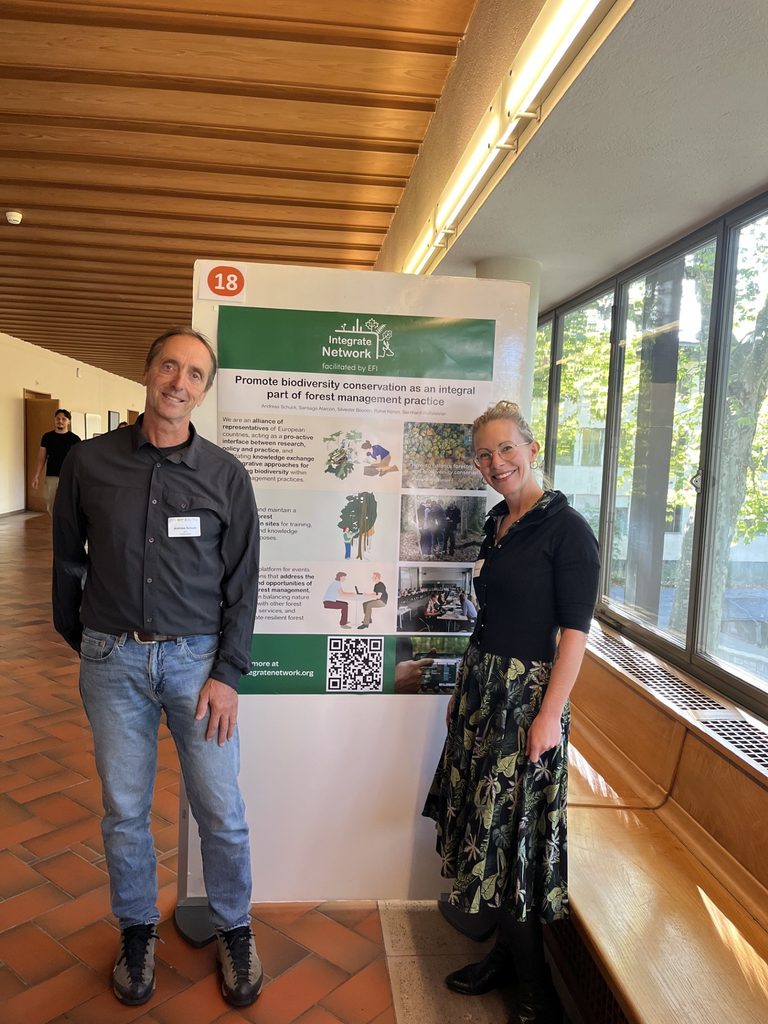
For me, one of the strongest messages from Forest Dialogue was therefore the importance of knowledge transfer as a three-way process. Science needs to inform practice, but researchers also need to learn from the experience of those working in forests every day. The role of policy makers is to provide the interface between science and practice: translating evidence and practical experience into effective policy, while also ensuring that the realities and lessons from the field feed back into policy development. In this way, policy can become not simply an end point for knowledge, but a bridge that connects research, practice and decision-making. Projects such as TRANSFORMIT and FORWARDS as well as an established collaboration like the European Network Integrate (all presented there by my colleagues and me in sessions, via posters and talks) demonstrate different ways of connecting research, policy, and practice. TRANSFORMIT, for example, brings these communities together through Living Labs, stakeholder engagement and the development of practical, evidence-based guidance for Integrative Forest Management. FORWARDS connects scientific monitoring, modelling and data with the needs of forest managers and policy makers, with its ForestWard Observatory designed to support decisions on climate resilience and forest adaptation. The European Network Integrate provides a longer-term interface between the three, combining scientific evidence with demonstration sites, practical experience and policy exchange across countries.

The Forest Knowledge Gateway offers a practical platform to bring these different strands of knowledge together. It makes scientific findings, practical experience, tools and other resources easier to discover and access, helping users find relevant knowledge for the challenges they face in their own forests. In this way, the Gateway can help bridge the gap between knowledge being produced and knowledge being used.
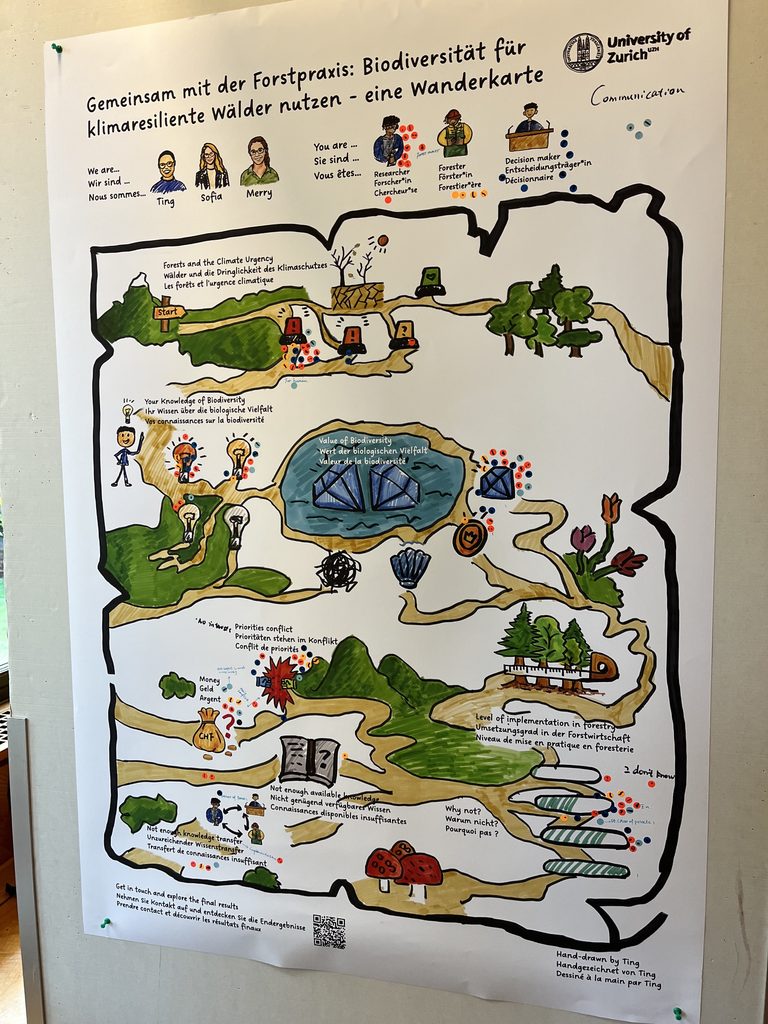
What a nice resilient forest game developed by Ting Tang (ETH Zürich)

Ultimately, knowledge only becomes valuable when it helps someone to make a better decision in the forest – this is why I also very much enjoyed the presentations by forestry practitioners, who shared what answers they need from research and thus made the exchange more fruitful.

That is what made the Forest Dialogue 2026 particularly encouraging. Despite different perspectives and some smaller controversies, there was a shared recognition that biodiversity, climate adaptation and forest management must be considered together. Bringing different perspectives into the conversation is essential to understand the challenges from all sides, identify solutions that work in practice, and build the trust needed to put them into action. Dialogue and meaningful stakeholder engagement are therefore not just a way of exchanging knowledge – they are part of the process of finding a way forward for resilient forests.
Webinar: Marteloscopes as tools for Integrative Forest Management

On 26 June 2026, the FOREXT Fridays webinar series will bring together forest professionals, advisors, researchers, and stakeholders for an engaging webinar exploring how Marteloscopes can support integrative forest management and informed decision-making across Europe’s forests.
Organised in partnership with the EU-funded FORADVISE project, this edition of the FOREXT Fridays webinar series will showcase practical Marteloscope experiences from Ireland and Germany, demonstrating how these innovative learning and decision-support tools help balance ecological, social, and economic forest objectives.

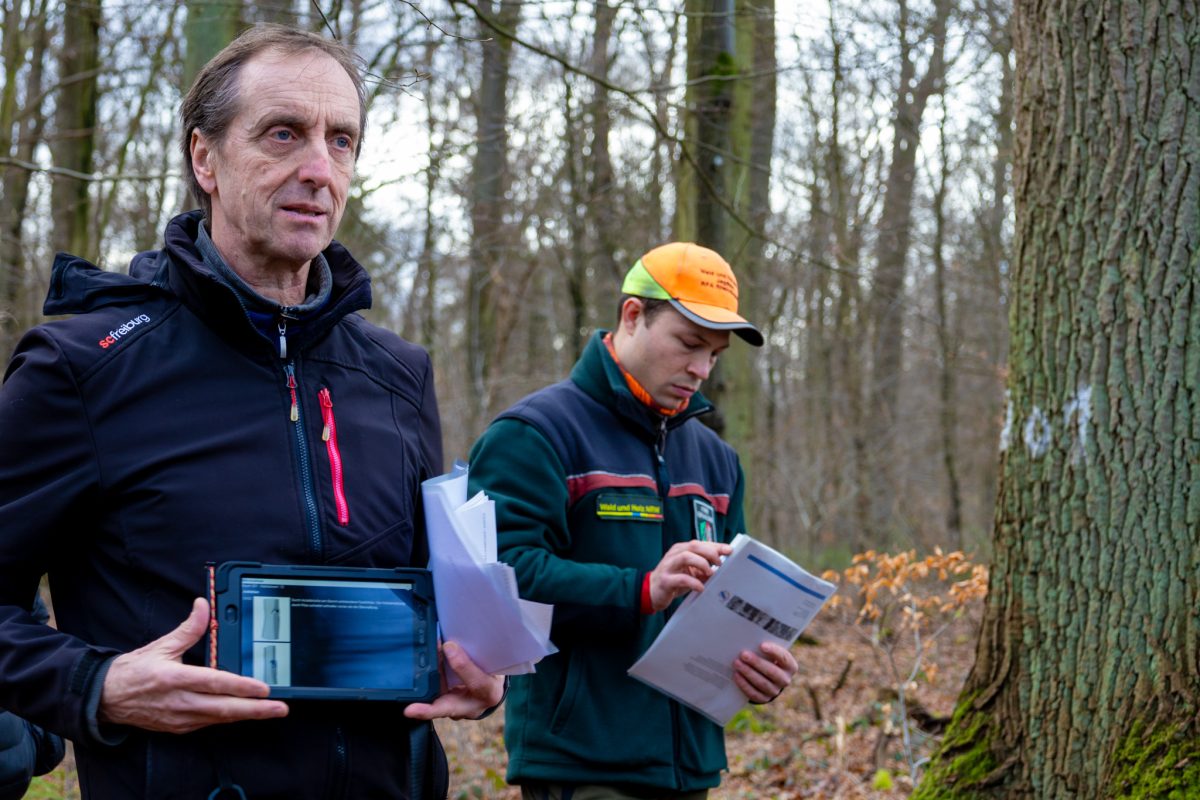
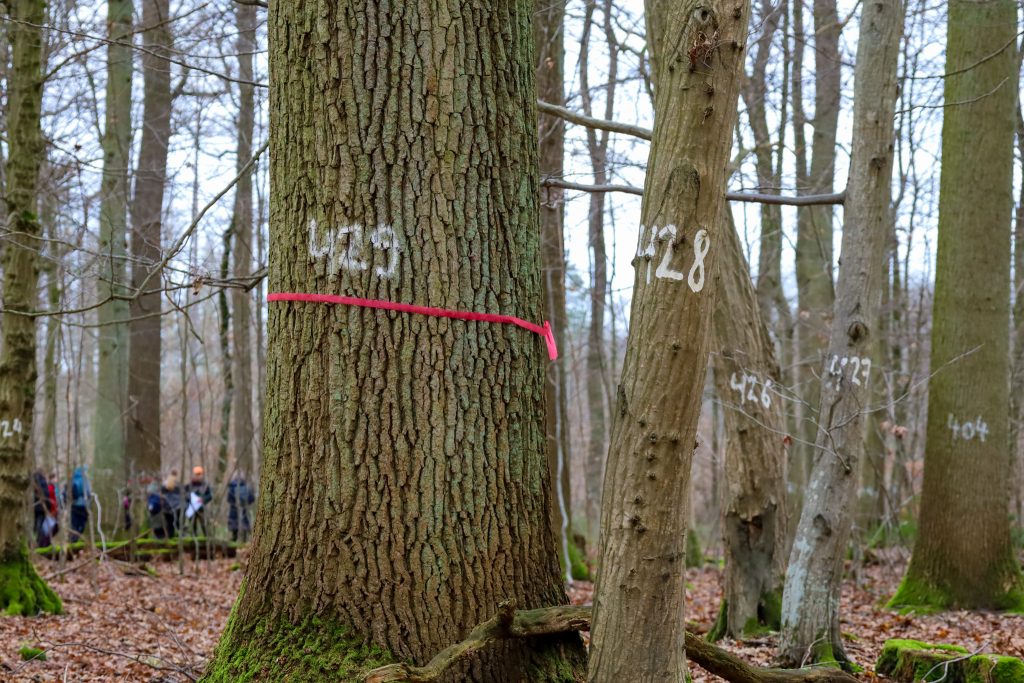
A Marteloscope is a specially designated forest area where every tree is tagged, measured, and mapped. In addition to timber-related information such as wood quality and market value, detailed data are collected on biodiversity features including cavities, deadwood, fungi, lichens, nests, and other microhabitats. By bringing these different dimensions together, Marteloscopes provide a unique environment for training, stakeholder engagement, and testing management decisions in a realistic forest setting.

Marteloscope exercise in the Kottenforst, close to Bonn, Germany (photo: Rosa Castañeda)

As forests face growing demands related to climate resilience, biodiversity conservation, timber production, and recreation, integrative forest management has become increasingly important. Marteloscopes offer a practical way to visualise trade-offs, foster dialogue among stakeholders, and strengthen the capacity of forest advisors and managers to make balanced, evidence-based decisions.

The webinar programme will introduce the Marteloscope concept through the Integrate Network before presenting two case studies. Participants will learn about a Marteloscope initiative in Ireland and discover how Marteloscopes in North Rhine-Westphalia, Germany, are being used as effective tools for stakeholder engagement. The session will conclude with a discussion on how these approaches can support forest advisors in addressing complex management challenges.

The webinar will take place online on 26 June 2026 from 13:00 to 14:00 CEST. Participation is open to anyone interested in sustainable and multifunctional forest management.

Join FOREXT Fridays to explore how Marteloscopes are helping turn the principles of integrative forest management into practical action on the ground. Register here: FOREXT Fridays – FOREXT

Europe’s forest future on the ground: building resilient landscapes in Catalonia’s forests 

by Gesche Schifferdecker (EFI), with editorial input from Teresa Baiges Zapater (CPF) and Rahel Könen (EFI)

What does it take to manage a forest in a world of increasing drought, wildfire risk, and uncertainty? Who decides what forests should provide – timber, biodiversity, climate protection, or recreation? How can so many different expectations be reconciled on the same piece of land? And what is the role of private forest owners in this complex environment? 

These were some of the questions that framed our workshop on 7 May in the Moianès region of Catalonia, where we brought together journalists, researchers, forest owners, policy experts, conservationists, and practitioners. The event was organized by the European Forest Institute and the Forest Ownership Centre of Catalonia as part of the TRANSFORMIT project. 

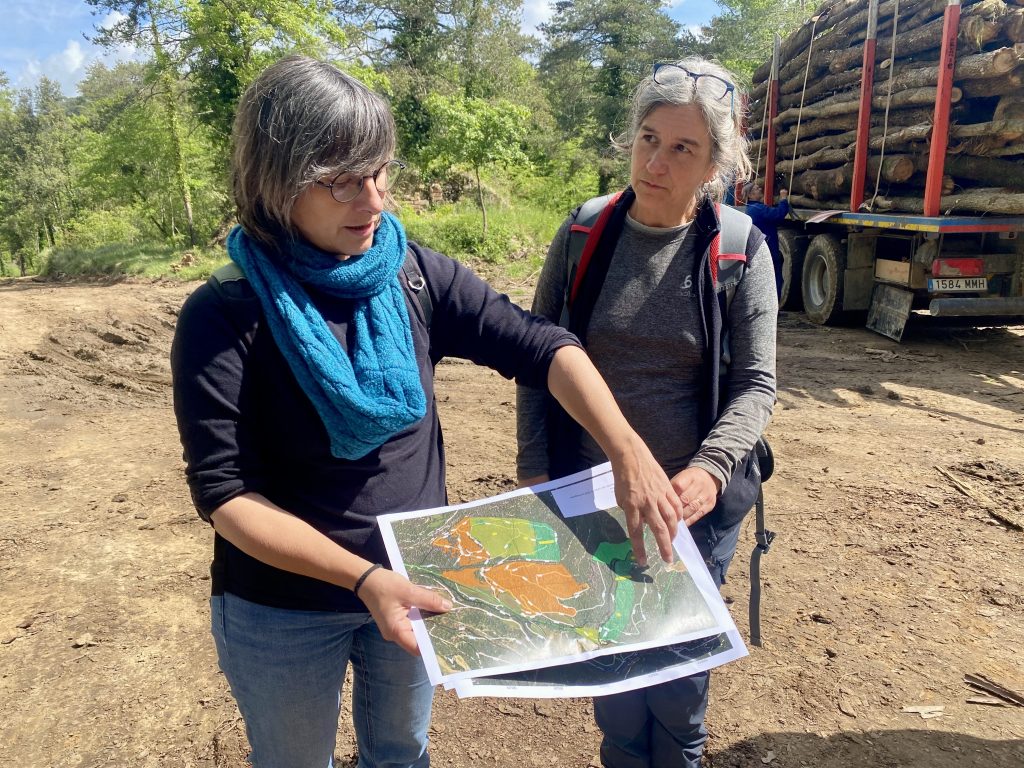
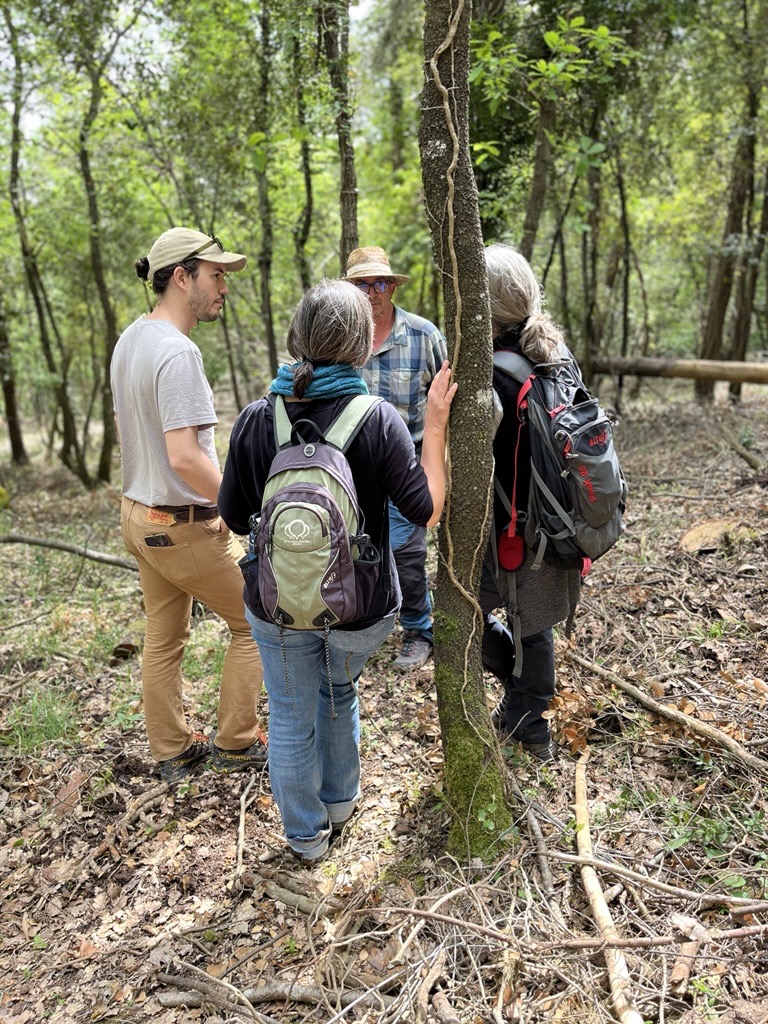
Crucially, this was not a conventional workshop. The Catalan region of Moianès is one of TRANSFORMIT project’s Living Labs – a landscape where different actors come together to test, observe, and co-develop new approaches to forest management in real time. Instead of staying in a conference room, we spent the day moving through the sites of the Living Lab: walking through forests, visiting farms and vineyards, and stopping in small villages – and speaking directly with the people who are dealing with these questions in practice. 

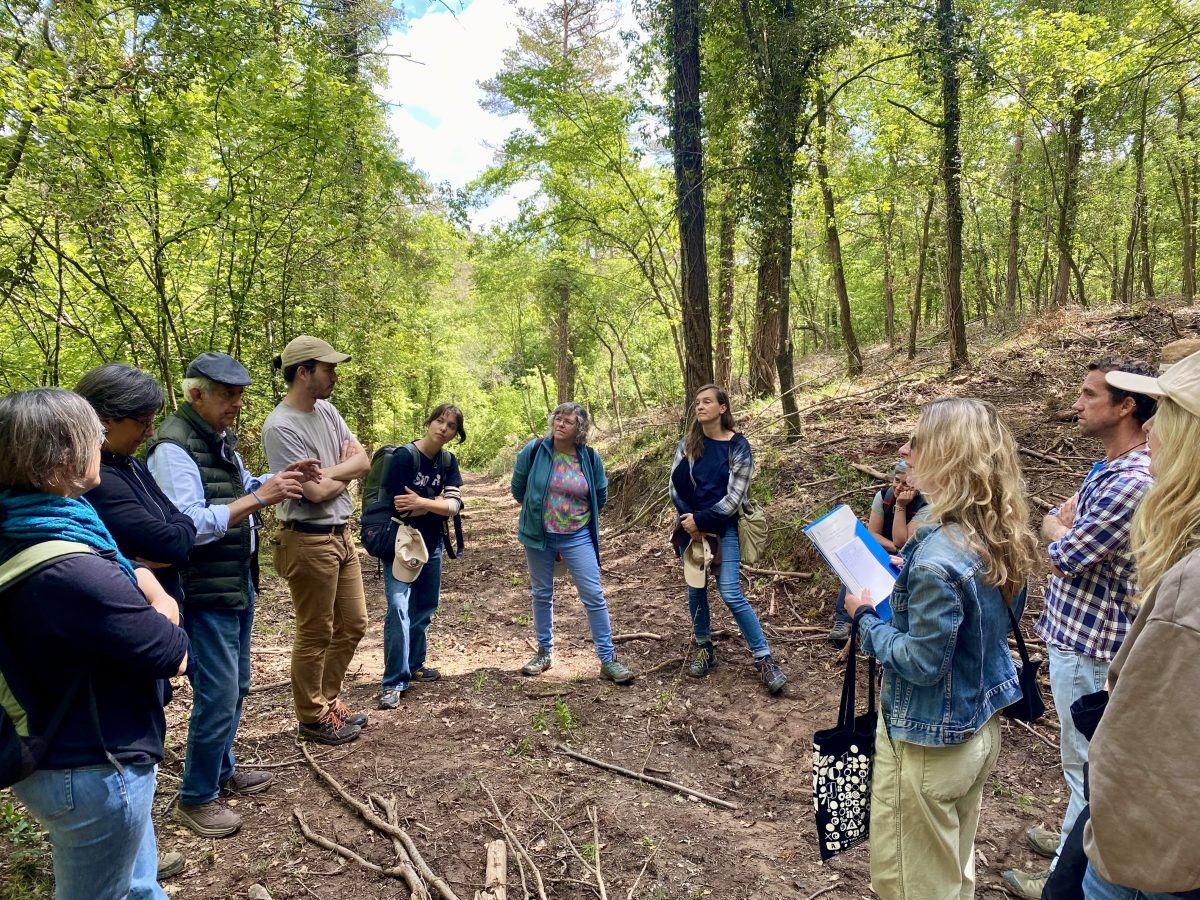
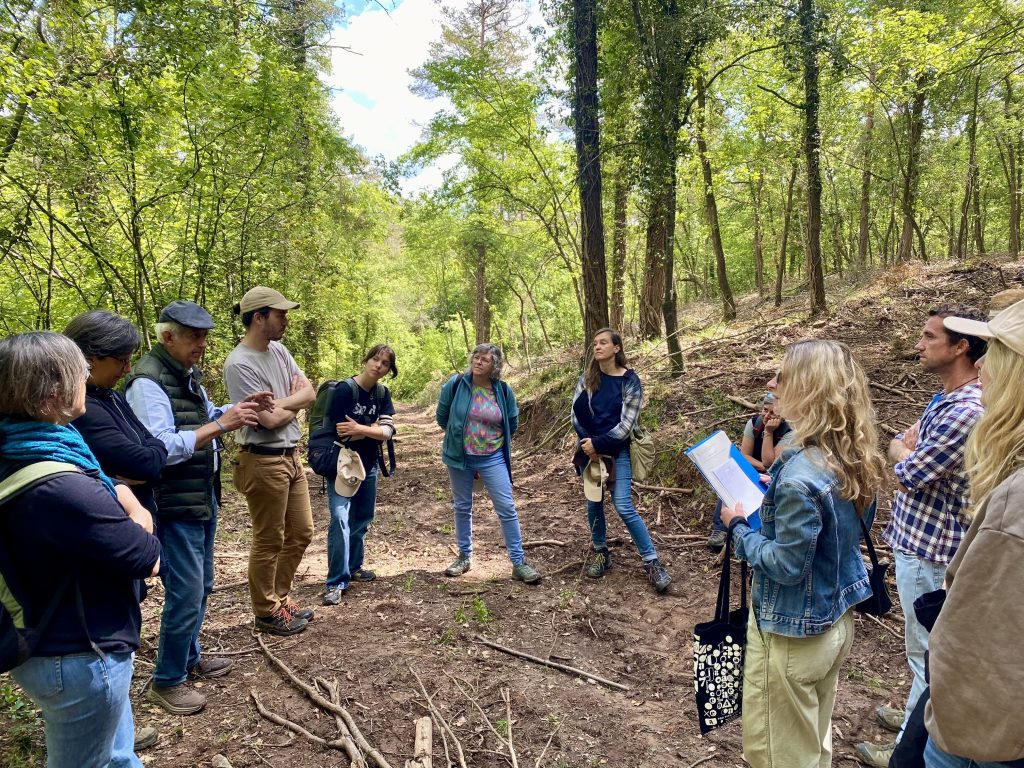
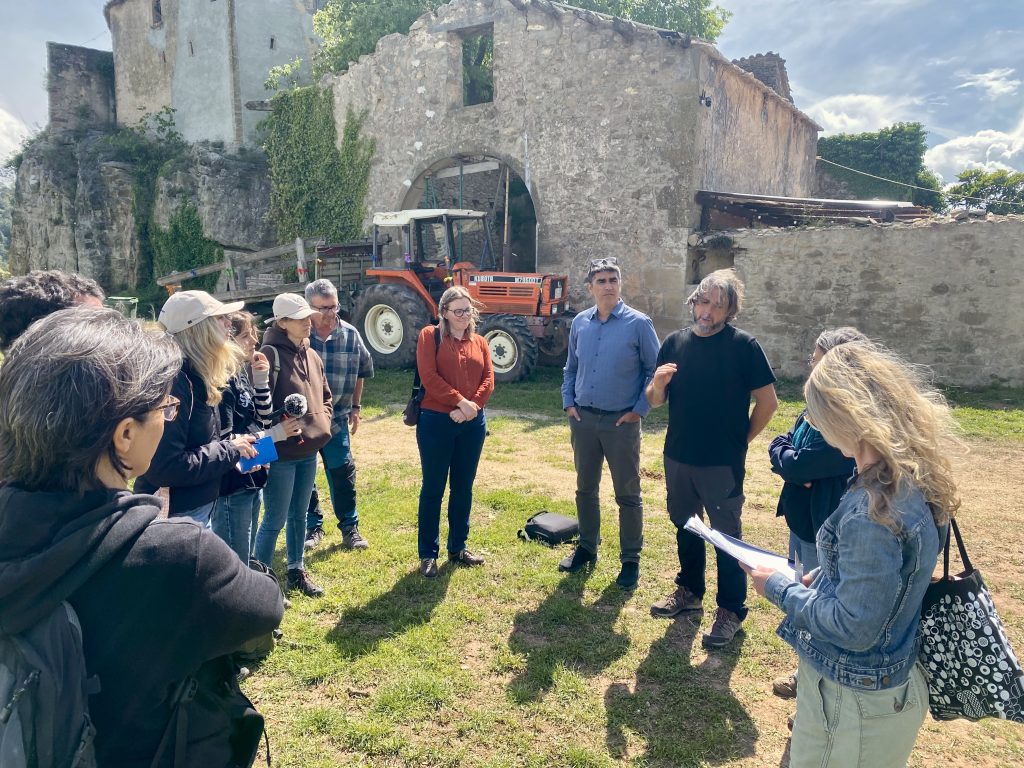
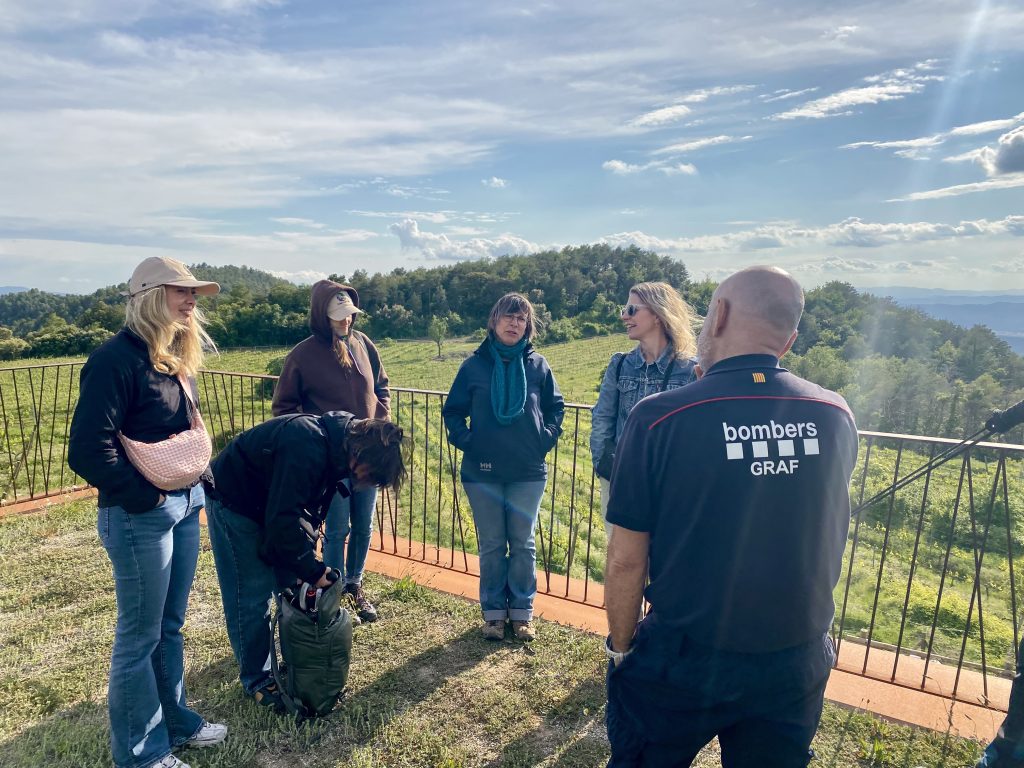
Group discussion at first field stop at La Noguera Farm near Castellterçol

The setting could not have been more relevant. In Catalonia, forests are everywhere. They stretch from the Mediterranean coast to the Pyrenees, covering nearly two thirds of the region. Yet despite this abundance, there is a striking paradox: only 1/3 of these forests are managed, often economically unprofitable, increasingly vulnerable to drought and wildfire, and frequently at the center of debate over what forests are actually most important for. 

What emerged over the course of the day was not a single solution to Europe’s forest challenges, but something perhaps more important: a shared willingness in the Living Lab to experiment, collaborate, and rethink old divisions between conservation and production. 

Integrative Forest Management – a more holistic approach? 

The morning began in Caldes with discussions around a term that would accompany us throughout the day: Integrative Forest Management (IFM). Unlike approaches that focus only on timber production or only on strict protection, IFM attempts to work across scales and interests. It recognizes forests as ecosystems that must simultaneously provide biodiversity, climate resilience, livelihoods, recreation, clean water, and raw materials. Compared to other areas in Europe, in the Mediterranean, forest management is already fulfilling many of the IFM criteria, then, what can IFM bring? What needs to be transformed?

Gesche Schifferdecker (EFI) introducing journalists to the vision behind Integrative Forest Management

One participant described IFM as a “landscape perspective” rather than a single management technique, using a broad understanding of landscape that also includes the people who live within it. Some areas may be actively managed, while others are left untouched. The key idea is flexibility: adapting management to local ecological and social conditions while trying to balance environmental, economic, and social objectives with the objectives of forest owners. 

As the day unfolded, it became increasingly clear that small private forest owners – despite their diverse backgrounds and perspectives – are true stewards of forests. At the same time, the conversations showed that forestry is no longer discussed solely among foresters. Throughout the TRANSFORMIT project, partners have been working closely with forest owners, practitioners, policymakers, and conservation groups through workshops, trainings, webinars, and of course other Living Labs across Europe. The emphasis is on learning together rather than prescribing solutions from above.
That collaborative spirit felt particularly important in Catalonia, where forests are highly fragmented in terms of ownership, explained Teresa Baiges Zapater from the Forest Ownership Centre – Forestry administration of Catalonia (CPF). Around 78% of forests are privately owned, often by families with relatively small properties. Many owners inherited their land rather than actively choosing forestry as a profession, and forest management plans remain voluntary.  

Teresa Baiges Zapater (CPF) and Mercè Vildardosa (CPF)

As we learned from the Forest Ownership Centre, Catalonia’s forests are also surprisingly young. Large areas of agricultural land were abandoned over the past century, allowing forests to regenerate naturally. While this reforestation has increased tree cover, it has also created dense, relatively uniform forests that are increasingly vulnerable to drought and wildfire. 

Climate change and disturbances: changing realities for forest owners 

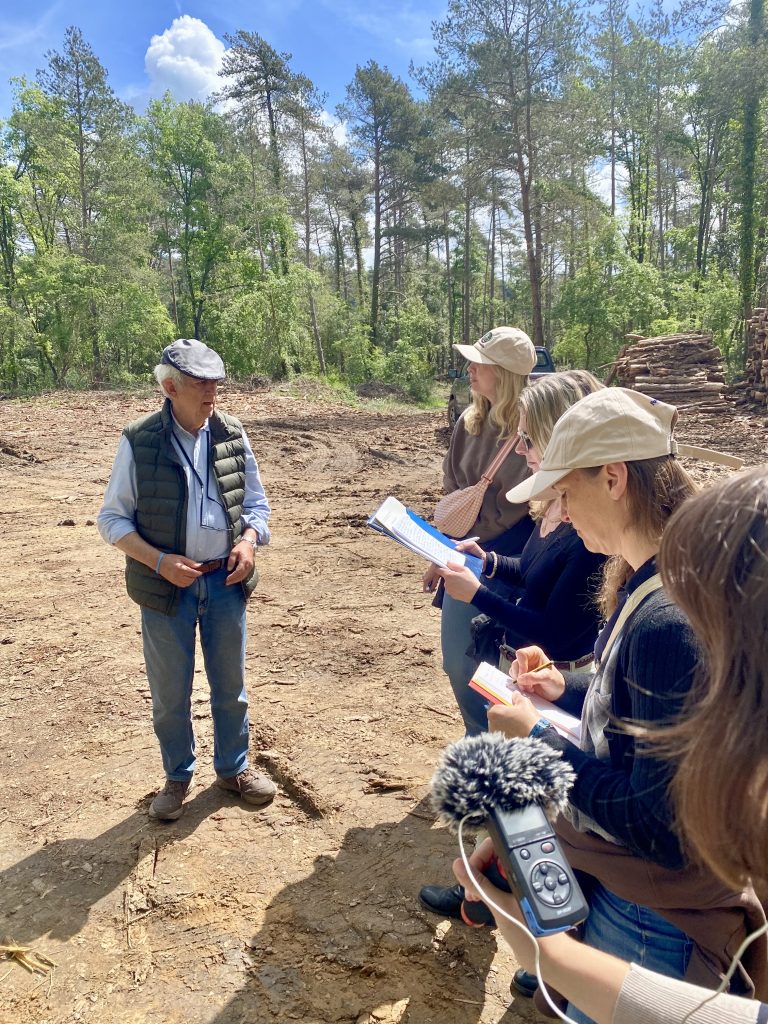
The challenge is intensified by climate change. The years between 2012 and 2023 were described as the driest period in 200 years. During our first field stop at La Noguera Farm near Castellterçol, researcher Josep Maria Espelta from the Centre for Ecological Research and Forestry Applications (CREAF) explained that drought has already affected around 100,000 hectares of forest – an area comparable to the amount burned by fire in Catalonia since the 1980s. 

Standing among Scots pine forests, the consequences became tangible. Many trees were weakened or dead, competing for increasingly scarce water. As Josep Maria Espelta emphasized, drought is now becoming as important a disturbance as wildfire in Mediterranean forests. 
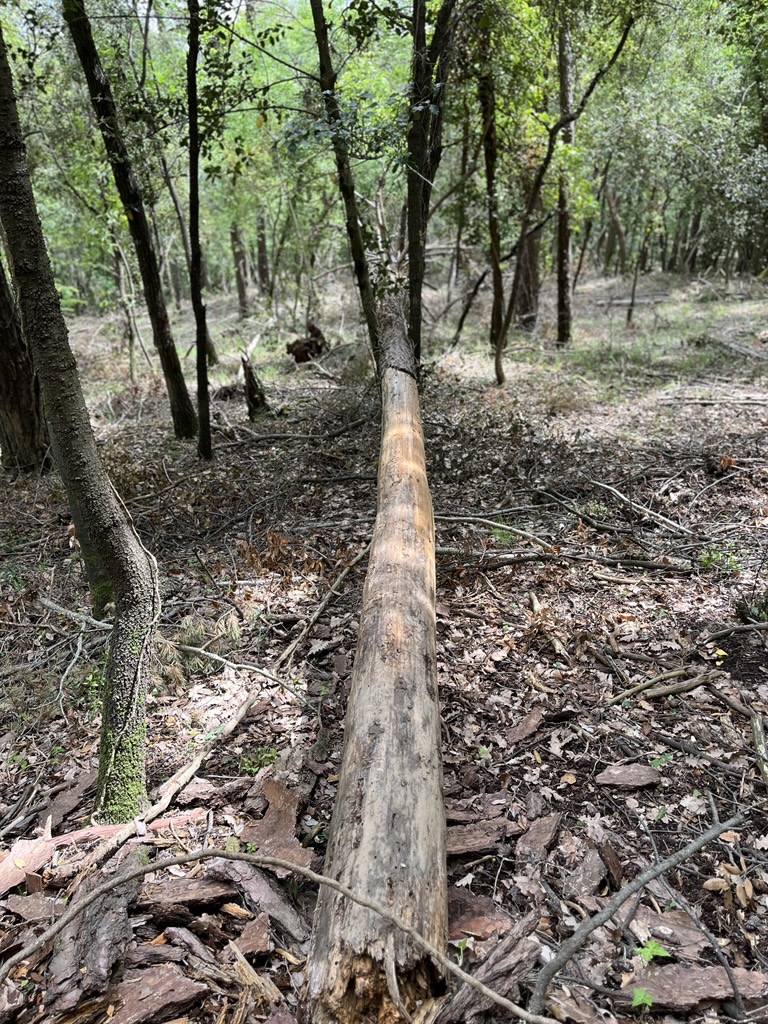
This changing reality is forcing forest owners and managers to rethink old assumptions. One particularly interesting discussion focused on deadwood. Traditionally, removing dead trees has often been seen as necessary to reduce fire risk. Yet deadwood is also critical habitat for countless species and for forest resilience. 

The Living Lab in Moianès is experimenting with different approaches: some plots have all deadwood removed, others retain 20%, while in some areas all deadwood remains, explained Eva Gabriel de Franscisco (CPF). Researchers are monitoring how biodiversity responds under these different scenarios, both at the forest stand and at the landscape scale. Rather than promoting one universal answer, the Living Lab approach allows stakeholders to test trade-offs together and adapt based on evidence and the local context. 

How the Living Lab fosters collaboration 

What made these discussions especially compelling was hearing not only from scientists, but also from local conservationists and forest owners. 

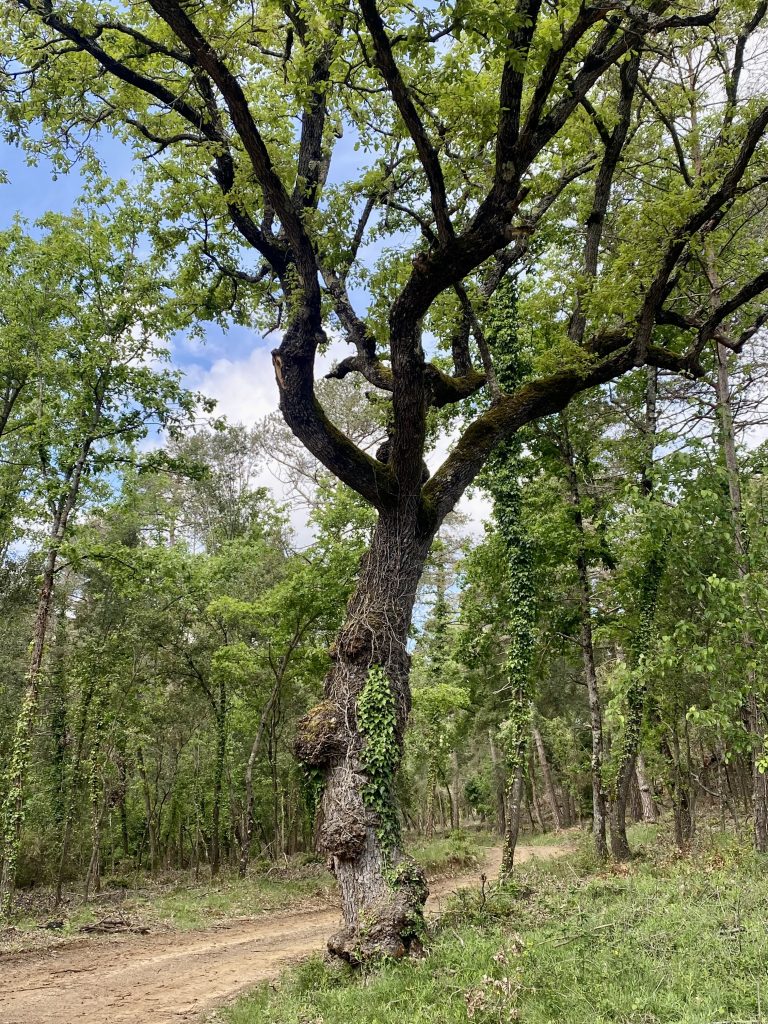
Pilar Clapers, a passionate birdwatcher and member of the local NGO El Fanal, spoke about why she joined the Living Lab. For her, collaboration between ecologists, forest owners, and managers is essential in a time of biodiversity decline. One story she shared stayed with many of us: after identifying a rare oak species for the region in the area where salvage logging was taken place, forest owner Antoni Masferrer agreed that these trees would remain untouched, even if their wood is valuable as firewood. A small decision perhaps, but one that symbolized the trust slowly being built between groups that are often portrayed as opponents.  

Antoni Masferrer himself offered a perspective grounded in practicality and responsibility. His motivation for managing forests, he explained, is to leave them in a better condition for future generations while reducing fire risk and earning at least some modest income. At one point he compared forest management to going to the hairdresser: maintenance matters. 

But his comments also revealed the economic fragility behind many privately owned forests. Timber prices remain low, much of the wood is used for pallets or pellets, and qualified labor is difficult to find and afford. Many forest owners are aging, while younger generations often have little interest in taking over management responsibilities. 
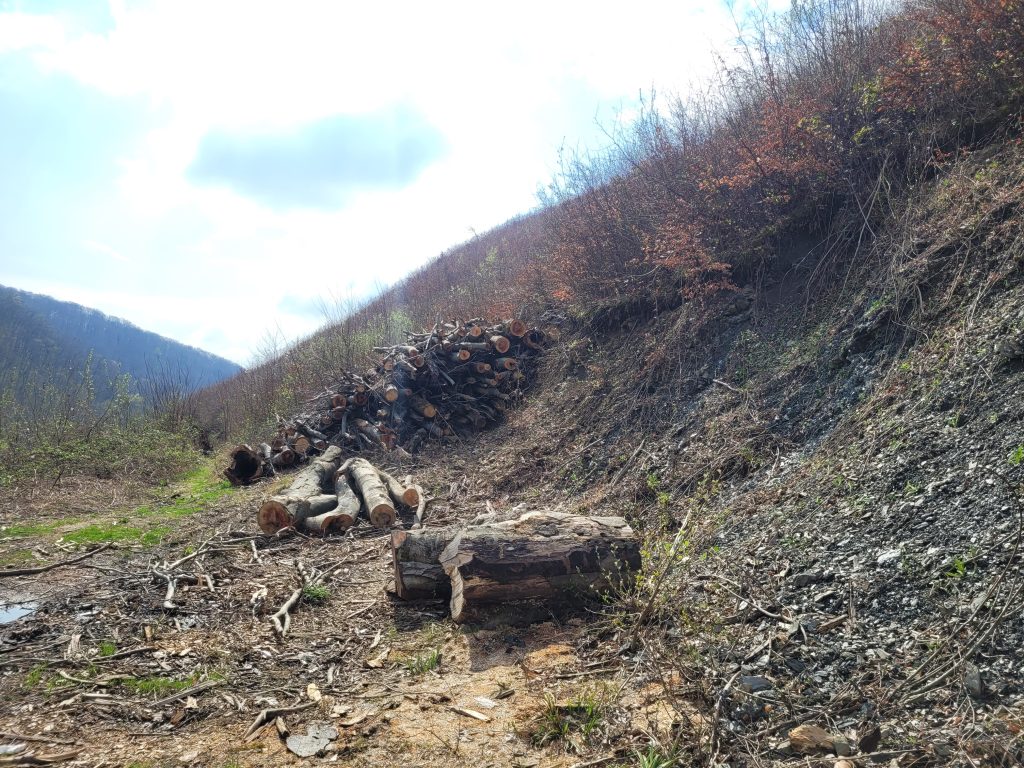
“Forest owners don’t want to leave the forest as a burden,” he said. 

And who should pay for this? 

After lunch, discussions turned toward one of the central questions underlying the entire workshop: if society wants healthy, resilient, biodiverse forests, who should pay for them? 

Catalonia’s Climate Credit System offers one possible answer. Presented by Teresa Baiges (CPF), the scheme aims to finance integrative forest management through payments for ecosystem services. 

Unlike many carbon credit systems, the goal is not simply to maximize tree planting or carbon storage. Instead, the system focuses on maintaining healthy forests that are better adapted to climate change and less vulnerable to disturbances such as wildfire and drought. 

One innovative aspect is that particularly forest owner associations – rather than individual owners – can apply. This encourages collaboration at landscape scale, which is crucial for addressing wildfire risk, and services related to water and ecological connectivity. 

The credits are sold to both public and private actors, including companies interested in strengthening their environmental commitments or complying with emerging sustainability regulations. Because projects are local, buyers can visit the forests they support, creating a stronger connection between financing bodies and landscapes impacted by their sponsorship. 

Importantly, the money is provided upfront rather than after management actions are completed, helping overcome one of the major barriers many forest owners face. 

New landowners shaping transformation 

In the afternoon, the focus shifted toward another transformation taking place in Catalonia’s forests: the changing profile of forest owners themselves. 

One of the most inspiring conversations came from Dones de Bosc, the first association of female forest owners in Spain. Founded only in 2025, the network has already grown rapidly. 

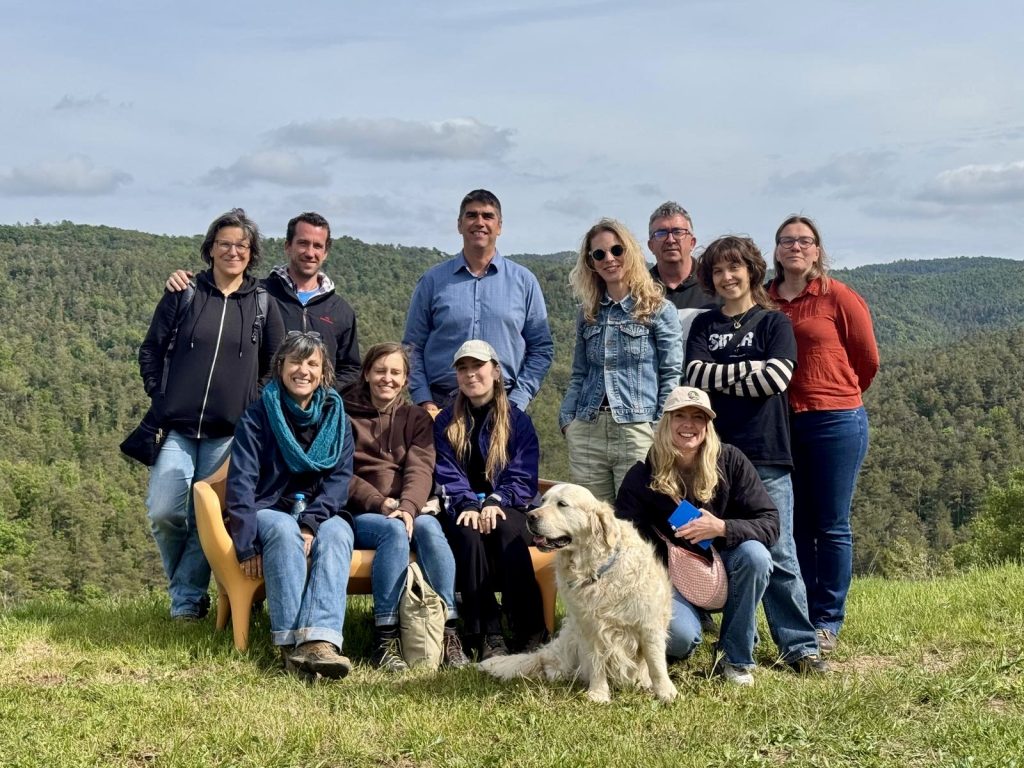
left to right (top row): Eva Gabriel (CPF), Pau Santeugini Ochoa de Aspuru (CPF), Jordi Tarradas (Boscat), Gesche Schifferdecker (EFI), Josep Maria Espelta (CREAF), Agatha Allain (Journalist), Solveig Andresen (Dones de Bosc); left to right (bottom row): Teresa Baiges Zapater (CPF), Linda Osusky (Journalist), Rahel Könen (EFI), Natalie Donback (Journalist)

One of its members, Solveig Andresen, explained that although many women own forests, they remain underrepresented in traditional forestry structures. The association aims not only to increase visibility and leadership, but also to create a supportive community for shared learning and collaboration. 

During earlier training sessions organized by the Forest Ownership Centre, around 100 women attended workshops on developing forest management plans – a sign that interest and engagement are growing quickly. Several participants assumed that women may be more likely to approach forest ownership from perspectives centered around care, sustainability, and long-term stewardship rather than extractive models and principles. 

At the same stop, Jordi Tarradas from the Federation of Forest Owners’ Associations Boscat highlighted the importance of local collaboration more broadly. For many small forest owners, individual management is economically impossible. Associations allow them to share knowledge, coordinate fire prevention efforts, and strengthen their political voice. 

Third stop discussing various forest owners’ perspectives at Carlos Cortés’ land

New forest owner Carlos Cortés, who only recently bought a forest area of 120hectares, indicated that he is looking into different funding sources, and that he is grateful for the guidance of the Associations. His passion for his property became clear when he said: “I have heard a call from the land and that’s why I have bought it”. His primary goal is to increase the resilience of the forest and to maintain it for future generations, similar to the other forest owners who have joined our trip. 

Managing land for production and fire prevention 

Throughout the day, wildfire remained a recurring theme. In Mediterranean landscapes, fire prevention cannot rely only on what happens inside forests. It also depends on agriculture, grazing, and maintaining mosaic landscapes that slow the spread of fire. 
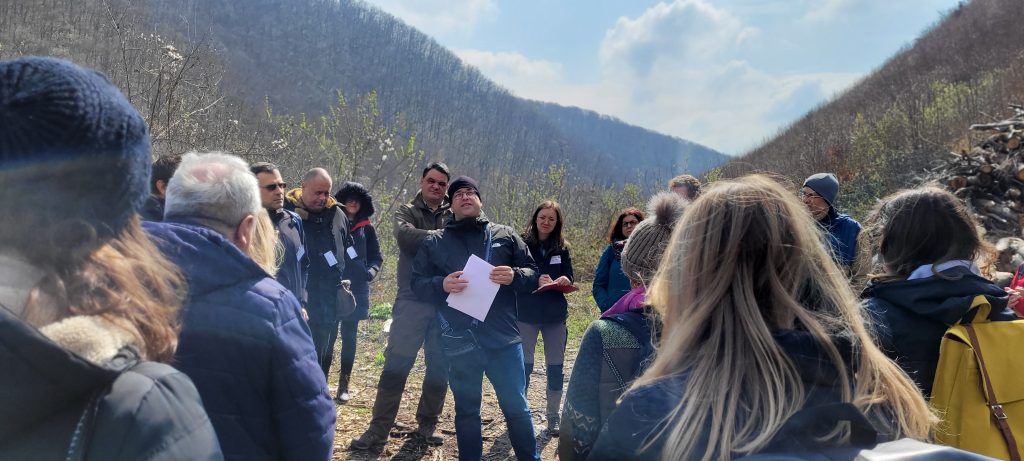
Our final stop at St. Miquel d’Oló Farm brought these ideas together beautifully. Surrounded by vineyards, pasture, and woodland, participants discussed how agricultural and forestry practices can reinforce each other. 

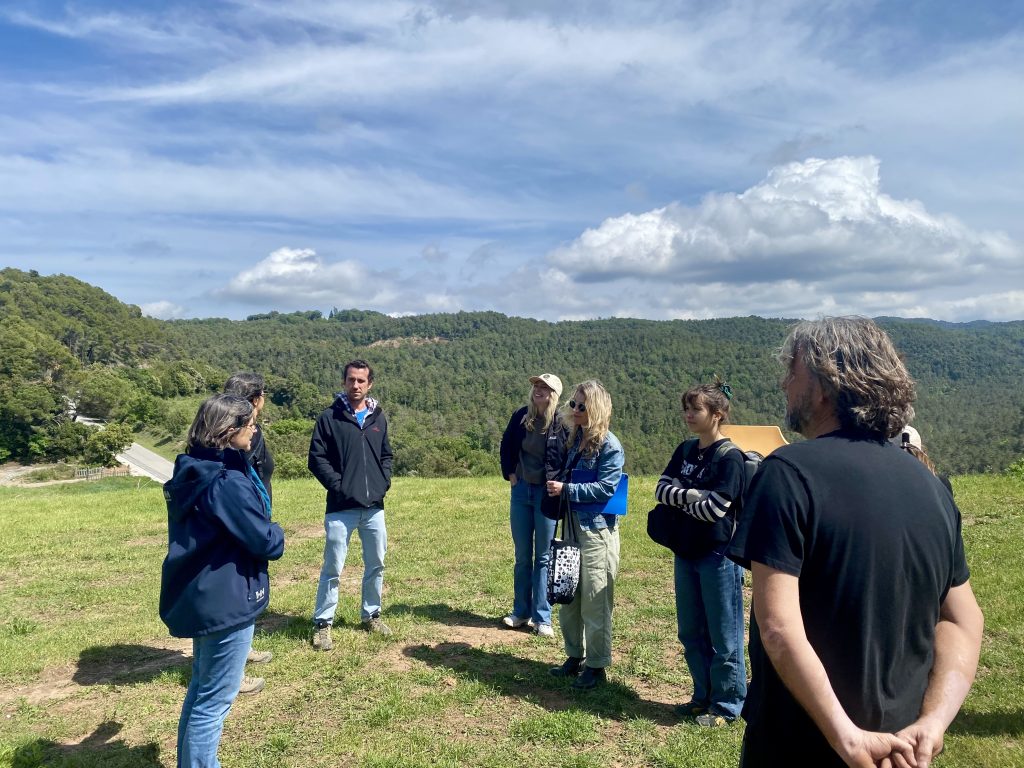
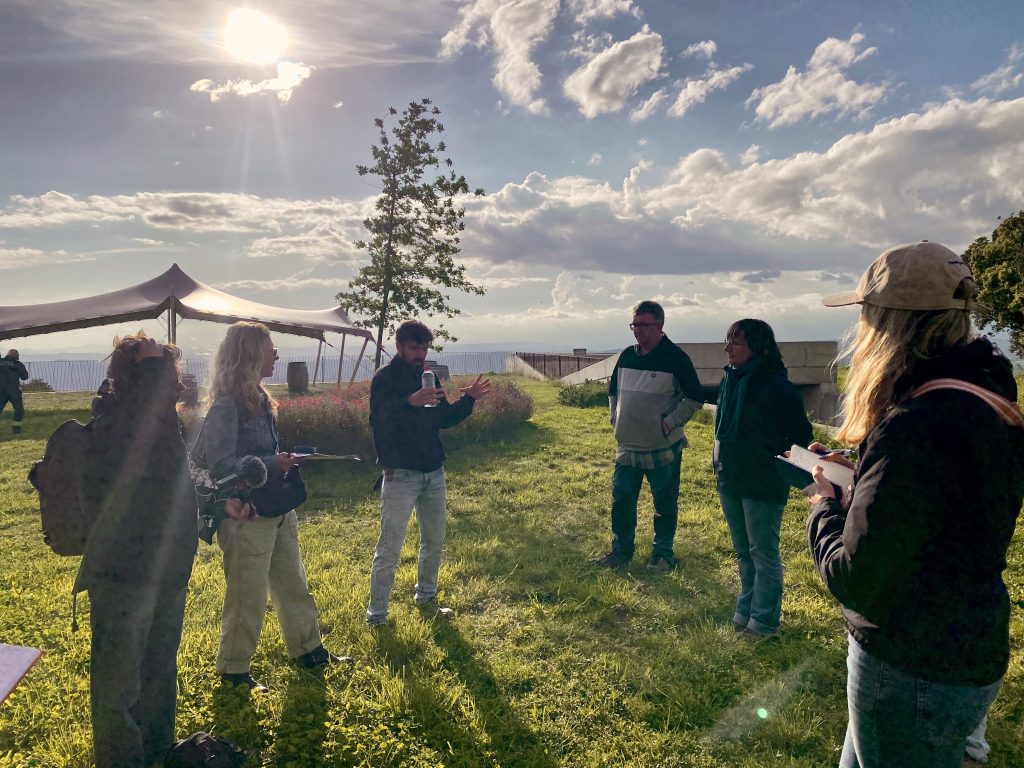
Final stop at St. Miquel d’Oló Farm, discussing the importance of mosaic landscapes for fire management

Asier Larrañaga, sub-inspector of the forest fire brigade and fire analyst, presented new approaches to landscape-level fire prevention, emphasizing the importance of collaboration between forestry and agriculture. Grazing, vineyards, and strategically managed forest areas can all contribute to more fire-resilient landscapes. 

Winegrower Oriol Garriga offered a deeply personal perspective. When he and his family bought the property in 2013, they restored the house and planted vineyards using ecological farming methods. Yet fire risk remains his biggest concern. 

For Oriol Garriga, maintaining people on the land is essential – not only for local economies, but also for socio-ecological resilience. Landscapes become vulnerable when they are abandoned. Producing and consuming local products, he argued, is part of sustaining both communities and ecosystems. 

Oriol Garriga sharing the story behind his farm and why socio-ecological resilience matters

As the day ended and participants gathered overlooking the landscape, one thing became increasingly clear: the future of Mediterranean forests will not be shaped by forestry alone. It will depend on cooperation between scientists, forest owners, conservationists, farmers, businesses, policymakers, and local communities. 

The Moianès Living Lab does not offer simple answers. Instead, it creates space for experimentation, dialogue, and shared learning in a time when climate change is rapidly reshaping what forests need – and what society expects from them. 

Integrative Forest Management indicators in Italian practice magazine

A new contribution in the Italian forestry practice magazine Sheerwood is spotlighting the TRANSFORMIT project’s work as a promising step toward more measurable and integrative forest management. Presented by Silvia Bruschini, the article focuses on the set of 17 key indicators designed by TRANSFORMIT experts to help translate complex ecological processes into practical tools for decision-making.

Indicators play a crucial role in forestry, offering measurable insights into biodiversity, forest resources, and socio-economic benefits. According to the publication, our TRANSFORMIT framework provides both quantitative and qualitative parameters that allow managers to monitor forest conditions, assess the impact of human activities, and guide sustainable practices over time.

Developed through a participatory process, these indicators are scalable from stand to landscape level and aligned with EU policy goals such as the European Green Deal. The article highlights their potential as a valuable reference for forest planning in Italy, offering a shared, science-based foundation for managing increasingly complex forest systems.

Read the article (in Italian) here: Gestione forestale integrata: gli indicatori TRANSFORMIT – Rivistasherwood.it

Diversity in Integrative Forest Management: our Satellite Demonstration Areas

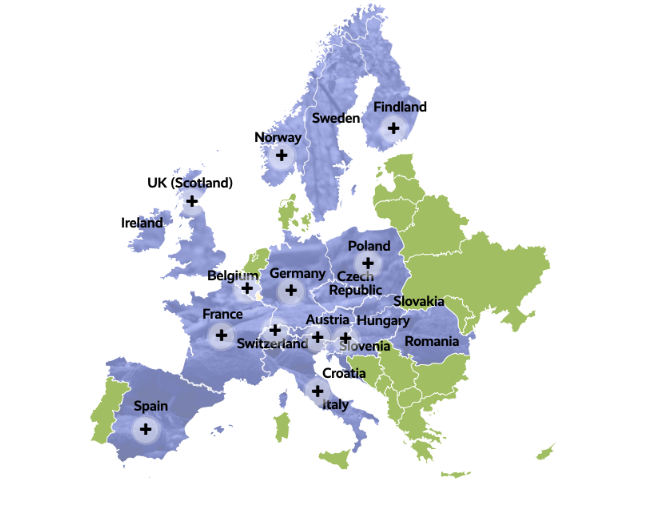
Across Europe, our unique network of TRANSFORMIT Satellite Demonstration Areas (SDAs) is bringing to life the diversity of forests, management traditions, and innovation pathways needed to address climate change. From Mediterranean landscapes to boreal forests and urban green spaces, these selected sites illustrate how locally adapted solutions can contribute to resilient, multifunctional forest systems. The SDAs aim at showcasing several good practice examples of Integrative Forest Management (IFM) across Europe, thus broadening the scope of expertise available and enlarging the IFM Network. These areas are now available on Main – Transformit.

Maps of TRANSFORMIT’s SDAs across Europe.

Close to Nature forest management in action

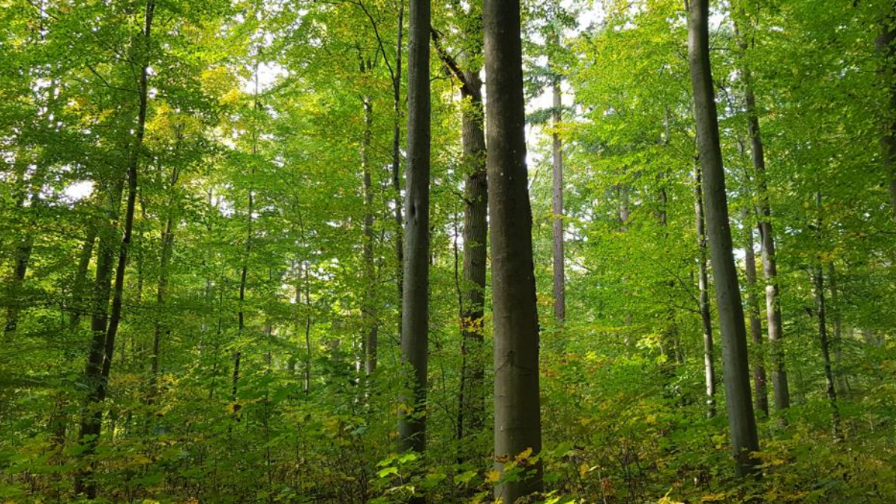
A beech forest in Kalebsberg, Germany.

Several German forest enterprises – including Schütt-Frank and Kalebsberg – demonstrate how close-to-nature forest management can build climate resilience. Their approaches emphasise natural regeneration, soil health, balanced wildlife populations, and stable forest microclimates. Together, they highlight a shift away from rigid management towards adaptive, self-regulating forest systems.

Forests for people: urban and social functions

In highly frequented landscapes such as the Kottenforst (Germany), the Sonian Forest (Belgium), and the City Forest of Baden (Switzerland), forests must balance recreation, biodiversity, and cultural heritage. These SDAs show how integrative management can meet societal expectations while maintaining ecological integrity. Innovative approaches like “ecosponsoring” in Switzerland further demonstrate new forms of collaboration between society and forest stewardship.

Multifunctionality across Europe

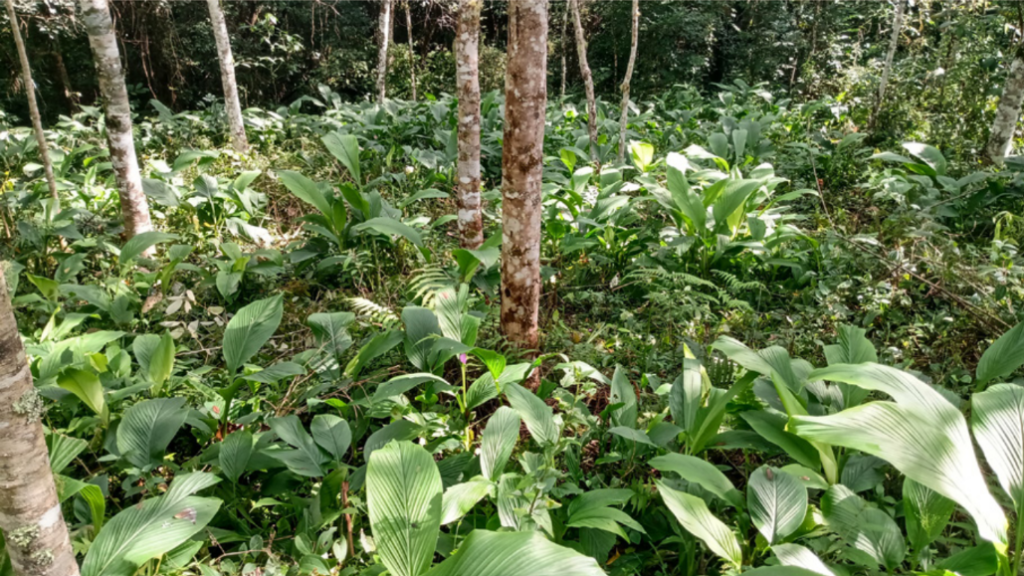
Agroforestry. Tree vegetation has established itself in an abandoned plantation with Turmeric (Curcuma
longa) – Abbey St Bathans UK-Scotland Dobie family, Scotland.

From Scotland’s Abbey St Bathans to Slovenia’s Pahernik Forest and Norway’s Vestland region, forests are managed to deliver multiple ecosystem services. While timber production remains important, these SDAs also support biodiversity, cultural values, and education. In Poland’s Woziwoda Forest District, this balance is captured through the principle of “nature protection through moderate and rational use.”

Mediterranean innovation and adaptation

Our Southern Europe’s demonstration areas highlight innovation under climate pressure. In Spain, forests such as Vall d’en Bas and Ribera Salada explore how to combine biodiversity conservation with high-quality wood production, while others integrate fire as a natural and necessary management component. In Italy and France, sites like Val di Susa, Pratomagno, and Hèches focus on multifunctional forestry – balancing production, protection, and long-term ecosystem resilience in the face of climate change and biodiversity loss.

Forests for research and education

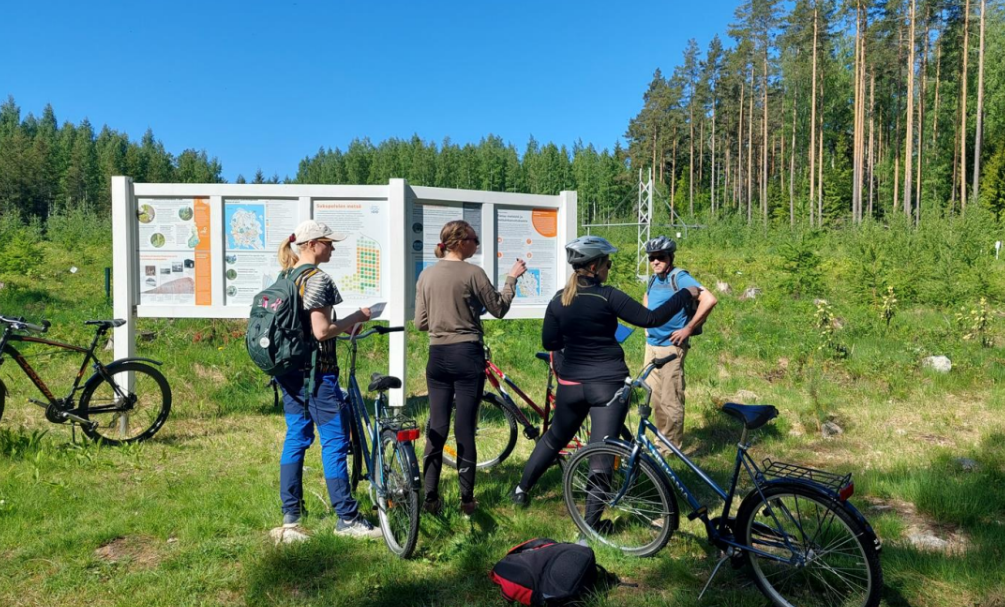
Training/Education at Punkaharju Research Park, Finland.

Some demonstration areas serve as centres for research and education, such as the Punkaharju Research Park in Finland, the University Forest Enterprise in Zvolen, Slovakia, and Universitätsforstamt Sailershausen in Germany. These sites connect science, practice, and society, ensuring that forest management is continuously informed by evidence and innovation.

By connecting these sites, TRANSFORMIT creates a living network of knowledge and practice, demonstrating that there is no single solution to climate and biodiversity-related challenges but many locally grounded pathways that, together, shape a more sustainable future for Europe’s forests.

FORWARDS to boost the Forest Knowledge Gateway

FORWARDS is set to contributing to the future of the TRANSFORMIT-led Forest Knowledge Gateway, bringing in a wealth of scientific insights, practical tools, and policy‑relevant outputs generated across its work packages. With a growing body of content for integration – including scientific papers, and eventually good practice guides, tools and stories – FORWARDS is preparing to make the Gateway an even more powerful hub for forestry practitioners, policymakers, and scientists. This was discussed after a Gateway presentation as part of the FORWARDS project’s annual meeting in Florence.
A key opportunity lies in the project’s diverse digital outputs. These range from interactive applications developed within the ForestWards Observatory (WP5) to modelling tools for disturbances, carbon dynamics, and climate‑smart forestry. The intention to publish good‑practice guidance and multilingual materials directly onto the Gateway will further enhance accessibility and support its role as a European reference point.
FORWARDS’ commitment to sharing scientific publications and storytelling-based lessons learned adds to its value proposition, reinforcing the Gateway as a platform not just for data, but for knowledge exchange, engagement, and narrative‑driven impact.


Strengthening Synergies: TRANSFORMIT & FORWARDS

The collaboration potential between TRANSFORMIT and FORWARDS is emerging as a promising avenue for cross-project enrichment. Both projects emphasise practitioner-oriented engagement and communication, data-driven insights, and innovative digital outputs – making joint dissemination not only strategic, but mutually reinforcing. As FORWARDS moves into a crucial phase of shaping its policy messages, the collaboration with TRANSFORMIT offers a chance to amplify shared lessons, align outreach efforts, and strengthen Europe’s capacity to support climate‑smart and resilient forest management.

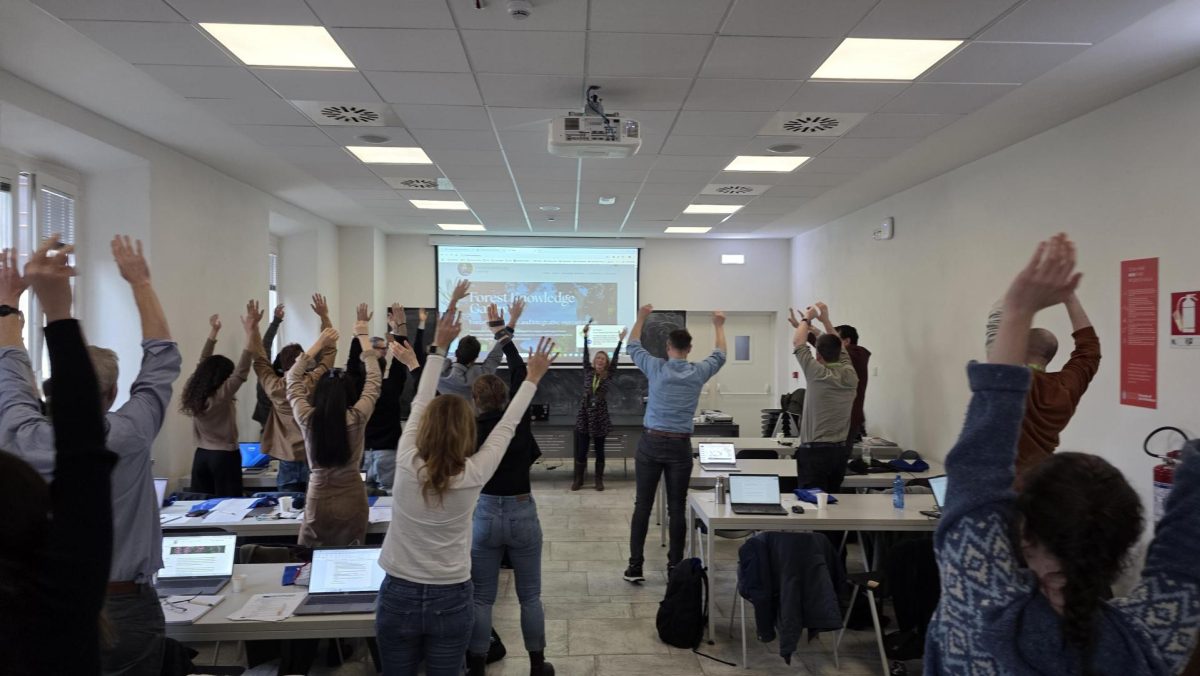
Featured image: performing trees before the Gateway presentation with the FORWARDS Consortium (photo: Katharina Freund)

Beyond timber: how experts envision the future of non-wood forest products

by Gesche Schifferdecker, Jukka Tikkanen, Mikko Kurttila, and Rainer Peltola

When you explore a Finnish forest with experts like Jukka Tikkanen, Mikko Kurttila, and Rainer Peltola, you quickly realise that the forest economy is far richer than timber alone. Between the trees and under the canopy lies a quiet abundance: branches from Spruce trees, sap from birches, mushrooms, resin, berries. And now, more than ever, these non-wood forest products (NWFPs) are gaining attention in forest planning.

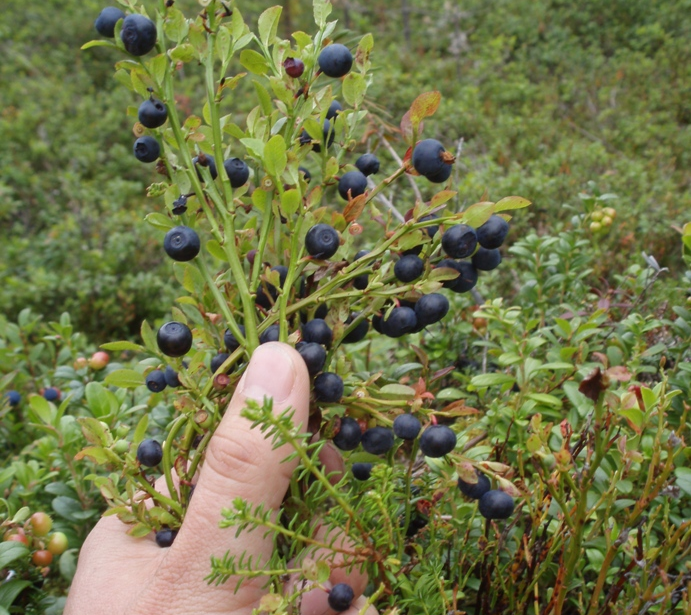
A productive bilberry shrub (photo: Rainer Peltola)
A productive bilberry shrub (photo credit: Rainer Peltola)

“Integration of NWF products into forest planning really depends on the product. If the growing stock data is up-to-date, the best production estimates come from products collected from trees – spruce shoots, resin, sap, birch leaves”, says Jukka Tikkanen, Research Director at University of Eastern Finland. Digital tools like Finland’s Metsään.fi would like to allow landowners to explore these potentials alongside timber data: an inclusion of NWTPs was technically piloted, but is not mainstreamed yet.

However, for berries and mushrooms, Jukka stresses the need for fieldwork: “General berry and mushroom estimates give a good idea, but business calculations need field investigations.”

Over the past years, his team has piloted natural product-oriented forest planning, which is a hands-on process combining terrain assessment with dialogue between the planner and landowner. “It’s meant to help landowners explore NWFPs as a complementary business. Timber doesn’t have to be the whole story”, emphasizes Jukka.

What a forest can offer: business planning

For Mikko Kurttila from Natural Resources Institute Finland (LUKE), the first step for forest owners is simple but often overlooked: “Owners need to consider what their forest properties can produce. Some may have birch suited for sap production. Others have young spruce stands perfect for collecting shoots in spring, or branches for the Christmas season. Older pines or spruces can offer resin.” He also stresses the limits set by Everyone’s Rights: “In general, owners should focus on NWFPs that are outside everyone’s rights. In Finland, this normally excludes berries and most mushrooms.”

Some forest owners have explored alternative ventures – like cultivating medicinal mushrooms. “People are curious about cultivating pakuri, but infecting substrates is expensive, and you must wait about ten years – I think that’s very risky”, says Mikko. For him, realistic business planning is essential: “Owners need proper calculation – labour, external services, opportunity costs, and expected revenue flows with different future prices and yields. The challenge is that advisors for this don’t really exist. Timber services do, but NWFP services don’t.”

The forest’s hidden harvest

While Jukka and Mikko focus on planning and business, Rainer Peltola (LUKE) has spent over a decade improving our understanding of NWFP production, especially berries.

“For more than ten years, berry yield forecasts have used a partial citizen-science concept. We’ve made progress in collecting observations, and data quality has steadily improved”, explains Rainer. The biggest breakthrough came when weather data was integrated into the forecasting system: “The single biggest step forward has been combining weather data with berry observations – modelling the weather phenomena that influence yields. We now have models predicting pollination success and ripening of bilberries, lingonberries, and cloudberries.”

These models feed into Luke’s berry map service, where users can explore forecasts like pollination success for bilberry in 2025 on a 5×5 km grid. “We hope this helps pickers and berry companies plan their operations – guiding pickers and planning logistics”, summarizes Rainer.

A more diverse forest future

Taken together, the insights from Jukka, Mikko, and Rainer paint a clear picture: forests hold tremendous and partly untapped value – but only if we know how to read it, measure it, and plan for it. As Jukka concludes: “Fully integrating timber and non-wood forest products would make forestry more sustainable – and our landscapes richer.”

And perhaps that is the shift underway: a forest economy increasingly rooted in everything the forest quietly offers – season after season, year after year.

New study highlights shift towards participatory forest policy and conservation in Europe

A comprehensive new study Integrating nature and people in European forest management: what is the state of nature conservation and role of participation? spanning twelve European countries reveals a significant shift in forest management: societal demands are increasingly favoring conservation and participatory policymaking. The research was conducted by TRANSFORMIT researchers Agata Konczal and Georg Winkel (both University of Wageningen) together with scientists from all over Europe. The work combined natural and social science perspectives, and explored how integrating nature conservation into forest management is becoming the dominant approach across Europe.

The study found that European countries are dedicating more forest areas to conservation, while also carefully managing how much wood is harvested compared to how much the forest grows. This shows a thoughtful approach to balancing the use of forest resources with protecting nature. Additionally, forest policies are paying much more attention to conservation issues than before.

However, the relationship between public participation in policy development and the integration of conservation measures is complex. While participatory decision-making is on the rise, its direct impact on conservation outcomes varies across regions.

The authors call for further research to better understand these dynamics and to support the ongoing evolution of forest management practices. This study offers valuable insights for policymakers, forest managers, and communities aiming to harmonize ecological, economic, and social goals in Europe’s forests.

Full reference: Konczal, A.A.; De Koning, J.H.C.; Larsen, J.B.; Felton, A.; Lawrence, A.; Ammer, CH.; Angelstam, P.; De Arano, I.Martinez; Bjärstig, T.; Blondet, M.; Calviño-Cancela, M.; De Vreese, R.; Dolriis, C.; Jaroszewicz, B.; Johansson, J.; Lexer, M.J.; Nichiforel, L.; Niedziakowski, K.; Paillet, Y.; Rozylowicz, L.; Sotirov, M.; Stokes, V.; Thorsen, B. Jellesmark; Vandekerkhove, K.; Wallin, I.; Weiss, G.; Schulz, T.; Wohlgemuth, T.; Zlatanov, T.; Winkel, G. (2025): Integrating nature and people in European forest management: what is the state of nature conservation and role of participation? International Forestry Review. https://doi.org/10.1505/146554825840319564

TRANSFORMIT project and stakeholder meeting in Prague: advancing IFM through dialogue and practice

From 22–24 September 2025, our 2nd TRANSFORMIT project meeting brought together experts from research, forestry practice and stakeholder organisations across Europe and China at the Czech University of Life Sciences in Prague. The gathering highlighted the project’s collaborative spirit: to exchange knowledge, test tools in practice, and explore new pathways for Integrative Forest Management.

The meeting opened with an excursion to the Samechov Living Lab, where participants experienced ecological forestry tools in action. Mixed-species stands, biodiversity hotspots, and innovative management practices provided a hands-on learning environment. Icebreaker activities and field discussions encouraged open dialogue, allowing participants to connect local challenges with broader European and international perspectives.

The following days featured interactive workshops and group sessions on decision-support tools, stakeholder engagement, and communication strategies. These dynamic exchanges shed light on practical solutions for biodiversity conservation, climate resilience, and sustainable forestry practices.

The Prague meeting reinforced the importance of international collaboration in addressing today’s forest challenges. By bringing together such diverse expertise and perspectives, TRANSFORMIT continues to build a strong foundation for more resilient and multifunctional forests.

👉 A detailed blog post with key insights and outcomes will follow soon – stay tuned!

“Deadwood is for the bugs”

How Zagreb’s urban and protected woodlands inspire the future of forest management

Blog post by: By Gesche Schifferdecker, Silvester Boonen, Marija Majnarić, Martina Kičić

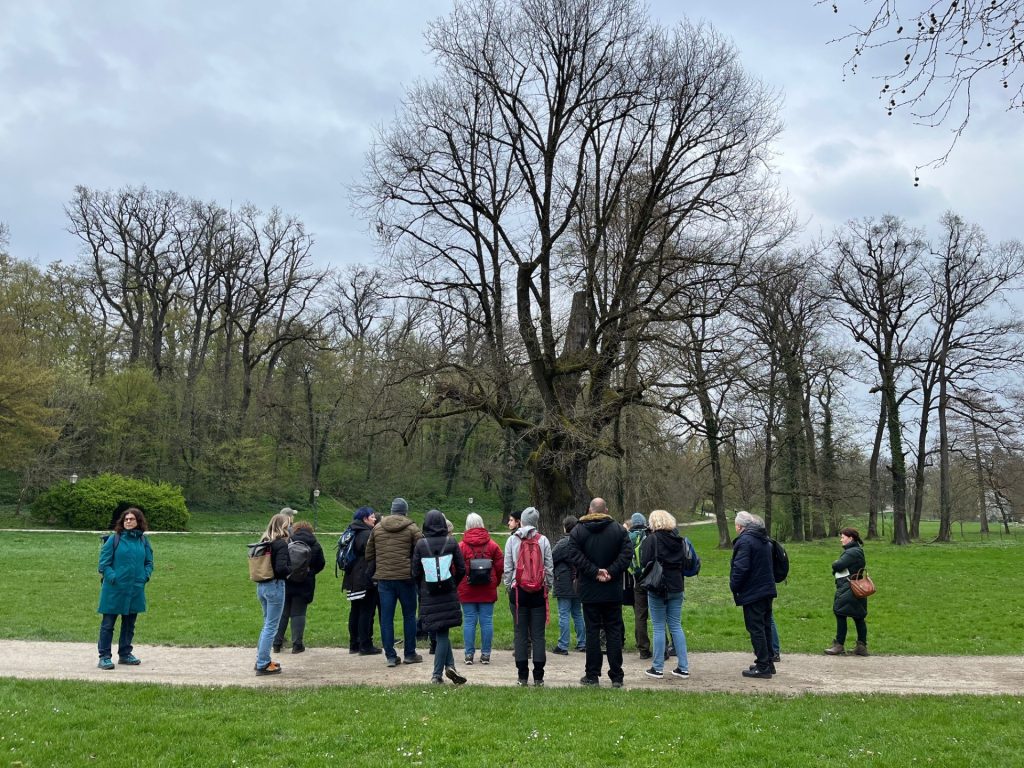
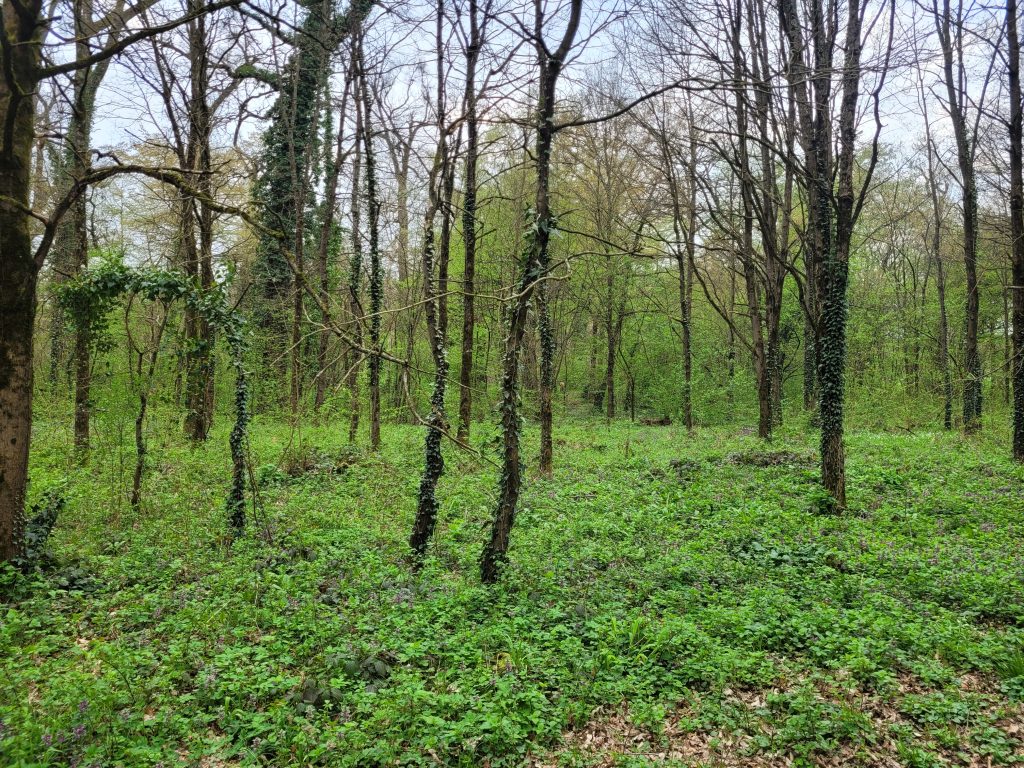
Nestled between city streets and hiking trails, Zagreb’s forests are more than pockets of green – they are living laboratories where tradition, innovation, and public interest meet. From dense urban groves to protected parklands, a recent field visit to our TRANSFORMIT Zagreb Living Lab offered a glimpse into how foresters and scientists are tackling the complex challenges of regeneration after disturbances, biodiversity protection, forest monitoring via innovative technology, and community engagement in today’s evolving landscapes. 

Over the course of the program, participants toured the urban forests of Tuškanac, Zelengaj, Dotrščina, and Maksimir, as well as the management unit “Sljeme-Medvedgrad Forests” in Medvednica Nature Park. Though different in setting and scale, each site told a compelling story of challenges faced with climate, forest management goals and diverse interest groups – and together, they revealed how local approaches can contribute to global solutions for forests and people, particularly in urban areas. 

City Roots: Regeneration Amid the Urban Pulse 

The journey began in the heart of Zagreb, where centuries-old forests like Tuškanac and Zelengaj weave quietly through the city center. Here, the challenge is twofold: restoring damaged ecosystems while earning – and maintaining – the trust of a sceptical public. 

At the forest’s edge, participants were welcomed by experts from Croatian Forests Ltd. and the City of Zagreb. Their story? A long, careful process of reforesting areas hit by storm damage and tree aging, all while involving local communities in each step. “This isn’t just about trees,” said one representative. “It’s about people’s perception of trees – what they mean in an urban context.” 

That sentiment was especially clear at Krležin Gvozd, where regeneration efforts began 15 years ago. Foresters didn’t just plant new life – they worked hand-in-hand with residents, addressing concerns and dismantling the common fear that tree cutting signals the start of construction work. Through transparent communication and tailored silvicultural techniques, they turned scepticism into stewardship. 

Windthrown but Not Forgotten: Lessons from Medvednica 

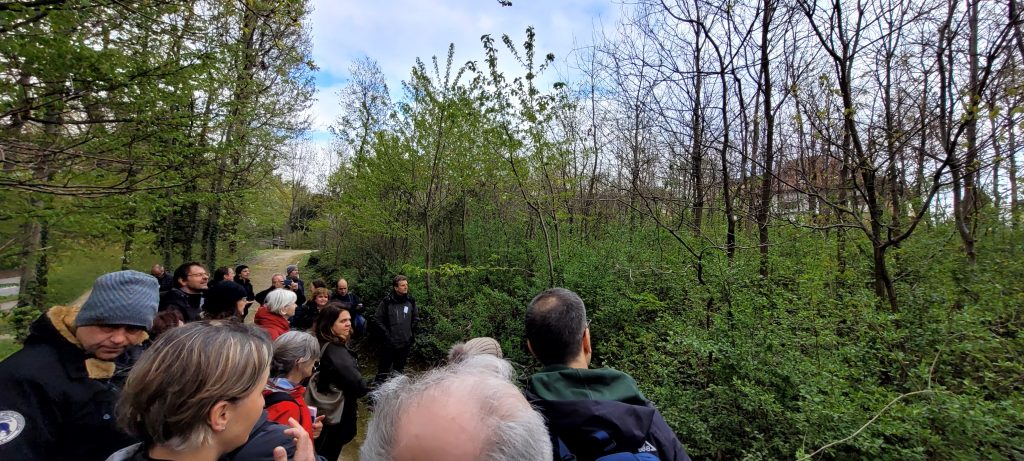
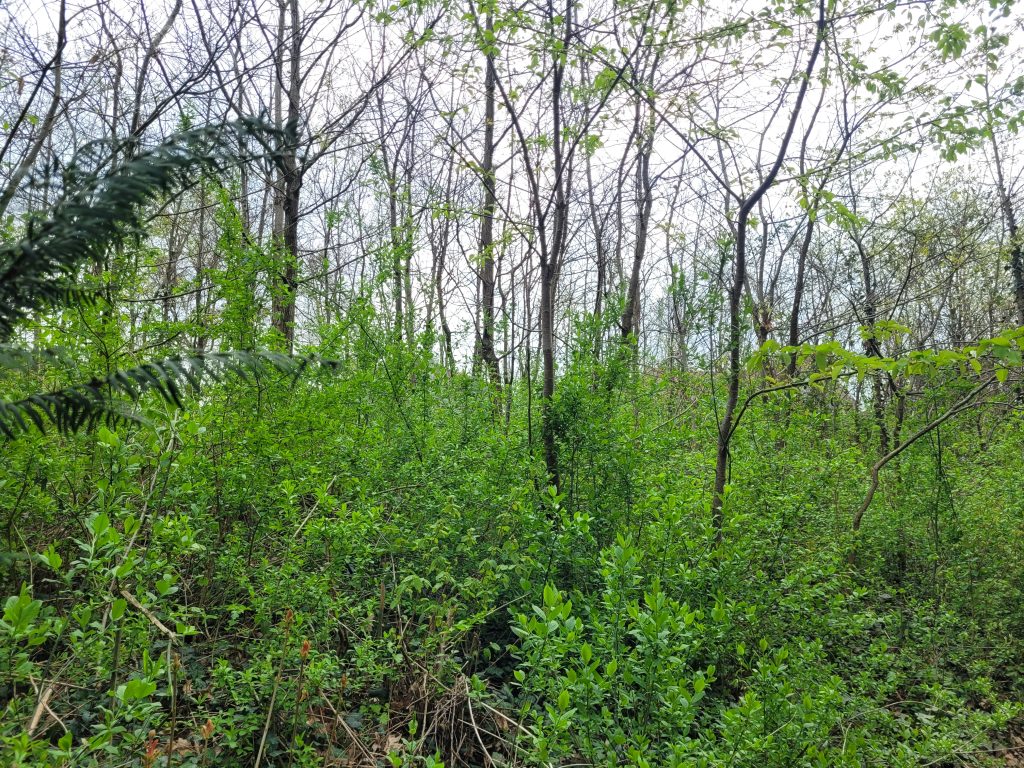
Up the slopes of Medvednica Nature Park, another story unfolded—one of destruction and renewal. In 2013, fierce winds tore through this protected area, uprooting trees and unsettling the local ecosystem. But the forest fought back. Today, thanks to strategic management by Croatian Forests Ltd. and the Public Institution Medvednica Nature Park, large swaths of forest are regenerating naturally. 

This regeneration, however, isn’t without controversy. In Natura 2000 areas, any forest management plan – including harvesting – requires approval from nature conservation authorities. This regulatory oversight, while critical for biodiversity, has also led to delays and uncertainty, especially in post-disturbance situations. 

Natural regeneration on steep slopes, often dominated by beech, raised concerns among excursion participants about how these forests will cope under mounting climate stress. For now, local managers are choosing to observe and monitor rather than intervene prematurely – hoping that they are still seeking the best adaptive management strategies in an increasingly unpredictable environment. 

Participants hiked through these recovering zones, guided by experts like Martina Belović Kelemen and Hrvoje Brnica, who shared how Integrated Forest Management (IFM) is being applied in protected, heavily visited areas. With over a million visitors each year, Medvednica faces the dual challenge of ecological preservation and public use. 

Digital Forests: Technology in the Trees 

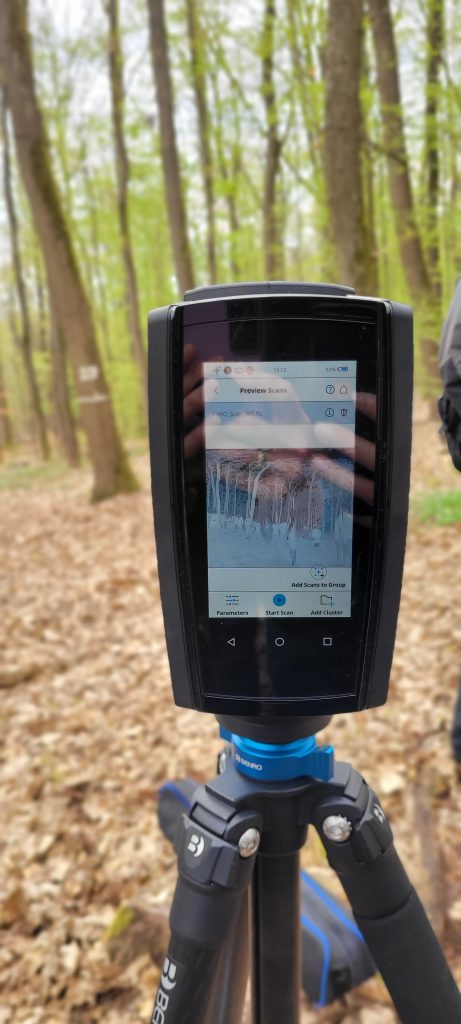
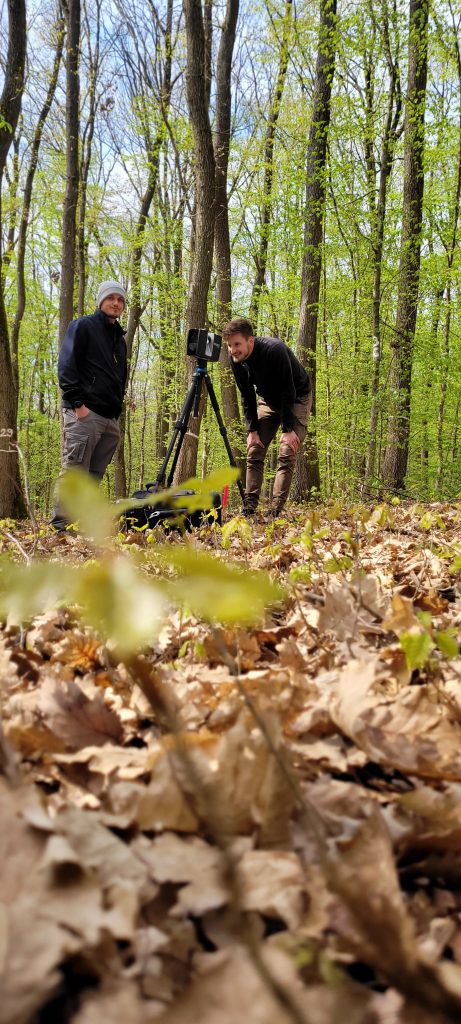
The next stop was Dotrščina Urban Forest, where tradition met technology. Here, scientists from the Croatian Forest Research Institute unveiled how Terrestrial Laser Scanning (TLS) is reshaping forest management. Two types of TLS are currently in use: a static laser scanner with a 150-meter range that performs a full 360-degree sweep over a set period (often up to two hours), and a second, mobile handheld scanner used to complement this data. 

Using both handheld and stationary devices, researchers generated 3D “point clouds” of the forest, capturing data on tree structure and density with remarkable precision. Dr. Ivan Balenović and his team explained how this data can inform decisions about thinning, planting, and recreation management. The forest, heavily used by locals for leisure, must balance ecological needs with human enjoyment. Thanks to decades of financial support from the City of Zagreb and implementation by Croatian Forests Ltd., such harmony is not only possible – it’s thriving. 

Maksimir Park: Deadwood is for the bugs 

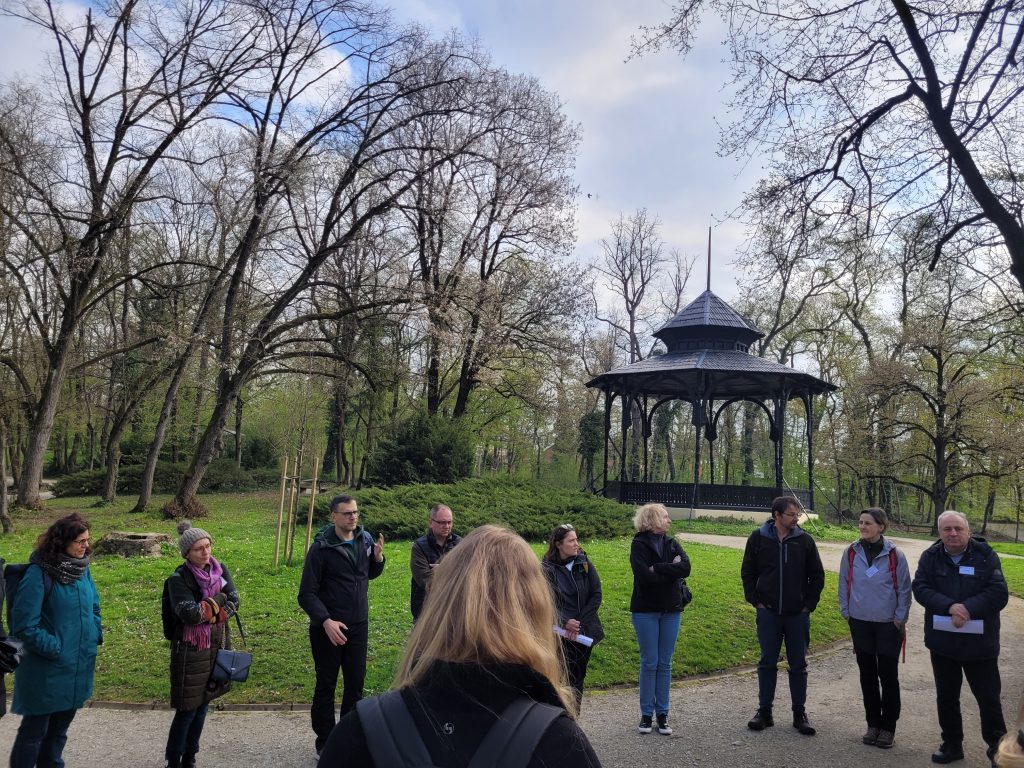
The final chapter of the field visit unfolded in Maksimir Park, Zagreb’s most beloved green space and a cultural and natural heritage site. Though not formally part of the Living Lab, its inclusion underscored an essential lesson: successful forest management is as much about communication as it is about conservation. 

Here, Irina Zupan from the Public Institution Nature of the City of Zagreb and Ante Pejić from the Working Unit Urban Forestry of Croatian Forests Ltd. shared the complexities of managing a park visited by thousands daily. The focus? How to bridge the gap between forestry and nature protection through open dialogue and shared goals. 

The park’s management emphasizes collaboration between nature conservation authorities and Croatian Forests to balance a trio of goals: cultural heritage preservation, biodiversity conservation, visitor safety, and climate change adaptation: after a major windstorm some years ago, forest restoration included planting nursery-grown trees – some sourced from abroad – to ensure genetic diversity and resilience. 

Biodiversity remains a hallmark of Maksimir. With over 1,000 recorded species, including rare woodpeckers, the park is home to some of the city’s oldest known trees – for example a 250-year-old Quercus robur, confirmed by counting its rings. Nearby, the legendary “Grandpa Tree,” believed to be around 600 years old, stands as a living monument to resilience. 

As emphasized by Irina Zupan, biodiversity protection also requires an ongoing dialogue between forest and nature conservation – exemplarily shown around the issue of deadwood. With a smile on her face, she mentioned that forest managers call the people in charge of nature conservation “bugs” – with a bit of irony of course, because they sometimes feel bothered by their requests. However, through an ongoing exchange and increased collaboration there is a broad awareness of the advantages of both standing and lying deadwood for a rich biodiversity in the forests. That’s why current forest managers like Ante Pejić promote leaving deadwood in the forest, with the comment “deadwood is for the bugs”.  

Despite the good collaboration in terms of forest and nature protection management, modern challenges persist. Invasive turtles, likely released by citizens, have begun to disrupt aquatic habitats along the lakeside, while a resident beaver has made its home in the fifth lake – welcomed as a beneficial part of the forest ecosystem. 

A Forest Future Forged in Partnership 

From the quiet trails of Tuškanac to the lively paths of Maksimir, the Zagreb Living Lab is more than a series of sites – it’s a blueprint for sustainable, people-centered forest management. The common thread across all locations was clear: community matters. Whether through clear communication, participatory planning, or cutting-edge research, the forests of Zagreb are showing that resilience grows stronger when it’s rooted in collaboration. 

As the day’s journey came to a close, one thing remained certain: managing forests in the 21st century means more than managing trees. It means listening – both to nature, and to the people who live alongside it. 

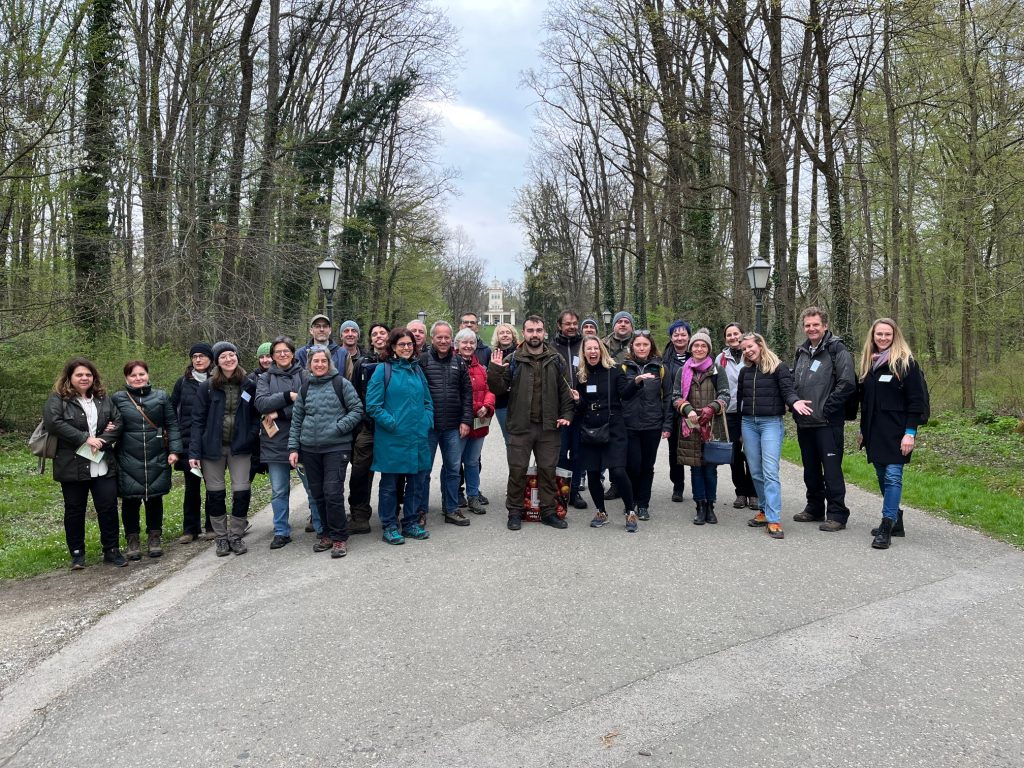
Group picture of 28 people standing in a park-like area of the urban Zagreb Forest, Maksimir Park

Photo credits: Photos by Katharina Freund, Gesche Schifferdecker & Silvester Boonen